Understanding Digital Gate Pass Systems in Residential Communities
By MyKutir Editorial Team — 2026-08-12
Explore how digital gate pass systems enhance security and streamline visitor management in residential communities.
Managing security in residential communities has always been a challenging endeavor. Traditionally, societies have relied on manual processes, such as physical registers and intercoms, to track visitor entries and exits. However, these methods often fall short due to human error, inefficiency, and the sheer volume of entries and exits, especially in larger societies. Enter digital gate pass systems: a modern solution designed to enhance security and streamline visitor management.
Digital gate pass systems utilize technology to automate the visitor management process. They provide a more organized way to register visitors, generate passes, and track entries and exits in real-time. For residents, this means less hassle and a greater sense of security. For the management, it reduces administrative workload and ensures accurate tracking and reporting. With the increasing demand for improved security measures, digital gate pass systems have become essential tools for housing societies looking to modernize their security protocols.
Introduction to Digital Gate Pass Systems
Digital gate pass systems represent a significant advancement in the way residential communities manage security and visitor access. These systems replace traditional methods, offering a streamlined, efficient way to manage visitor entries with a focus on enhancing overall security. But what exactly drives the need for such systems in today's residential communities?
Traditional visitor management involved manual entry logs maintained by security personnel at the gate. This method, while straightforward, is fraught with several challenges. These include the potential for human error, the inconvenience of manual data logging, and the inefficiency of searching through paper-based logs to retrieve visitor information. Additionally, manual systems lack real-time data analytics, which are essential for immediate decision-making in emergency situations.
Considering these limitations, the move towards digital solutions is not just a trend but a necessity. Digital gate pass systems eliminate the need for cumbersome paperwork and offer real-time digital records of who is entering and exiting the community. These systems can quickly validate a visitor's identity through pre-registered details, thereby speeding up the entry process and ensuring accurate data collection. Furthermore, they provide a layer of security by ensuring that only authorized visitors are granted access, thereby significantly reducing the risk of unauthorized entries.
In modern urban societies, where security concerns are paramount, digital gate pass systems offer a compelling solution. They automate the visitor management process, minimize human intervention, and provide a seamless experience for both residents and visitors. This transition from traditional to digital is not just about convenience but also about making communities safer and more efficient places to live.
How Digital Gate Pass Systems Work
The functionality of digital gate pass systems revolves around the integration of technology to manage visitor access seamlessly. These systems typically consist of several key components, including visitor registration, pass generation, and real-time tracking. Together, these elements work to ensure that the entry and exit processes are both secure and efficient.
The first step in the process is visitor registration. Unlike manual systems, where visitors are required to sign a logbook, digital systems allow for pre-registration through an app or web portal. This can be done by the resident who is expecting the visitor or by the visitor themselves. During registration, relevant details such as the visitor's name, contact information, and the purpose of visit are captured. This information is stored securely and can be accessed by security personnel at the gate.
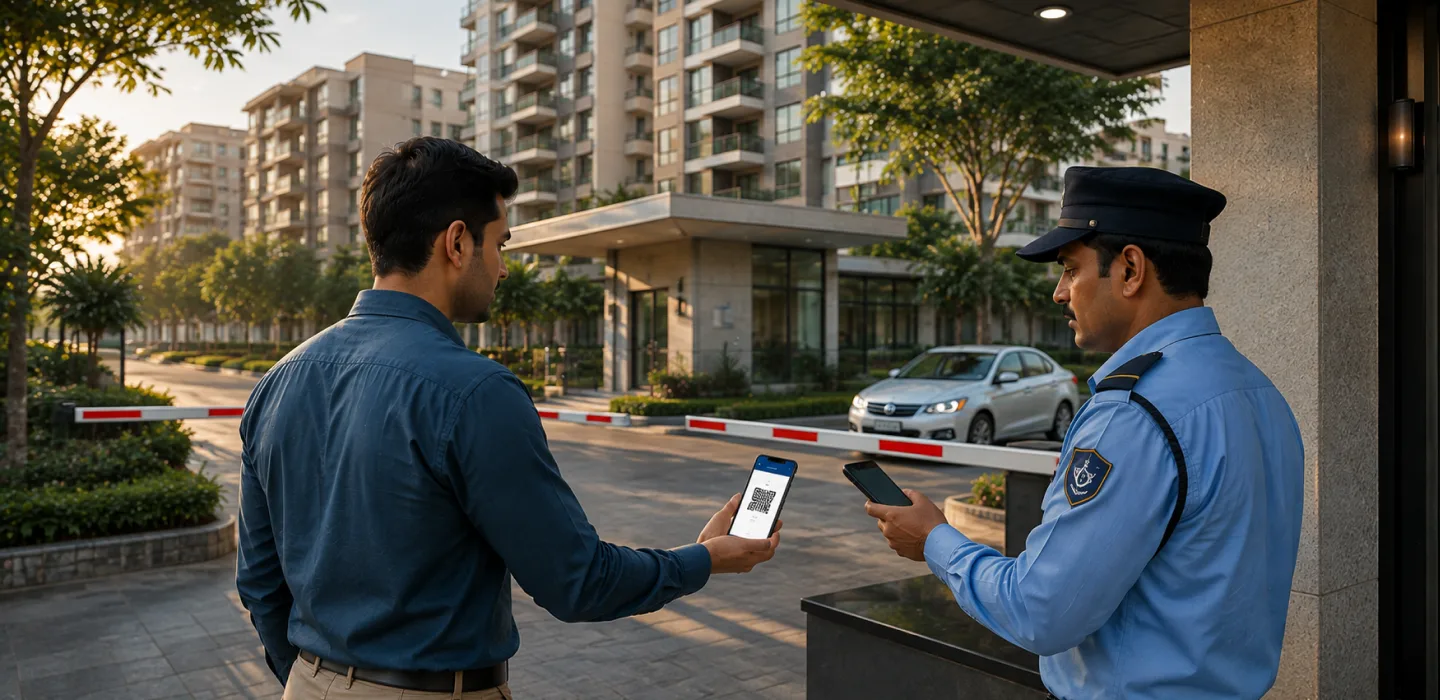
Once registered, a digital pass is generated. This pass can take the form of a QR code or a digital ID that the visitor presents upon arrival. The security personnel scan this ID using a handheld device or integrated scanner at the gate. Upon verification, the system automatically logs the entry, allowing the visitor to proceed without unnecessary delays. This method significantly reduces waiting times and human error, contributing to a smoother entry process.
Real-time tracking is another crucial feature of digital gate pass systems. Integrated with platforms like MyKutir, these systems provide route-specific tracking capabilities, allowing security teams to monitor visitor movements throughout the community in real-time. For example, through the /visitor-management route, authorized personnel can view active visitor logs and their corresponding details, enhancing the responsiveness to any security concerns that may arise.
Overall, the integration of digital gate pass systems transforms visitor management from a manual, error-prone process into an automated, reliable system. The ability to register visitors digitally, generate and scan passes, and track movements in real-time provides substantial benefits in terms of security and operational efficiency.
Benefits of Implementing Digital Gate Pass Systems
Implementing digital gate pass systems in residential communities offers numerous advantages over traditional manual processes. The shift from paper-based logs to digital systems brings about improved security, enhanced convenience for residents, and streamlined operations for management. Let's explore these benefits in more detail.
First and foremost, digital gate pass systems enhance security. By using pre-registered visitor information, these systems can quickly verify identities and ensure that only authorized individuals gain entry. This reduces the risk of unauthorized access and provides residents with greater peace of mind. Additionally, real-time tracking allows security personnel to respond rapidly to any potential security threats, further bolstering safety within the community.
Beyond security, digital systems also offer significant convenience for residents. With digital pre-registration, residents can easily notify security staff of expected visitors, eliminating the need for cumbersome entry logs and lengthy verification processes at the gate. This saves time for both the residents and their guests, creating a more welcoming experience for all.
For community managers, the transition to digital gate pass systems simplifies the administrative burden associated with visitor management. With digital logs, the need for physical storage and management of paper records is eliminated, and the ability to generate comprehensive reports on visitor patterns and trends becomes much easier. This data-driven approach not only improves operational efficiency but also provides valuable insights for future security planning.
Real-world examples further highlight the efficacy of digital systems. In communities where digital gate pass systems have been implemented, residents report faster entry times and increased satisfaction with security measures. Security teams also benefit from the ability to quickly access visitor data, enabling them to make informed decisions in emergencies or other critical situations.
In sum, digital gate pass systems represent a significant upgrade over traditional methods, offering enhanced security, convenience, and operational efficiency. As residential communities continue to prioritize safety and user experience, the adoption of digital systems will likely continue to grow.
Scenario: A Day in the Life with a Digital Gate Pass System
Imagine a typical day in a residential community that has implemented a digital gate pass system. We'll follow the journey of Mr. Sharma, who is expecting a visitor, his friend Mr. Verma, to experience how these systems facilitate a smooth and secure visitor management process.
Mr. Sharma starts his day by opening the community's designated app on his smartphone. Through the app, he navigates to the visitor management section and registers Mr. Verma's visit. This involves entering basic details such as Mr. Verma's name, contact number, and expected arrival time. Upon submission, a digital gate pass in the form of a QR code is generated for Mr. Verma.
Mr. Verma receives this QR code on his phone via email or SMS, making it easily accessible when he arrives at the community gate. As Mr. Verma approaches the community, he presents the digital gate pass to the security personnel, who scan the QR code with a handheld device. This swift action verifies Mr. Verma's entry, logs the visit in the system, and grants him access, all in a matter of seconds.
Inside the community, Mr. Sharma receives a notification confirming his friend's arrival, along with the entry time. This real-time update reassures him and enables him to prepare for Mr. Verma's visit without any guesswork. Throughout Mr. Verma's stay, the digital system continuously tracks his presence, ensuring an added layer of security and accountability.
Post-visit, as Mr. Verma exits the community, the security personnel scan the same QR code, marking his departure. The community's system updates automatically, concluding the visit log without needing any manual entries. Mr. Sharma also receives another notification confirming his friend's successful exit.
This illustrative scenario highlights the convenience, speed, and reliability of digital gate pass systems. By automating the visitor management process, these systems reduce manual workload, enhance security, and provide a seamless experience for residents and visitors alike. In essence, the transition to digital systems turns what used to be a cumbersome, manual task into a streamlined, user-friendly process.
Common Pitfalls to Avoid
While the transition to digital gate pass systems offers numerous benefits, implementing these systems is not without its challenges. Recognizing and avoiding common pitfalls can ensure a smoother transition and more effective operation. Here are some common mistakes societies often encounter and tips on how to avoid them.
One frequent pitfall is inadequate training for users, both residents and security personnel. Without proper training, users may struggle to navigate the digital system, leading to frustration and potential underutilization. To avoid this, societies should invest time in conducting comprehensive training sessions. These can be in-person workshops, video tutorials, or step-by-step guides that help users understand the system's features and functionalities.
Another common issue is a lack of integration with existing systems. If the digital gate pass system does not integrate smoothly with the society's current software or platforms like MyKutir, it can result in data silos and inefficiencies. Before implementation, ensure that the digital system is compatible with existing infrastructure and perform thorough testing to address any technical issues.
Data privacy and security concerns are also pitfalls that must be addressed upfront. Ensure that all data collected through the digital system is securely stored and complies with privacy laws. Implement robust security measures such as encryption and access controls to protect sensitive information from unauthorized access.
Societies often underestimate the importance of feedback during the initial implementation phase. Failing to gather and act on user feedback can lead to dissatisfaction and hamper adoption rates. Encourage residents and security personnel to provide feedback on their experiences with the system and use this information to make necessary adjustments and improvements.
Lastly, societies may encounter resistance to change from residents who are accustomed to manual systems. Address this by communicating the benefits of digital systems clearly and concisely. Highlight the enhanced security, convenience, and efficiency that the new system offers, and provide support to those who may need extra assistance during the transition period.
Digital vs. Manual: A Comparison Table
To better understand the distinctions between digital gate pass systems and traditional manual processes, let's examine the two approaches in a comparison table. This highlights the key differences in efficiency, cost, security, and user experience.
| Aspect | Digital Gate Pass Systems | Manual Processes |
|---|---|---|
| Efficiency | Automated verification and real-time tracking reduce wait times and eliminate manual data entry errors. | Prone to human error with paper logs; time-consuming data retrieval. |
| Cost | Initial setup costs are balanced by reduced operational expenses over time. | Lower initial costs but higher long-term labor expenses for manual logging and storage. |
| Security | Enhanced security with pre-registration, digital pass verification, and continuous tracking. | Limited to basic identity checks, with potential for unauthorized access. |
| User Experience | Seamless, convenient process for residents and visitors with digital notifications. | Manual logs lead to delays and frustration for visitors and residents. |
From the table, it's clear that digital gate pass systems outperform manual processes in several critical areas. The automation and integration capabilities of digital systems enhance security and provide a vastly improved user experience. In contrast, manual methods lag behind, particularly in terms of efficiency and data management. While digital systems may require a higher initial investment, their long-term benefits make them a worthwhile upgrade for residential communities committed to enhancing their security protocols.
Implementing a Digital Gate Pass System: Step-by-Step
Transitioning to a digital gate pass system can be a complex process, but with a clear roadmap, it becomes manageable and rewarding. Here is a step-by-step guide to implementing a digital gate pass system in a residential community:
- Assessment: Begin by evaluating the current visitor management system and identifying its shortcomings. Engage with residents and security personnel to gather insights on existing challenges and areas for improvement.
- Define Requirements: Clearly outline the specific requirements for the digital system, such as the need for real-time tracking, integration capabilities, and data privacy measures. Consider scalability to accommodate future growth or additional functionality.
- Select a Vendor: Research and select a vendor that offers solutions aligning with your requirements. Ensure the vendor provides reliable support, regular updates, and customization options. Platforms like MyKutir offer comprehensive solutions that can be integrated smoothly.
- Plan Implementation: Work with the vendor to develop an implementation plan, including timelines, key milestones, and resource allocation. Establish a project team comprising society members and vendor representatives to oversee the process.
- Setup and Integration: Install and configure the digital gate pass system. Ensure integration with existing systems, such as security cameras or society management software, for seamless operation.
- User Training: Conduct comprehensive training sessions for residents, security personnel, and administrative staff. Ensure everyone understands how to use the system effectively and address any questions or concerns.
- Launch and Monitor: Go live with the digital system and closely monitor its performance. Collect feedback from users to identify any issues or areas for improvement. Maintain communication with the vendor for ongoing support and updates.
- Review and Optimize: After a few months of operation, review the system's performance against initial objectives. Use feedback and performance data to make necessary adjustments and optimizations for ongoing improvements.
By following these steps, residential communities can implement a digital gate pass system effectively, ensuring a smoother transition and reaping the multiple benefits these systems offer. With careful planning and execution, the digital system can become a vital component of the community's security infrastructure.
Addressing Privacy and Compliance Concerns
Implementing digital gate pass systems comes with privacy and legal compliance considerations that communities must address to protect residents' data and adhere to regulatory requirements. Here, we discuss key privacy issues and compliance measures, offering general guidance while advising consulting legal experts for specific advice.
One primary concern is the collection and storage of personal data. Digital gate pass systems often require visitors to provide information such as names, contact numbers, and identification details. It's crucial to ensure that the data collected is limited to what is necessary and stored securely. Implement data encryption and robust access controls to protect against unauthorized access and potential data breaches.
Compliance with privacy laws is another critical aspect. In India, the Personal Data Protection Bill outlines how personal data should be handled. Although the bill is still pending, communities should stay informed about its provisions and prepare to align their systems with these guidelines. For instance, ensuring that residents and visitors are informed about how their data will be used and obtaining their consent is a good practice to adopt.
Additionally, some state-specific laws and regulations may apply to data handling and visitor management in housing societies. It's advisable to consult with legal experts or your society's registrar to understand the specific compliance requirements in your jurisdiction.
Data retention policies are equally important. Define clear guidelines on how long visitor data will be retained and ensure it is deleted or anonymized once it is no longer needed. This practice not only helps in maintaining compliance with privacy laws but also minimizes the risk of data misuse.
Finally, regular audits and reviews of the digital gate pass system can help identify any potential compliance issues early on and ensure that the system remains aligned with changing legal requirements. Staying proactive and informed about privacy and compliance concerns is essential for maintaining residents' trust and ensuring the long-term success of a digital gate pass system.
Frequently Asked Questions
What is a digital gate pass system?
A digital gate pass system is a technological solution used to manage visitor access in residential communities. It replaces traditional paper-based logbooks with digital tools that automate the process of registering visitors, verifying entries and exits, and tracking movements in real-time. This system typically involves pre-registration through an app or web portal, generating a digital pass such as a QR code, and allowing security personnel to scan this code at the gate to grant access. Digital gate pass systems enhance security, provide real-time insights for security teams, and offer a more convenient experience for both residents and visitors.
How does a digital gate pass system enhance security?
Digital gate pass systems enhance security by automating the visitor management process and minimizing human error. Pre-registration allows for verification of visitor identity before arrival, and digital passes such as QR codes are used to confirm entry at the gate quickly and accurately. These systems also offer real-time tracking of visitor movements within the community, enabling security personnel to respond promptly to any potential security threats. By maintaining detailed digital logs, they provide a comprehensive view of who is in the community at any given time, reducing the risk of unauthorized access significantly.
Can digital gate pass systems be integrated with existing society management platforms?
Yes, digital gate pass systems are often designed to integrate seamlessly with existing society management platforms. This integration enables data synchronization across various systems, enhancing operational efficiency and providing a unified view of security and visitor management. For instance, MyKutir's platform offers integration capabilities through specific routes like /visitor-management, allowing digital gate pass systems to work in tandem with other society management tools. Before implementation, communities should ensure compatibility and perform thorough testing to ensure a smooth integration process.
Are digital gate pass systems compliant with privacy laws?
Digital gate pass systems can be compliant with privacy laws, provided that they incorporate appropriate data protection measures. In India, pending legislation like the Personal Data Protection Bill outlines how personal data should be handled. To comply, these systems should implement data encryption, robust access controls, and transparency in data collection practices. It's crucial for societies to inform residents and visitors about data usage and obtain their consent. Additionally, consulting with legal experts is advisable to ensure alignment with local privacy regulations and to address any state-specific compliance requirements.
What are the cost implications of adopting a digital gate pass system?
While the initial investment for a digital gate pass system may be higher than traditional manual processes, the long-term benefits often outweigh the costs. Initial expenses typically include system setup, hardware, and training costs. However, digital systems reduce ongoing operational costs by minimizing manual labor, improving efficiency, and providing data-driven insights that can enhance security planning. Additionally, as technology advances, many vendors offer scalable solutions that can grow with the community, providing a cost-effective security solution over time. Societies should evaluate both the short-term and long-term financial impacts to make an informed decision.
How do residents and visitors use a digital gate pass system?
Residents and visitors use a digital gate pass system by engaging with an app or web portal specifically designed for visitor management. Residents can pre-register expected visitors, sending them a digital pass, usually in the form of a QR code. Visitors then present this digital pass at the gate, where security personnel can scan it to verify their entry. The system automatically logs the visit, allowing for a quick and efficient entry process. Residents are typically notified of visitor arrivals and departures in real-time, streamlining communication and enhancing their experience with the system.
What are the common challenges when implementing a digital gate pass system?
Common challenges in implementing a digital gate pass system include inadequate training, integration issues, and resistance to change. Without proper training, residents and security personnel may struggle to use the system effectively. Ensuring seamless integration with existing platforms is crucial to prevent inefficiencies. Resistance from residents accustomed to manual systems can also pose a challenge, which can be overcome by clearly communicating the system's benefits and providing ongoing support. Additionally, addressing privacy and compliance concerns is essential to maintain trust and ensure legal adherence.
How often should digital gate pass systems be updated?
Digital gate pass systems should be updated regularly to ensure optimal performance, security, and compliance with evolving regulations. Software updates should be applied as they become available to address any potential vulnerabilities and to implement new features that can enhance system functionality. Regular updates help maintain the system's reliability and efficiency, and they also ensure compatibility with other integrated platforms. It's recommended to work closely with the system vendor to establish a regular update schedule and to stay informed about any new developments that could impact the system's operation.
Key Takeaways
- Digital gate pass systems significantly enhance security and efficiency in residential communities by automating visitor management.
- They offer real-time tracking, improved data accuracy, and a streamlined user experience for residents and visitors alike.
- Proper training, integration, and addressing privacy concerns are crucial for successful implementation and operation.
- While initial costs may be higher, the long-term benefits and scalability of digital systems make them a worthwhile investment.
- Regular updates and compliance with privacy regulations are essential to maintain trust and ensure effective system performance.