Balancing Security and Privacy in Residential Societies: An Expert Opinion
By MyKutir Editorial Team — 2026-08-10
Discover expert insights on achieving the right balance between security and privacy in residential societies.
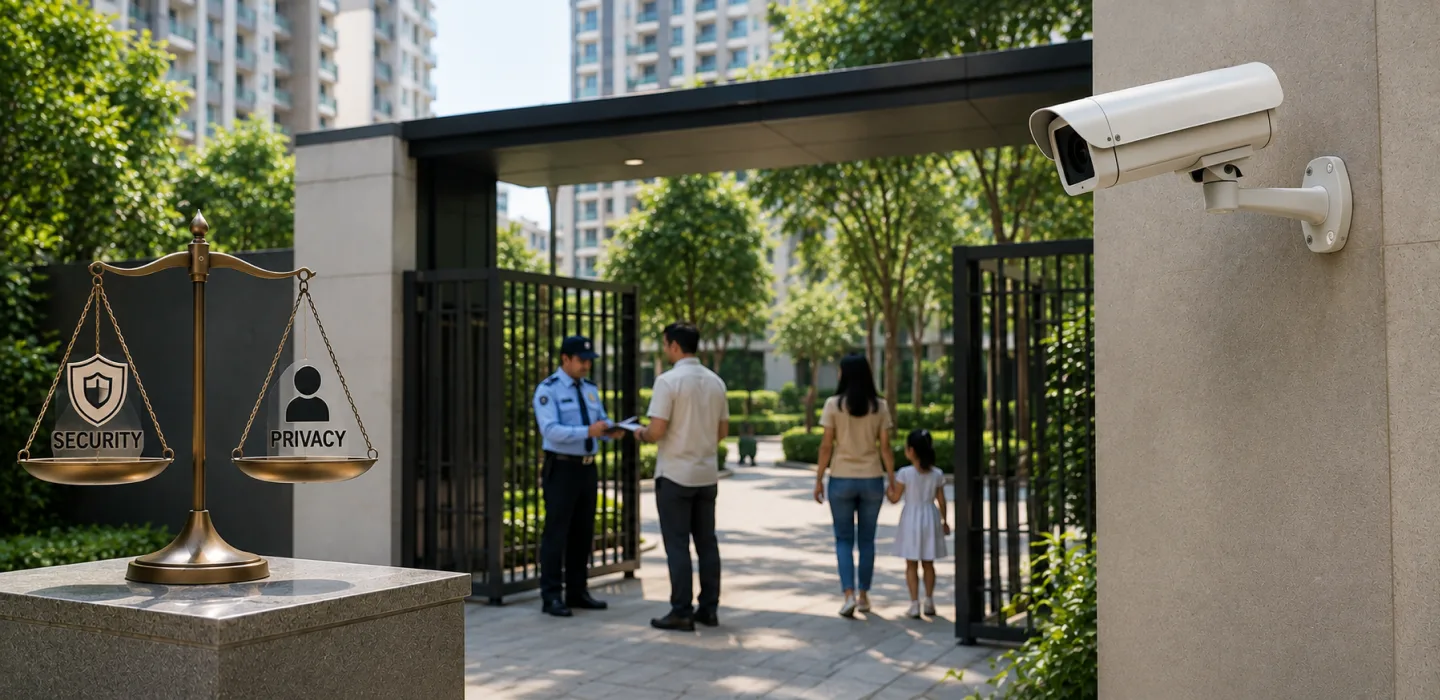
In the context of Indian residential societies, security and privacy are paramount concerns for both residents and management committees. With the increased complexity of urban living, ensuring the safety of residents while simultaneously maintaining their personal privacy has become a challenging yet crucial undertaking. The dual objectives of safeguarding the physical environment and preserving the sanctity of private life form the foundation of trust between residents and the management. As more societies transition to digital management, the expectations for comprehensive security measures have risen, but so too have calls for stringent privacy protections.
Residents expect their society to provide a secure perimeter and a safe living environment without compromising on their personal freedom. Management committees, on the other hand, are tasked with implementing policies that address these security needs while also being mindful of the legal and ethical implications of privacy. These concerns are particularly pressing in India, where regulatory frameworks around privacy, such as the Personal Data Protection Bill, are evolving. The balance between security and privacy is not just a matter of logistics but of maintaining a harmonious community where residents feel both protected and respected.
Understanding the Current Security Practices
Residential societies commonly employ a range of security measures to protect their residents. These include gated entry systems, CCTV surveillance, and regular guard patrols. Such measures aim to deter unauthorized access, monitor movement within the society, and provide a quick response to any security threats.
Gated entry systems often consist of barriers or gates that are manned by security personnel. Residents typically gain entry through personal identification methods, such as access cards or biometric scans. This method effectively restricts access to non-residents, enhancing overall security. However, the presence of security personnel and mandatory identification checks can sometimes feel intrusive to residents, as their daily movements are constantly monitored.
CCTV surveillance has become ubiquitous in residential societies. Cameras are usually installed in common areas, entry and exit points, and sometimes even within residential blocks. While these cameras play a crucial role in deterring crime and aiding investigations, they also raise significant privacy concerns. Residents may feel uncomfortable knowing that their activities are being recorded and monitored at all times.
Guard patrols are another traditional security measure. Security guards conduct regular rounds to ensure no unauthorized activities occur within the society premises. The presence of guards provides a sense of safety for residents, but it can also create an environment of constant surveillance, which some may find oppressive.
| Security Measure | Benefits | Privacy Concerns |
|---|---|---|
| Gated Entry | Restricts unauthorized access | Intrusive identification checks |
| CCTV Surveillance | Deters crime, aids investigations | Continuous monitoring, data privacy issues |
| Guard Patrols | Immediate response to incidents | Creates an environment of surveillance |
Privacy Concerns Arising from Security Measures
The implementation of security measures in residential societies can give rise to a number of privacy issues. The most prominent concern is constant surveillance, primarily through CCTV cameras. While these systems are installed to ensure safety, they can infringe on personal privacy if not managed appropriately. For instance, residents might feel uneasy knowing their every move is captured on camera, even in areas considered semi-private, such as lobbies and corridors.
Visitor tracking is another source of privacy concern. Systems that require guests to register personal details upon entry ensure safety by maintaining a record of all visitors, but they also raise questions about data security and misuse. Residents might worry about who has access to this information and how it is stored and used. Mismanagement of such data could lead to breaches of privacy and even identity theft.
Data collection involved in security measures, such as biometric information for entry systems or personal details for visitor logs, further complicates the privacy landscape. The Personal Data Protection Bill, still under consideration, seeks to address such issues by imposing strict guidelines on how data should be collected, stored, and processed. Until such regulations are fully implemented, societies must navigate these waters with caution, ensuring that they comply with existing laws and respect residents' privacy.
Moreover, the potential discomfort among residents regarding these practices can lead to dissent and mistrust towards the management. If residents feel that their privacy is being violated or their data mishandled, it can lead to decreased confidence in the society's governance and potentially legal challenges. Therefore, it is imperative for management committees to carefully consider the privacy implications of each security measure implemented and strive for transparency and communication with residents regarding these practices.
Finding the Balance: Expert Opinions
Balancing security needs with privacy concerns is a complex challenge that requires strategic planning and expert guidance. Industry experts suggest that the key lies in creating a framework that protects residents while respecting their privacy. One effective strategy is to adopt a tiered approach to security and privacy, where the level of monitoring decreases as the likelihood of risk decreases.
An essential step towards achieving this balance is conducting a comprehensive risk assessment. This involves identifying potential security threats and evaluating the effectiveness and privacy impact of current measures. By understanding the specific needs and vulnerabilities of a society, management can tailor their security practices to mitigate risks without overstepping privacy boundaries.
Experts also emphasize the importance of transparency and communication. Regularly informing residents about security measures and the rationale behind them can alleviate privacy concerns. Open channels of communication allow residents to voice their opinions and participate in decision-making, fostering trust and cooperation between management and residents.
Another recommendation is the implementation of privacy-centric technologies. Solutions such as AI-driven systems can enhance security while minimizing intrusive monitoring. For example, AI can be used to analyze video feeds in real-time, triggering alerts only when specific security events are detected, thus reducing unnecessary surveillance.
Furthermore, industry professionals advocate for a data minimization approach. Collecting only the necessary information and ensuring robust data protection protocols can significantly mitigate privacy risks. Adhering to the principles of data minimization and protection not only enhances privacy but also builds resident confidence in the society's security measures.
Technology's Role in Harmonizing Security and Privacy
Technology plays a pivotal role in harmonizing security and privacy in residential societies. Modern solutions, such as AI-driven systems and customizable privacy settings, offer innovative ways to maintain robust security while respecting residents' privacy.
AI-driven security systems are at the forefront of this technological revolution. These systems can analyze vast amounts of data in real-time, identifying potential threats without the need for constant human monitoring. For instance, AI can be programmed to detect unusual activity patterns from video feeds. By focusing on anomalies rather than constant monitoring, these systems reduce the invasion of privacy while maintaining high security standards.
Features such as MyKutir's AI assist tools can be invaluable in this respect. These tools allow for automated monitoring and alert systems that can discern benign from suspicious activities, thus reducing the need for human oversight of mundane activities. This capability not only enhances security but ensures that privacy is respected by minimizing unnecessary surveillance.
Additionally, customizable privacy settings offer residents more control over their data and how it is used. Societies can implement systems where residents can opt into or out of certain data collection practices. For example, residents might choose to share their visitor logs with management for security purposes but opt out of having their movement tracked by CCTV beyond common areas.
Data encryption and secure storage solutions are also critical components of privacy protection. By implementing robust encryption protocols, societies can ensure that sensitive data is protected from unauthorized access. This not only complies with emerging privacy regulations but also builds trust among residents.
The integration of these technological solutions provides societies with the tools needed to maintain high security standards while respecting the privacy of their residents. As technology continues to evolve, societies must stay informed and adaptable, ensuring their systems remain up-to-date with the latest advancements in security and privacy protection.
Case Study: Successful Implementation in a Residential Society
One illustrative scenario of a residential society that successfully balanced security and privacy involved a mid-sized community in Pune. The society was initially facing challenges with unauthorized entries and theft, prompting the management to enhance their security infrastructure. However, they were equally aware of the rising privacy concerns among residents due to increased surveillance.
The management committee decided to adopt a comprehensive approach that integrated advanced technologies with resident involvement. They began by conducting a risk assessment to identify key security risks and vulnerabilities within the society. This assessment guided the selection of appropriate security measures that were proportionate to the actual risks present.
To address privacy concerns, the society implemented AI-driven CCTV systems. These systems were designed to analyze video footage in real-time, focusing on identifying specific security threats, such as loitering around entry points or unauthorized access attempts. This targeted approach minimized the need for constant surveillance, thereby respecting residents' privacy.
Furthermore, the society introduced customizable privacy settings for residents. This allowed individuals to have a say in how their data was used, particularly concerning visitor logs and biometric data for entry systems. Residents were given the option to opt into sharing certain information based on their comfort levels, enhancing trust in the management's practices.
Regular community meetings were held to keep residents informed about the security measures in place and address any concerns. This transparency and open communication fostered a sense of collaboration and trust between residents and management. As a result, the society successfully reduced incidents of unauthorized access while maintaining a high level of resident satisfaction concerning their privacy.
The outcomes of this case study demonstrate the effectiveness of integrating advanced technology with proactive resident engagement. By prioritizing both security and privacy, the society created a safe and harmonious living environment that met the needs and expectations of its residents.
Common Mistakes to Avoid
When trying to balance security with privacy, residential societies often encounter common pitfalls. Understanding these mistakes can help management committees implement more effective strategies that do not compromise either aspect.
One frequent error is over-surveillance. In an attempt to enhance security, some societies install an excessive number of CCTV cameras, leading to intrusive monitoring and unnecessary data collection. This not only invades residents' privacy but also creates an atmosphere of distrust. To avoid this, societies should conduct a thorough assessment of the actual security needs and position surveillance tools strategically to cover critical areas without overreaching.
Inadequate communication with residents is another significant mistake. When management fails to inform residents about security measures and the data collected, it can lead to misunderstandings and resistance. Transparent communication is essential, ensuring residents understand the measures in place and the reasons for their implementation. Regular updates and feedback channels can help build trust and cooperation among residents.
Another common pitfall is neglecting data protection protocols. Collecting personal and biometric data without proper security measures can lead to breaches and misuse of information. Societies should implement robust data protection practices, including encryption and secure storage, to safeguard sensitive information.
Failure to involve residents in decision-making processes can also be detrimental. Residents are more likely to support security measures if they feel their concerns are considered and their voices heard. Societies should actively involve residents in planning and discussions, creating a collaborative environment where security and privacy are jointly respected.
Creating a Privacy-Conscious Security Plan: A Step-by-Step Guide
Developing a security plan that respects residents' privacy is a critical task for management committees. A structured approach can help ensure both security and privacy are adequately addressed.
The first step is conducting a privacy impact assessment. This involves evaluating the potential privacy risks associated with current and proposed security measures. By identifying these risks, societies can make informed decisions about which practices to implement and how to mitigate any negative privacy implications.
Next, involving residents in the planning process is crucial. Societies should engage with residents through meetings and surveys to gather their input and address their concerns. This collaborative approach fosters trust and ensures the security plan aligns with residents' expectations.
Implementing a tiered security approach is another effective strategy. By categorizing areas based on their security needs, societies can apply appropriate surveillance measures to high-risk areas while minimizing monitoring in lower-risk zones. This reduces unnecessary surveillance and enhances privacy.
Data minimization should also be a core principle. Societies must collect only the necessary data for security purposes and ensure robust data protection protocols are in place. This includes secure data storage and encryption practices, complying with emerging privacy regulations.
Finally, regular reviews and updates of the security plan are essential. As technology and privacy regulations evolve, societies must adapt their measures to stay compliant and effective. Periodic assessments and resident feedback can help identify areas for improvement and ensure the plan remains relevant.
FAQs on Security and Privacy in Residential Societies
How can residential societies ensure both security and privacy?
Residential societies can maintain a balance between security and privacy by conducting thorough risk assessments to identify specific vulnerabilities and risks. Implementing targeted security measures in high-risk areas while minimizing surveillance in low-risk zones can enhance privacy. Additionally, involving residents in decision-making processes and maintaining open communication are vital. This approach ensures that the security measures align with residents' expectations and address privacy concerns effectively.
What technologies can help balance security and privacy?
Technologies such as AI-driven security systems and customizable privacy settings are instrumental in balancing security and privacy. AI systems can monitor and analyze data in real-time, detecting potential threats without constant surveillance. Customizable privacy settings allow residents to control how their data is used, enhancing both security and privacy. Data encryption and secure storage solutions also play a crucial role in protecting sensitive information from unauthorized access.
What are the privacy risks associated with CCTV surveillance?
CCTV surveillance can pose privacy risks by continuously recording and monitoring residents' activities. This constant surveillance can lead to discomfort and a sense of intrusion among residents. Additionally, improper management of CCTV data, such as unauthorized access or data breaches, can further compromise privacy. To mitigate these risks, societies should limit surveillance to essential areas, ensure data protection protocols are in place, and maintain transparency about data usage with residents.
How should societies involve residents in security planning?
Involving residents in security planning begins with open communication and transparency. Societies should hold regular meetings to inform residents about current security measures and invite feedback. Surveys and polls can be used to gauge resident concerns and preferences. By integrating resident input into the decision-making process, societies can create a more inclusive and agreeable security plan that respects privacy needs and fosters a sense of community collaboration.
What are common challenges in managing security and privacy?
Balancing security and privacy presents several challenges, including over-surveillance, inadequate communication, and ineffective data protection practices. Societies often struggle to implement security measures that do not overly intrude on privacy. Poor communication can lead to misunderstandings and resistance from residents. Furthermore, failing to protect collected data properly can result in privacy breaches. Addressing these challenges requires a strategic approach that emphasizes transparency, resident involvement, and robust data protection protocols.
How can AI assist in maintaining privacy while ensuring security?
AI can maintain privacy while ensuring security by analyzing data in real-time to identify potential threats without requiring constant human monitoring. AI-driven systems can focus on anomalies and specific security events, reducing unnecessary surveillance. This approach respects residents' privacy by minimizing invasive monitoring. AI can also automate data protection measures, ensuring sensitive information is securely stored and accessed only by authorized personnel. By integrating AI, societies can achieve a balanced approach to security and privacy.
What legal considerations should societies keep in mind regarding privacy?
Societies must be aware of evolving privacy regulations, such as the Personal Data Protection Bill, which governs data collection, storage, and processing. It's crucial for societies to stay compliant with these regulations to avoid legal repercussions. Societies should implement data minimization principles, secure data storage, and encryption protocols to protect resident information. Consulting with legal professionals and staying informed about changes in privacy laws can help societies navigate legal considerations effectively while respecting residents' privacy.
Key Takeaways
- Balancing security and privacy requires a strategic approach that involves assessing risks and involving residents in decision-making.
- Modern technologies, such as AI and customizable privacy settings, can help societies achieve this balance effectively.
- Over-surveillance and inadequate communication are common pitfalls; societies should focus on transparent practices and robust data protection.
- Case studies highlight successful strategies for harmonizing security and privacy in residential societies.
- Legal compliance with emerging privacy regulations is essential to protect societies from potential legal challenges.