Beginner's Guide to Effective Digital Gate Pass Management in Housing Societies
By MyKutir Editorial Team — 2026-09-08
Explore the essentials of implementing digital gate pass systems for housing societies.
As housing societies across India grow in size and complexity, the need for efficient and effective visitor management systems has become increasingly apparent. Traditional methods, like manually signing in visitors or using paper registers, are rapidly being replaced by digital solutions that offer superior functionality and ease of use. Digital gate pass systems are at the forefront of this shift, transforming how societies manage and monitor entry points to ensure safety and convenience for residents and visitors alike.
These systems utilize technology to streamline the visitor management process, allowing societies to track entries and exits accurately and in real-time. With features such as automatic notifications and integration capabilities, digital gate pass systems not only enhance security but also deliver a better experience for all stakeholders involved. In the context of Indian housing societies, where large numbers of people and vehicles move in and out daily, the transition to digital systems represents a significant upgrade from outdated manual practices.
Understanding Digital Gate Pass Systems
Digital gate pass systems are advanced visitor management solutions designed to automate and streamline the process of controlling access to housing societies. These systems function through a combination of software and hardware that work together to enhance security and improve the efficiency of gate operations. A typical system includes a digital platform accessible via mobile or web applications, enabling residents and security personnel to manage visitor entries remotely.
The relevance of digital gate pass systems in Indian housing societies cannot be overstated. With an increasing focus on security and operational efficiency, these systems address the limitations of traditional visitor management practices. In a manual system, visitor details are recorded by hand, often leading to errors and delays. It also relies heavily on security personnel to verify visitor credentials, which can be time-consuming and prone to human error.
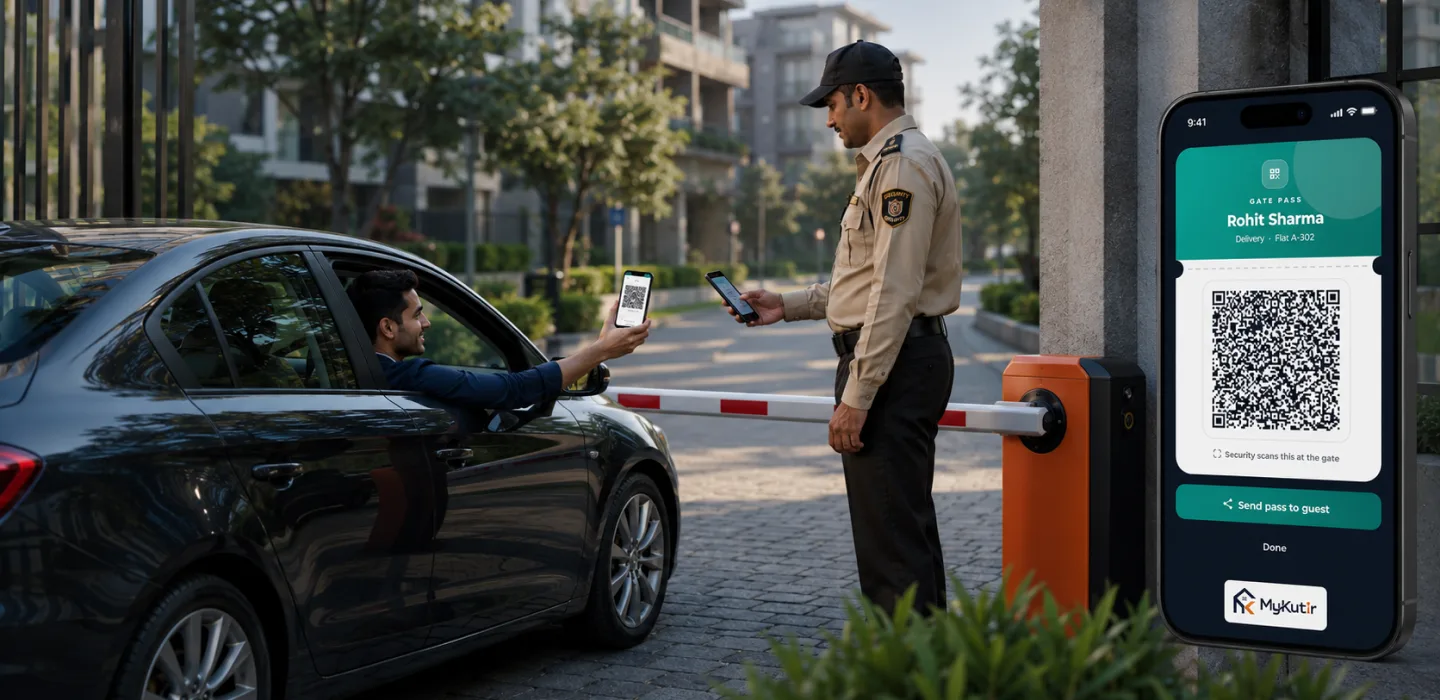
Digital systems, on the other hand, automate the entire process. Visitors can pre-register their details through a designated app or platform. Upon arrival, their information is verified against the submitted data, allowing for quick and hassle-free access. This not only reduces the burden on security staff but also minimizes wait times at entry points, improving the overall experience for visitors.
The transition from manual to digital gate management is a significant step forward for housing societies in India. It represents a shift towards more secure, efficient, and user-friendly operations. As societies continue to grow and evolve, the adoption of digital solutions like gate pass systems will become increasingly essential to meet the demands of modern living.
Key Features of Digital Gate Pass Systems
Digital gate pass systems come equipped with a variety of features designed to streamline visitor management and enhance security. A comprehensive system offers functionalities for tracking visitors, providing real-time updates, sending automatic notifications, and integrating with other security measures. These capabilities are essential for maintaining a secure and efficiently operated housing society.
One of the most critical features of digital gate pass systems is visitor tracking. The system maintains an accurate log of all entries and exits, allowing societies to monitor visitor movements in real-time. This feature is particularly beneficial during emergencies, as it enables security personnel to quickly identify who is on the premises.
Real-time updates are another vital component of digital gate pass systems. Whenever a visitor arrives or departs, the system promptly updates the records, ensuring that the data remains current. Additionally, residents receive notifications for visitor arrivals, enhancing convenience and reinforcing trust in the system's reliability. This immediate communication makes the process transparent, which is a crucial aspect of digital engagement.
Integration with existing security measures is a standout feature that elevates digital gate pass systems. These systems can work alongside CCTV cameras, biometric access controls, and other security infrastructure to provide a holistic security solution. The ability to integrate seamlessly with other technologies ensures that societies maximize their investment in security equipment and maintain a cohesive control strategy.
Moreover, platforms like MyKutir offer enhanced customization options, allowing societies to tailor the system to meet specific needs. For example, the system might incorporate visitor pre-approval processes or special alerts for VIP guests. This flexibility makes digital gate pass systems applicable to a wide range of housing societies, regardless of size or configuration.
In summary, the integration of these key features transforms visitor management from a labor-intensive process into an efficient and secure operation. As housing societies continue to face challenges related to security and operational efficiency, digital gate pass systems will play a pivotal role in addressing these needs.
How to Implement a Digital Gate Pass System
Implementing a digital gate pass system within a housing society involves several crucial steps, each of which is essential to ensure a smooth transition from manual to digital processes. Here’s a step-by-step guide to help societies adopt and integrate these systems effectively.
Step 1: Initial Assessment
The first step in implementing a digital gate pass system is conducting an initial assessment of the society's current visitor management needs. This includes evaluating the volume of visitors, the existing security infrastructure, and any specific requirements of the residents. Understanding these factors will help the society choose a system that meets its unique needs.
Step 2: Selecting the Right Software
The next step is selecting the appropriate software solution. Societies should consider a platform like MyKutir, which offers comprehensive features tailored to housing societies. It is crucial to evaluate the system’s scalability, user interface, integration capabilities, and customer support. The chosen software should be able to accommodate the society's current needs and future growth.
Step 3: System Configuration
Once the software is selected, the next stage is configuring the system to align with the society's specific requirements. This process may involve setting up user roles and permissions, customizing notifications, and integrating the system with existing security devices. Proper configuration is vital to ensure the system functions optimally and meets the society's needs.
Step 4: Training Staff and Residents
To ensure successful implementation, it is essential to train both security staff and residents on using the digital gate pass system. Training should cover system navigation, troubleshooting common issues, and understanding data privacy protocols. Providing comprehensive training sessions will help users feel confident in operating the system, thereby maximizing its effectiveness.
Step 5: Ongoing Evaluation and Feedback
After implementation, the society should regularly evaluate the system's performance and seek feedback from users. This will help identify any areas for improvement and ensure the system continues to meet the society's evolving needs. Continuous evaluation and adaptation are critical components of a successful digital gate pass implementation.
By following these steps, housing societies can effectively transition to a digital gate pass system, enhancing security and operational efficiency while providing a better experience for residents and visitors alike.
Benefits of Digital Gate Pass Systems
The adoption of digital gate pass systems offers numerous benefits to housing societies, addressing the limitations of traditional manual methods and enhancing the overall management of visitor access. Here are some of the key advantages that societies can enjoy by transitioning to digital solutions.
Enhanced Security
One of the most significant benefits of digital gate pass systems is enhanced security. By using technology to verify visitor identities and track entries and exits in real-time, societies can significantly reduce the risk of unauthorized access. The integration of digital systems with CCTV and other security devices further strengthens the society's security posture, ensuring comprehensive protection.
Improved Visitor Experience
Digital gate pass systems streamline the entry process for visitors, reducing wait times and eliminating the need for manual sign-in procedures. Pre-registration options allow visitors to submit their details ahead of time, ensuring a smooth and efficient entry upon arrival. This improved experience is particularly valuable for frequent visitors, such as delivery personnel and domestic help.
Efficient Data Management
Maintaining accurate records of visitor entries and exits is crucial for both security and operational efficiency. Digital gate pass systems automatically log all visitor data, reducing the possibility of human error and ensuring that records are always up-to-date. This digital documentation is also useful for audits and reviews, making data management more efficient and reliable.
Cost-effective Operations
While the initial investment in digital gate pass systems may seem substantial, the long-term cost savings can be significant. By reducing the reliance on manual labor and minimizing errors, societies can save on staffing costs and improve operational efficiency. Additionally, digital systems often require less maintenance compared to traditional methods, further reducing expenses.
Platforms like MyKutir offer tailored solutions that enhance these benefits, providing housing societies with a robust tool for managing visitor access. As more societies embrace digital gate pass systems, the advantages of these innovations become increasingly apparent, making them an essential component of modern residential management.
Common Mistakes to Avoid
While digital gate pass systems offer numerous benefits for housing societies, their successful implementation requires careful planning and execution. Here are some common mistakes societies should avoid when adopting these systems, along with tips for overcoming these challenges.
Inadequate Training
One of the most frequent mistakes is failing to provide adequate training for security staff and residents. Without proper instruction, users may struggle to navigate the system, leading to frustration and underutilization of its features. To circumvent this issue, societies should invest in comprehensive training sessions that cover all aspects of the system, from basic navigation to advanced troubleshooting.
Poor Integration with Existing Systems
Another common pitfall is neglecting to integrate the digital gate pass system with existing security measures. A lack of integration can result in fragmented operations and diminished security effectiveness. Societies should ensure that their chosen system can seamlessly connect with other security infrastructure, such as CCTV cameras and biometric access controls, to maintain a cohesive security strategy.
Underestimating the Importance of Data Privacy
Data privacy is a critical concern in the digital age, yet some societies may overlook this aspect during implementation. Failing to address data privacy can lead to unauthorized access to sensitive information and potential legal issues. Societies should work closely with their software provider to implement robust data protection measures and comply with relevant privacy regulations.
Ignoring Feedback and Continuous Improvement
After implementing a digital gate pass system, some societies may become complacent and neglect to seek feedback from users. Ignoring feedback can prevent societies from identifying areas for improvement and adapting the system to meet changing needs. Regularly collecting and analyzing user feedback is essential for ensuring the system remains effective and relevant over time.
By avoiding these common mistakes, housing societies can maximize the benefits of digital gate pass systems and create a more secure and efficient environment for residents and visitors.
Comparing Manual vs. Digital Gate Pass Management
When transitioning to a digital gate pass system, it is essential to understand the differences between traditional manual visitor management methods and modern digital solutions. The following table outlines some of the key distinctions, emphasizing the areas of efficiency, accuracy, and user-friendliness.
| Feature | Manual Gate Pass Management | Digital Gate Pass Management |
|---|---|---|
| Data Entry | Manual, prone to errors | Automated, accurate |
| Visitor Tracking | Paper logs, difficult to audit | Real-time digital logs, easy to audit |
| Notification System | Manual call or intercom | Automatic notifications via app |
| Security Integration | Limited, often separate systems | Seamless integration with other security systems |
| Scalability | Challenging as society grows | Easily scalable to accommodate growth |
As illustrated in the table, digital gate pass systems offer significant advantages over manual methods in terms of efficiency and accuracy. Automated data entry reduces the risk of errors, while real-time visitor tracking ensures that records are always current and easily accessible. Additionally, the ability to send automatic notifications through a mobile app enhances communication and convenience for residents and visitors.
Moreover, digital systems can integrate seamlessly with existing security infrastructure, providing a comprehensive and cohesive security solution. In contrast, manual methods often rely on separate systems, which can lead to inefficiencies and gaps in security.
Overall, the transition to digital gate pass management represents a significant upgrade for housing societies, offering improved security, operational efficiency, and user experience.
Case Study: Successful Implementation
To illustrate the successful implementation of a digital gate pass system, consider a hypothetical scenario involving a medium-sized housing society in India. This composite case study highlights the challenges faced by the society and the solutions implemented to overcome them.
Background
The society, with 300 residential units, was experiencing increased visitor traffic due to its location near a business district. Traditional manual gate pass methods were proving inadequate, resulting in long entry queues and frequent errors in visitor records. Residents were increasingly concerned about security, particularly given the limited integration of existing security infrastructure.
Implementation
After conducting an assessment of their needs, the society opted to implement a digital gate pass system using a platform like MyKutir. They first evaluated the features and scalability of the software, ensuring it met the demands of their growing community. The society then configured the system to integrate with their existing CCTV network and biometric access controls.
Comprehensive training sessions were organized for security staff and residents, focusing on system navigation and data privacy protocols. The system was configured to send automatic notifications to residents upon visitor arrival, streamlining communication and enhancing convenience.
Challenges and Solutions
During the implementation, the society encountered challenges related to data migration and staff resistance to change. The society addressed these issues by hiring a dedicated IT consultant to oversee data transfer and organizing additional training sessions to address staff concerns. They also implemented a feedback system to continually monitor user satisfaction and system performance.
Outcomes
Within a few months, the digital gate pass system significantly improved the society's visitor management process. Entry times were reduced by 40%, and the accuracy of visitor records improved dramatically. Residents expressed increased satisfaction with the enhanced security measures and streamlined communication. The society also reported cost savings from reduced staffing needs and more efficient operations.
This case study demonstrates how, with careful planning and execution, housing societies can successfully implement digital gate pass systems to enhance security and operational efficiency.
FAQs on Digital Gate Pass Management
Implementing a digital gate pass system can raise several questions for housing societies. Below are some frequently asked questions and comprehensive answers to help societies better understand these systems.
What is a digital gate pass system?
A digital gate pass system is an automated visitor management solution that streamlines the process of controlling access to a housing society. It replaces traditional paper-based methods with a digital platform that allows residents and security personnel to manage visitor entries and exits efficiently. These systems typically include features like visitor tracking, real-time updates, automatic notifications, and the ability to integrate with existing security measures such as CCTV and biometric controls.
How does a digital gate pass improve security?
Digital gate pass systems enhance security by automating the verification of visitor identities and tracking entries and exits in real-time. This reduces the likelihood of unauthorized access and ensures that all visitor data is accurately recorded. Additionally, these systems can integrate with other security technologies, such as surveillance cameras and access control systems, to provide a comprehensive security solution that covers all entry points within a society.
What are the costs associated with digital gate passes?
The costs associated with implementing a digital gate pass system can vary depending on the size of the housing society, the features required, and the existing infrastructure. Initial costs may include software licenses, hardware installations, and training for staff and residents. However, these upfront expenses are often offset by long-term savings due to reduced staffing needs, lower maintenance costs, and improved operational efficiency. Societies should work with their software provider to obtain a detailed cost estimate tailored to their specific needs.
How to ensure data privacy with digital gate pass systems?
Data privacy is a critical concern for any digital system, and digital gate pass solutions are no exception. To ensure data privacy, societies should work with their software provider to implement robust security measures, such as encryption and access controls, to protect sensitive information. Additionally, it is essential to comply with relevant data protection regulations and regularly review and update privacy protocols to address emerging threats and vulnerabilities.
Can digital gate pass systems integrate with existing security measures?
Yes, most digital gate pass systems are designed to integrate seamlessly with existing security measures. This includes CCTV cameras, biometric access controls, and alarm systems. Integration allows societies to create a unified security strategy that enhances protection and operational efficiency. When selecting a digital gate pass system, societies should ensure that the platform supports the necessary integrations with their existing infrastructure.
Future Trends and Innovations
As technology continues to evolve, digital gate pass systems are poised to benefit from several emerging trends and innovations that will further enhance their functionality and impact on housing societies. Understanding these developments can help societies make informed decisions about future investments in their security infrastructure.
AI Integrations
One of the most promising trends is the integration of artificial intelligence (AI) into digital gate pass systems. AI can enhance visitor management by automating routine tasks, analyzing visitor patterns, and predicting potential security threats. For example, AI-enabled systems can automatically flag unusual visitor activity or provide predictive insights into peak visitor times, allowing societies to optimize staffing and resource allocation.
Mobile App Functionalities
Another significant trend is the expansion of mobile app functionalities within digital gate pass systems. Mobile apps provide residents with convenient access to system features, such as pre-registering visitors, receiving real-time notifications, and accessing visitor logs. As smartphone usage continues to rise, enhancing mobile app capabilities can improve user engagement and satisfaction, making it easier for residents to manage visitor access remotely.
IoT and Smart Home Integration
The Internet of Things (IoT) and smart home technologies are also becoming integral components of digital gate pass systems. By connecting devices such as smart locks, video doorbells, and home automation systems, societies can create a seamless and integrated security network that extends beyond the main gate. This integration enhances security and convenience, enabling residents to control and monitor their home environment from anywhere.
Biometric Advancements
Biometric technology is also advancing, offering more secure and reliable authentication methods for digital gate pass systems. Facial recognition, fingerprint scanning, and iris scanning are becoming more accurate and accessible, providing societies with robust options for verifying visitor identities. These advancements can help reduce the risk of fraud and ensure that only authorized individuals gain access to the premises.
As these trends and innovations continue to develop, housing societies that stay informed and adapt to new technologies will be well-positioned to enhance their security and operational efficiency. By embracing these advancements, societies can create safer and more convenient environments for residents and visitors alike.
Key Takeaways
- Digital gate pass systems offer an effective solution for managing visitor access, providing enhanced security and convenience compared to manual methods.
- Important features include visitor tracking, real-time updates, automatic notifications, and integration with other security infrastructure.
- Successful implementation requires careful planning, including assessment, software selection, system configuration, and user training.
- Transitioning to digital systems offers numerous benefits, such as improved data accuracy, enhanced security, and cost-effective operations.
- Avoid common mistakes like inadequate training and poor integration to maximize the effectiveness of digital gate pass systems.
- Emerging trends like AI, mobile apps, IoT, and biometric advancements are shaping the future of digital gate pass technology.