A Beginner's Guide to Digital Gate Pass Systems for Housing Societies
By MyKutir Editorial Team — 2026-08-23
Explore the basics of digital gate pass systems for housing societies and understand how they enhance security and efficiency.
In the ever-evolving landscape of residential management, digital gate pass systems have emerged as a vital tool for housing societies seeking to enhance security and streamline operations. These systems represent a modern solution to the age-old problem of managing visitor entry and exit efficiently. By leveraging technology, housing societies can now monitor and control access in ways that were previously unimaginable with traditional methods. This guide is designed to introduce you to the essentials of digital gate pass systems, explaining their purpose, functionality, benefits, and how to successfully implement them in your housing society.
Understanding Digital Gate Pass Systems
Digital gate pass systems are technology-driven solutions designed to automate the process of managing visitor entries and exits in housing societies. At their core, these systems aim to enhance security while improving the overall efficiency of visitor management processes. Unlike traditional methods, which rely heavily on manual logs and intercoms, digital gate pass systems leverage digital mediums like mobile applications and QR codes to streamline operations.
The primary purpose of digital gate pass systems is to provide a secure, hassle-free way for residents to authorize visitor access. This process reduces the burden on security personnel, who traditionally spent considerable time logging visitor information manually. By automating this process, societies can ensure only authorized individuals gain entry, thereby significantly enhancing the security perimeter.
Beyond security, these systems also offer operational benefits, including more accurate visitor logs and analytics that can help societies understand visitor patterns. This data can be invaluable for making informed decisions about security protocols and identifying peak visitor times, allowing for better resource allocation.
Moreover, digital gate pass systems contribute to a more seamless visitor experience. Visitors previously had to wait at the gate while their host was contacted, often leading to delays and frustration. With a digital system, a visitor can be pre-approved by the resident, allowing for quick and easy entry. This not only improves convenience for visitors but also reflects positively on the society's image as a tech-savvy and secure community.
In essence, digital gate pass systems align with the broader trend of digitization in property management, providing a future-ready solution that addresses both current security challenges and the growing expectations of modern residents. As housing societies look to the future, adopting such technologies becomes vital in maintaining competitive and secure living environments.
How Digital Gate Pass Systems Work
The technology behind digital gate pass systems is both innovative and practical, providing a robust framework for managing visitor access efficiently. At the heart of these systems are mobile applications and QR code technology, which together facilitate a seamless user experience while ensuring stringent security protocols are met.
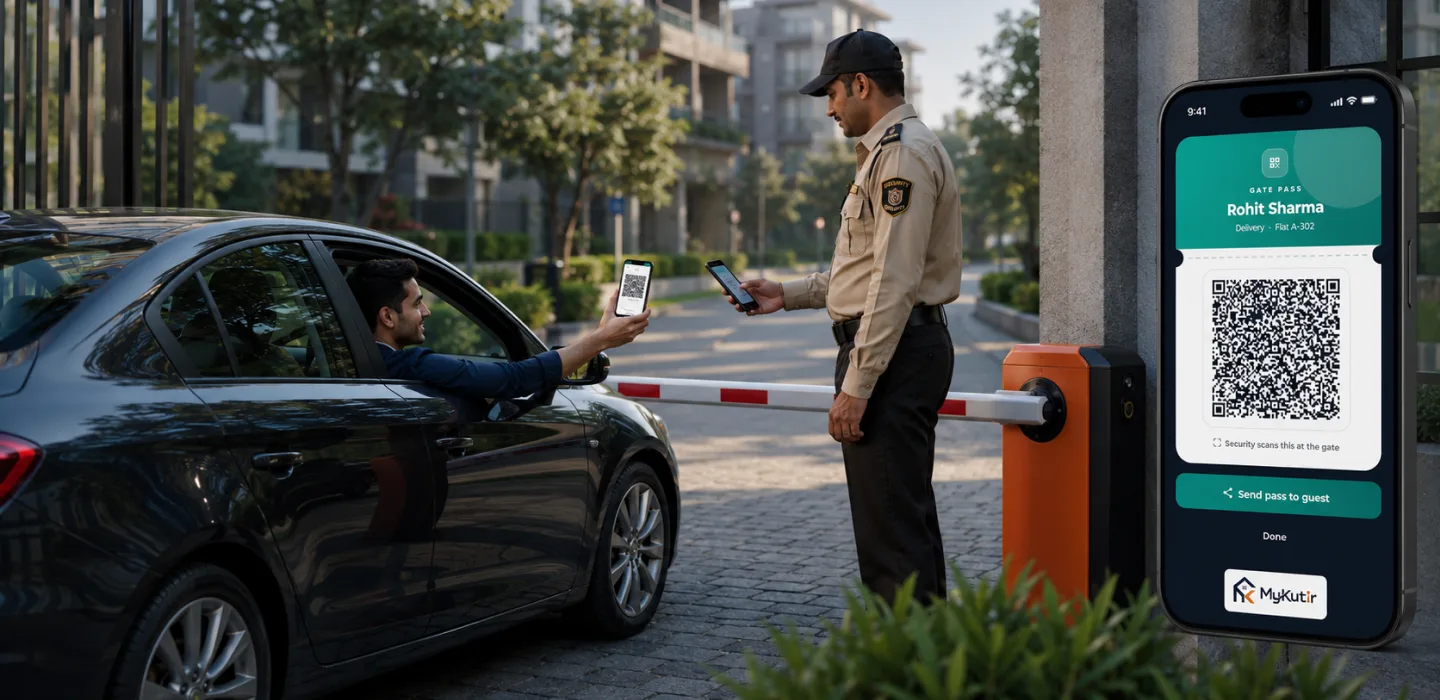
The process typically begins with a resident using a mobile app to generate a digital pass for their visitor. This pass often takes the form of a QR code or a unique identification number that the visitor presents at the entrance gate. Upon scanning the QR code or entering the number, the system verifies the visitor's details and authorizes entry if everything checks out.
This process is facilitated by a backend system that integrates with existing security infrastructure, such as access control barriers and CCTV, to provide real-time monitoring and alerts. The mobile app interface is user-friendly, allowing residents to effortlessly manage visitor entries, schedule arrivals, and receive notifications about visitor status.
Visitor management is further streamlined through pre-registration. Residents can pre-approve regular guests, service providers, or delivery personnel, minimizing the need for repetitive checks and speeding up the entry process. Security personnel also benefit, as their role shifts from data entry to monitoring and responding to alerts as needed.
An illustrative scenario could involve a guest arriving at a society’s gate. The security personnel scans the QR code or inputs the visitor's ID into the system, which quickly checks the entry against a database of approved passes. If approved, the gate is automatically opened, and the visitor is allowed through without delay. This system ensures that all records are automatically updated, providing an audit trail for future reference.
Overall, digital gate pass systems leverage the power of automation and connectivity to transform visitor management from a labor-intensive task into a streamlined process. This transformation not only improves operational efficiency but also elevates the security posture of the housing society.
The Benefits of Implementing Digital Gate Pass Systems
Implementing digital gate pass systems in housing societies offers a multitude of benefits that go beyond mere convenience, significantly impacting security, record-keeping, and operational efficiency. Understanding these advantages can help societies make informed decisions about whether to transition from traditional methods.
One of the most significant benefits of digital gate pass systems is enhanced security. By automating visitor verification, societies can ensure that only authorized individuals gain entry, reducing the risk of unauthorized access. This is particularly important in urban environments where heightened security is a priority for residents. Digital records of all entries and exits provide an additional layer of security, allowing for easy monitoring and swift response to any incidents.
Another notable advantage is improved record-keeping. Unlike paper logs, which are prone to errors and can be difficult to manage, digital systems automatically log all visitor entries and exits. This provides accurate, easily retrievable records that can be analyzed to identify patterns and inform security decisions. Comprehensive records are invaluable for auditing purposes, especially for societies that need to demonstrate compliance with local safety regulations.
Efficiency is another key benefit. Automated systems reduce the administrative burden on security personnel, allowing them to focus on maintaining safety rather than managing paperwork. This shift can lead to faster processing times at the gate, reducing congestion and ensuring a smoother entry process for visitors. Residents also benefit from the convenience of managing visitor access through a mobile app, eliminating the need for time-consuming phone calls to the security gate.
Furthermore, digital gate pass systems contribute to enhanced resident safety by ensuring that all visitor information is securely stored and accessible only to authorized individuals. This is a marked improvement over paper logs, which can be misplaced or compromised more easily.
In sum, the implementation of digital gate pass systems can transform the way housing societies manage visitor access, leading to safer, more efficient, and resident-friendly environments. These benefits make a compelling case for societies seeking modern, secure, and efficient solutions to their visitor management needs.
Getting Started with a Digital Gate Pass System
For housing societies looking to implement a digital gate pass system, the process can seem daunting at first. However, with careful planning and execution, societies can successfully transition to digital visitor management. Here is a step-by-step guide to help you get started.
The first step is to choose the right vendor. It is important to select a provider with a proven track record in deploying digital gate pass systems for residential communities. Evaluate vendors based on their experience, the features offered, customer support, and pricing models. It may also help to seek recommendations from other societies and check reviews or case studies.
Once a vendor has been selected, the next step is the initial setup. This involves integrating the digital gate pass system with the existing infrastructure, such as security cameras and access control systems. Collaboration with the vendor during this stage is crucial to ensure a smooth installation process. The vendor should conduct a thorough site survey to determine the best setup for your society.
Staff and resident training is another critical component. The success of a digital gate pass system largely depends on its acceptance and correct usage by residents and staff. The vendor should provide comprehensive training sessions and user manuals to help everyone understand how to use the system effectively. Consider organizing workshops or hands-on demonstrations to ensure all stakeholders are comfortable with the new system.
Communication is key throughout this process. Keep residents informed about the implementation timeline, the benefits of the new system, and any changes they need to be aware of. Address any concerns or questions promptly to ensure a smooth transition. Regular updates can help build confidence and encourage adoption among residents.
Finally, conduct a trial run to identify any potential issues. This trial period allows you to gather feedback from residents and staff, make necessary adjustments, and iron out any technical glitches before the system is fully operational. By following these guidelines, housing societies can effectively implement a digital gate pass system that enhances security, efficiency, and resident satisfaction.
Common Challenges and Mistakes
Adopting a digital gate pass system in a housing society is a significant change, and like any change, it comes with its share of challenges and potential pitfalls. Recognizing these challenges early on and understanding how to address them can facilitate a smoother transition.
One common challenge is the initial resistance to change. Residents and staff may be accustomed to traditional methods and hesitant to switch to a digital system. To overcome this resistance, it's essential to communicate the benefits clearly and provide adequate training. Demonstrations and hands-on workshops can be effective in showing users how the system works and relieving any apprehensions they may have.
Another frequent issue is the integration of the digital gate pass system with existing infrastructure. Compatibility problems can arise, particularly in older buildings with legacy security systems. Working closely with your chosen vendor to ensure compatibility and conducting thorough testing before full implementation can help prevent these issues.
Technology reliability is also a concern. Power outages or internet connectivity issues can disrupt the system's functionality. Societies should have contingency plans in place, such as manual override capabilities, to ensure that security is not compromised during such events. Additionally, choosing a vendor that offers robust technical support can help address any disruptions swiftly.
Data privacy is another critical challenge. With digital systems, there is always a concern about the security of sensitive resident data. Societies must ensure that their system complies with relevant data protection regulations and that robust measures are in place to protect personal information. This includes features like data encryption and secure access controls.
Finally, one of the most overlooked challenges is the ongoing maintenance and updates required to keep the system running smoothly. Regular system updates are crucial to address software bugs and improve functionality. Establishing a maintenance schedule with your vendor can help keep the system up-to-date without disrupting daily operations.
By anticipating these challenges and planning strategically, societies can avoid common pitfalls and ensure the successful adoption and long-term sustainability of a digital gate pass system.
Case Study: Successful Implementation in an Indian Housing Society
Consider the fictional case of a mid-sized housing society in Mumbai, which we'll call "Green Acres Residency." This society faced various challenges with their traditional visitor management system, which relied heavily on paper logs and intercom systems. The management team decided to transition to a digital gate pass system to address security concerns and improve operational efficiency.
The first step for Green Acres was to choose an appropriate vendor. After evaluating several options, they selected a vendor known for their comprehensive solution and excellent customer support. The vendor’s team conducted a site survey and worked closely with society management to tailor the system to their specific needs.
During the implementation phase, the society encountered several challenges, primarily related to integrating the new system with their existing infrastructure. The vendor provided technical support to ensure compatibility, and the management used this period to educate residents and staff about the new system. Training sessions were held to familiarize all stakeholders with the mobile app and system functionalities.
One innovative approach taken by Green Acres was to appoint "Resident Champions," tech-savvy residents who acted as ambassadors for the new system. These champions helped fellow residents navigate the initial learning curve and addressed common concerns about usability and data privacy.
The society also focused heavily on communication, regularly updating residents about the implementation progress and addressing any questions promptly. A trial run helped identify minor technical glitches, which were quickly resolved by the vendor.
Post-implementation, Green Acres observed several positive outcomes. Security was markedly improved, with unauthorized entries significantly reduced due to the automated verification process. The digital logs provided a clear audit trail, aiding in better security management and decision-making. Residents appreciated the convenience of managing visitor access through their mobile devices, significantly reducing wait times for guests at the gate.
The successful adoption of the digital gate pass system in Green Acres Residency showcases how with the right planning, vendor support, and community engagement, housing societies can overcome initial challenges and realize substantial benefits from transitioning to digital visitor management.
Digital Gate Pass Systems vs. Traditional Methods
When contemplating the transition from traditional visitor management to digital gate pass systems, it's crucial to understand how these two approaches differ in key areas such as security, efficiency, and user experience. Below is a comparison table highlighting the primary distinctions between the two.
| Aspect | Traditional Methods | Digital Gate Pass Systems |
|---|---|---|
| Security | Relies on manual logs which can be easily tampered with or lost. Verification is often done verbally or through intercoms, which can be circumvented. | Automated verification through digital passes ensures only authorized entry. Digital logs provide accurate, tamper-proof records. |
| Efficiency | Time-consuming processes for both residents and visitors. Security personnel spend considerable time managing entries manually. | Quick and streamlined process through mobile apps and QR codes. Reduces the workload on security personnel, allowing them to focus on monitoring. |
| User Experience | Can lead to delays and dissatisfaction among visitors and residents due to manual entry and verification. | Enhanced user experience with quick pre-approval of visitors and minimal wait times, leading to improved satisfaction. |
| Record Keeping | Paper logs are prone to errors, difficult to manage, and lack comprehensive data for analysis. | Digital records offer precise, easily accessible data that can be analyzed for better decision-making and compliance. |
The comparison makes it evident that digital gate pass systems offer a superior solution in terms of security, efficiency, and user experience. While traditional methods have served societies for years, the increasing demands for security and convenience make the case for a digital transition compelling.
Ultimately, the choice between traditional and digital methods should be based on the specific needs of your housing society, considering factors such as budget, existing infrastructure, and resident preferences. However, for societies aiming to stay ahead in the digital age, embracing technology-driven solutions offers numerous advantages that go beyond basic visitor management, preparing them for future growth and challenges.
FAQs on Digital Gate Pass Systems
As housing societies consider transitioning to digital gate pass systems, several common questions and concerns arise. Addressing these can help in understanding the implications and benefits of adopting such technology.
What is a digital gate pass system?
A digital gate pass system is a technology solution designed to manage visitor entry and exit in housing societies using digital platforms. It typically involves a combination of mobile applications, QR codes, and automated access controls to streamline and enhance the safety and efficiency of visitor management. These systems replace traditional methods like paper logs and intercoms with a more secure, automated approach.
How does a digital gate pass system improve security?
Digital gate pass systems enhance security by ensuring that only pre-approved visitors can enter the premises. They use verification methods such as QR codes or unique digital passes, which are difficult to forge compared to traditional paper passes. Furthermore, these systems maintain accurate digital logs of all entries and exits, allowing for real-time monitoring and swift action if unauthorized access is attempted.
Are digital gate pass systems costly to implement?
The cost of implementing a digital gate pass system can vary based on factors such as the size of the society, the complexity of the system, and the specific features required. However, many vendors offer scalable solutions that can be tailored to fit different budgets. While the initial investment might seem significant compared to traditional methods, the long-term benefits in terms of enhanced security and operational efficiency can justify the expenditure.
Can digital gate pass systems be integrated with existing infrastructure?
Yes, digital gate pass systems are designed to integrate with existing security infrastructure, such as access control gates, CCTV cameras, and alarm systems. During the implementation phase, a thorough site assessment is conducted to ensure compatibility. Most reputable vendors offer custom integration solutions to address the specific needs and configurations of a housing society.
What are the privacy concerns related to digital gate pass systems?
Privacy is a valid concern with any digital system, particularly those involving personal data. Digital gate pass systems must comply with data protection regulations, ensuring that all resident and visitor information is encrypted and access is restricted to authorized personnel only. Societies should work with vendors who prioritize data security and offer features such as encrypted data transmission and secure data storage.
How do residents interact with digital gate pass systems?
Residents interact with digital gate pass systems primarily through a mobile application. They can pre-approve visitors, schedule appointments, and receive notifications about visitor arrivals. The app interface is usually designed to be user-friendly, making it easy for residents to manage visitor access without needing extensive technical knowledge.
What challenges might a society face during implementation?
During implementation, societies may face challenges such as resident resistance to change, integration difficulties with existing infrastructure, and concerns about data privacy. Overcoming these requires effective communication, comprehensive training, and close collaboration with the vendor to address any technical issues. By anticipating these challenges and planning accordingly, societies can ensure a smooth transition to a digital gate pass system.
Future Trends in Visitor Management for Housing Societies
Visitor management technology is rapidly evolving, and housing societies that adopt digital gate pass systems today are well-positioned to benefit from future advancements. As we look to the future, several trends are likely to shape the way these systems are developed and implemented.
One significant trend is the integration of artificial intelligence (AI) and machine learning into visitor management systems. AI can enhance security by enabling predictive analytics, which can identify unusual patterns in visitor behavior and alert security personnel to potential threats. Machine learning algorithms can also improve the system's efficiency by learning from past data to optimize visitor flow and reduce bottlenecks.
The increasing adoption of biometric technology is another trend to watch. Biometric verification, such as facial recognition or fingerprint scanning, can offer an additional layer of security, ensuring that only authenticated individuals gain entry. This technology can also be used to enhance convenience for residents, allowing them to access their homes without needing physical keys or passes.
Cloud-based visitor management is also becoming more prevalent. Cloud solutions offer flexibility, scalability, and cost-effectiveness, enabling housing societies to manage visitor data securely from anywhere. This is particularly beneficial for larger societies or those with multiple entry points, as it allows for centralized management and easier data retrieval.
Additionally, the Internet of Things (IoT) is set to play a more prominent role in visitor management systems. IoT-enabled devices, such as smart sensors and connected security cameras, can provide real-time data and insights, enhancing the overall security infrastructure of a housing society. These devices can be integrated with digital gate pass systems to automate processes further and improve incident response times.
Finally, as data privacy regulations continue to evolve, future systems will likely place an even greater emphasis on data security and regulatory compliance. Housing societies will need to keep abreast of changes in legislation to ensure their systems remain compliant and that resident data is protected.
In conclusion, the future of visitor management for housing societies is poised to be increasingly digital, connected, and intelligent. By staying informed about these trends and embracing new technologies, societies can continue to enhance security, efficiency, and resident satisfaction.
Key Takeaways
- Digital gate pass systems automate visitor management, enhancing security and operational efficiency.
- These systems use mobile apps and QR codes for quick, secure, and user-friendly visitor verification.
- Implementing such systems involves choosing the right vendor, integrating with existing infrastructure, and training stakeholders.
- Common challenges include resistance to change, integration issues, and maintaining data privacy and security.
- Future trends point towards AI, biometrics, cloud solutions, and IoT integration in visitor management systems.
- Societies must keep up-to-date with evolving technologies and privacy regulations to maximize the benefits of digital systems.