Ultimate Guide to Effective Society Management with ERP
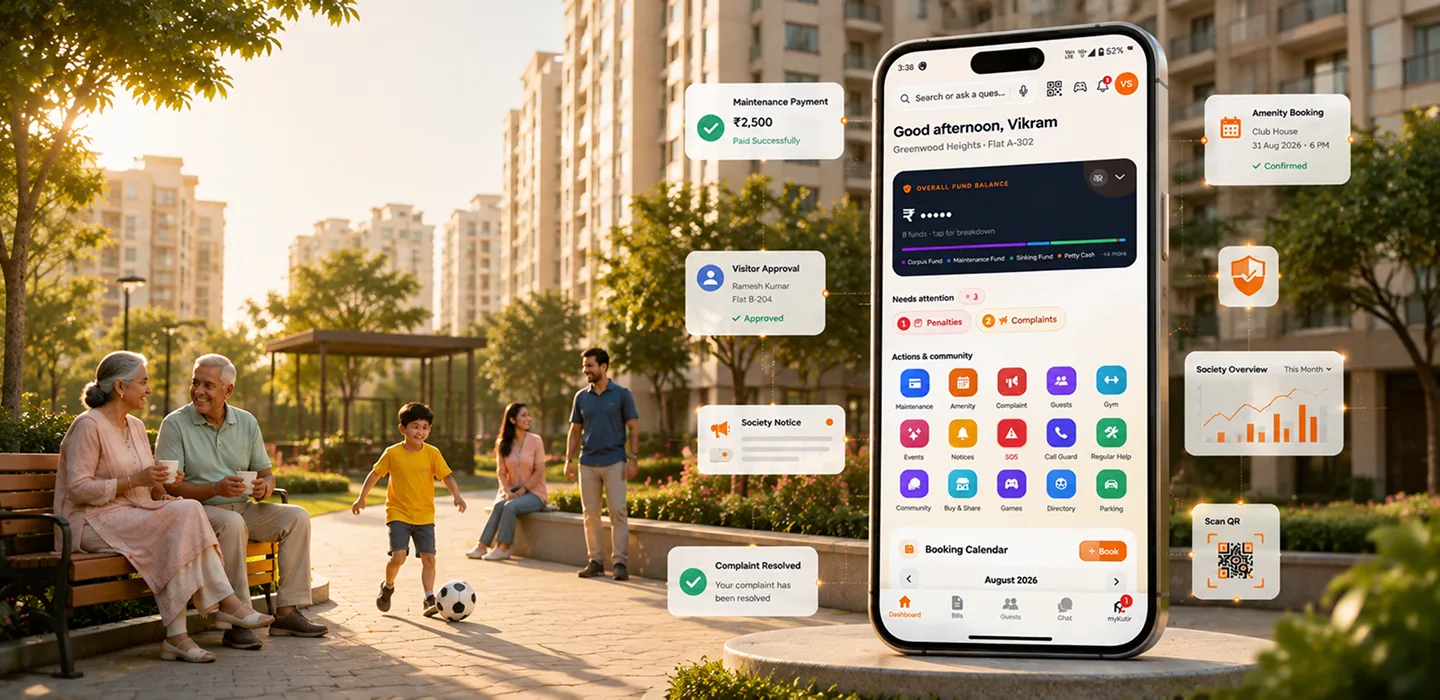
By MyKutir Editorial Team — 2026-09-19
Discover the ultimate guide to managing housing societies effectively with ERP systems, enhancing efficiency and communication.
In the realm of housing society management, efficiency and transparency are critical for smooth operations. As housing societies grow in size and complexity, managing various functions through traditional means can become cumbersome and error-prone. This is where Enterprise Resource Planning (ERP) systems come into play. ERP systems are integrated software platforms that streamline various operations, offering a centralized system for data management and communication. By adopting ERP solutions, housing societies can achieve greater efficiency, reduce errors, and enhance member satisfaction.
ERP systems serve as a backbone for housing society management by integrating multiple functions such as billing, accounting, visitor management, and communication into a single platform. Centralized data management allows for seamless access to information, which enhances decision-making and reduces administrative overhead. Automation of routine tasks, such as generating monthly maintenance bills or managing visitor logs, saves time and minimizes the potential for human error. Moreover, improved communication through ERP systems ensures that all stakeholders are well-informed and can collaborate effectively.
Understanding ERP Systems in Society Management
Enterprise Resource Planning (ERP) systems have become pivotal in modern housing society management, offering a comprehensive solution to handle various administrative and operational tasks efficiently. These systems are designed to centralize and automate key processes, thereby improving the overall functionality and communication within the society.
One of the primary roles of ERP systems is to centralize data management. All information regarding residents, financial transactions, maintenance activities, and more are stored in a single, unified database. This eliminates the need for maintaining disparate spreadsheets or physical records, which can be prone to errors and inconsistencies. Centralization ensures that data is easily accessible, up-to-date, and can be analyzed for better decision-making.
Automation is another significant benefit of ERP systems in housing societies. Routine tasks such as generating billing invoices, recording payments, and scheduling maintenance activities are automated, allowing for consistent execution without manual intervention. This not only saves time for the administrative staff but also reduces the likelihood of errors that can occur with manual processing.
Improved communication is also a crucial aspect of ERP systems. With integrated communication tools, ERP platforms facilitate direct communication between residents, management committees, and service providers. Notifications related to maintenance activities, billing reminders, and community events can be sent directly to residents through the ERP platform, ensuring everyone is informed and engaged.
Moreover, ERP systems provide enhanced reporting capabilities. Detailed reports on financial transactions, maintenance activities, and other critical metrics can be generated with ease. This enables management committees to track performance, identify areas for improvement, and maintain transparency with residents.
Overall, the implementation of an ERP system in a housing society can lead to significant improvements in efficiency, transparency, and resident satisfaction. By centralizing data, automating tasks, and enhancing communication, ERP systems enable societies to operate more smoothly and effectively.
Key Features of ERP Systems for Housing Societies
ERP systems tailored for housing societies come equipped with a variety of features that enhance the management and functioning of these communities. Understanding these features is crucial for societies looking to implement or upgrade their existing systems. Let's explore some of the key features offered by ERP platforms like MyKutir.
Billing and Accounting: One of the most essential features of an ERP system is its ability to manage billing and accounting functions efficiently. ERP systems streamline the process of generating maintenance bills, recording payments, and managing accounts. Residents can view their payment history, receive payment reminders, and make online payments through a secure portal. This not only ensures timely payments but also reduces the administrative burden on the management committee.
Visitor Management: Security is a top priority for any housing society, and visitor management features play a vital role in this regard. ERP systems like MyKutir offer digital logbooks where visitor entries are recorded systematically. Residents can pre-approve guests, and security personnel can record entry and exit digitally, providing a secure and efficient visitor management process.
Complaints and Maintenance Handling: Handling resident complaints and scheduling maintenance activities are made easier with an ERP system. Residents can log complaints through the system, which are then tracked and addressed by the relevant personnel. Maintenance schedules are also managed through the system, ensuring timely and efficient resolution of issues.
Communication Tools: Effective communication is facilitated through integrated tools in ERP systems. Notifications, announcements, and messages can be shared with residents directly through the platform. Whether it’s about upcoming meetings, maintenance schedules, or community events, residents are kept in the loop, fostering a sense of community and engagement.
Document Management: Managing the vast amount of documentation involved in society management is simplified with ERP systems. Important documents such as meeting minutes, financial reports, and legal papers are stored digitally and can be accessed whenever needed. This ensures that documentation is well-organized and easily retrievable.
In summary, ERP systems like MyKutir offer a comprehensive suite of features that address the diverse needs of housing societies. From improving financial management to enhancing communication and security, these systems are indispensable tools for modern society management.
Implementing an ERP System: A Step-by-Step Guide
Implementing an ERP system in a housing society is a significant undertaking that requires careful planning and execution. This step-by-step guide outlines the process to ensure a successful implementation, from choosing the right system to training users and overcoming challenges.
1. Assess Needs and Define Objectives: The first step is to assess the specific needs of the society and define clear objectives for the ERP system. Consider factors such as the size of the society, current management challenges, and desired outcomes. This assessment will guide the selection of the most suitable ERP solution.
2. Choose the Right ERP System: With objectives and needs clearly defined, the next step is to research and evaluate different ERP systems available in the market. Consider factors such as scalability, ease of use, feature set, and vendor support. Conducting demos and involving key stakeholders in the decision-making process can help select the best fit for the society.
3. Plan the Implementation: Once the ERP system is chosen, a detailed implementation plan should be developed. This plan should include timelines, resource allocation, data migration strategies, and risk management. It's crucial to involve both management and residents in the planning phase to ensure alignment and support.
4. Data Migration and System Setup: With the plan in place, the next step is to migrate existing data to the new ERP system. Careful attention must be paid to ensure data accuracy and completeness. System setup involves configuring the software to meet the specific needs of the society, including user roles, permissions, and workflows.
5. Training and Change Management: Training is an essential part of ERP implementation. Both management and residents need to be trained on how to use the new system effectively. Change management strategies should be employed to address resistance and ensure a smooth transition to the new system.
6. Go-Live and Support: After thorough testing, the ERP system is ready to go live. During this phase, it's important to provide robust support to users to address any issues that arise. Establishing a helpdesk or support team can be beneficial.
7. Monitor and Optimize: Post-implementation, the performance of the ERP system should be closely monitored. Collect feedback from users and continuously optimize the system to enhance functionality and user satisfaction.
Implementing an ERP system in a housing society can transform how operations are managed, leading to increased efficiency and satisfaction among residents. By following this structured approach, societies can ensure a successful transition to a more modern and effective management model.
Case Study: Successful ERP System Implementation
To illustrate the transformative impact of ERP systems, let's explore a hypothetical case study of a successful implementation in a housing society. The fictional "Green Acres Housing Society" faced several challenges with their traditional management methods, including inefficient billing processes, communication gaps, and difficulty in tracking maintenance requests.
Green Acres is a mid-sized society with 150 residential units. The management committee decided to implement an ERP system to address their operational challenges. The decision was driven by the need to improve communication between residents and management, automate billing processes, and enhance transparency in financial transactions.
The first step was to assess the society's needs and select a suitable ERP system. After thorough research and evaluation, the committee chose an ERP solution that offered comprehensive billing, visitor management, and communication features. The vendor provided a detailed implementation plan, which included data migration, system setup, and user training.
During implementation, the management committee worked closely with the vendor to ensure a smooth transition. Existing data, including resident information and financial records, was carefully migrated to the new system. The system was configured to reflect the society's specific requirements, such as billing cycles and notification preferences.
Training sessions were conducted for both the management team and residents. The management team received training on system administration and reporting, while residents were educated on how to log complaints, make online payments, and receive notifications through the ERP portal.
The ERP system went live after successful testing. The transition was well-received by residents, who appreciated the convenience of online bill payments and the ability to track maintenance requests in real-time. Communication improved significantly, with residents receiving timely updates and notifications about society events and activities.
Within months of implementation, Green Acres experienced a noticeable improvement in operational efficiency. Billing processes became more streamlined, reducing the workload on the management team. Maintenance requests were handled promptly, leading to increased resident satisfaction. The management committee reported better financial transparency and accountability, building trust and confidence among residents.
This case study exemplifies the positive impact that a well-implemented ERP system can have on a housing society, enhancing efficiency, transparency, and community engagement.
Comparison: ERP Systems vs. Traditional Management Methods
To understand the advantages of ERP systems over traditional management methods, it is helpful to compare the two approaches in terms of efficiency, accuracy, and user experience. The table below outlines key differences between ERP systems like MyKutir and traditional methods such as Excel spreadsheets and manual logs.
| Aspect | ERP Systems | Traditional Methods |
|---|---|---|
| Data Management | Centralized, automated, and easily accessible | Dispersed across multiple files and locations, prone to duplication |
| Billing and Payments | Automated billing, online payment options | Manual billing, often reliant on offline payments |
| Communication | Integrated communication tools for real-time updates | Manual notices, meetings, emails, or WhatsApp groups |
| Visitor Management | Digital logbooks with pre-approval and tracking | Manual log entries, less secure and efficient |
| Maintenance Requests | Automated tracking and resolution workflow | Manual tracking and often delayed response |
From the comparison, it's clear that ERP systems offer significant advantages over traditional methods. The centralized data management of ERP systems ensures information is consistent and easily accessible. Automated billing and online payment features streamline financial processes, reducing the administrative burden on management committees and enhancing convenience for residents.
Communication within the society is vastly improved with ERP systems, allowing real-time updates and notifications without the need for separate communication channels. This integrated approach fosters a more cohesive community environment and ensures important information is delivered promptly to all residents.
Visitor management is more secure and efficient with digital logbooks, which provide accurate records and enhance security protocols. Maintenance requests are tracked and resolved more efficiently, leading to increased resident satisfaction.
Overall, ERP systems offer a more efficient, accurate, and user-friendly approach to managing housing societies compared to traditional methods. By leveraging technology, societies can optimize their operations, reduce errors, and improve the overall living experience for residents.
Common Mistakes When Implementing ERP Systems
Implementing an ERP system can significantly enhance the management of a housing society; however, the process is not without potential challenges. Recognizing common mistakes and understanding how to avoid them can facilitate a smoother transition and maximize the benefits of the new system.
1. Insufficient Planning: One of the most common mistakes in ERP implementation is inadequate planning. Without a clear roadmap, societies may encounter issues during data migration, system configuration, and user training. To avoid this, societies should establish a detailed implementation plan that outlines timelines, responsibilities, and resources needed for each phase.
2. Choosing the Wrong ERP System: Selecting an ERP system that does not align with the society’s specific needs can lead to frustration and inefficiencies. It is vital to thoroughly evaluate potential systems, considering factors like scalability, feature set, and vendor support. Conducting demos and involving stakeholders in the decision-making process can help ensure the right choice is made.
3. Inadequate Data Migration: Data migration is a critical step in ERP implementation, but rushing this process can result in data loss or inaccuracies. Societies must ensure data is thoroughly cleaned and validated before migration. It is advisable to perform test migrations to identify any potential issues before the full implementation.
4. Lack of Training: Without proper training, users may struggle to use the new ERP system effectively, leading to underutilization and resistance. Providing comprehensive training sessions for both management and residents is crucial. Ongoing support and refresher training can further enhance user confidence and adoption.
5. Ignoring Change Management: Implementing an ERP system involves significant change, and resistance from users is a common challenge. Societies should employ change management strategies to address concerns, communicate the benefits of the new system, and engage users throughout the process. Creating a sense of ownership and involvement can facilitate acceptance and reduce resistance.
6. Neglecting Post-Implementation Support: The implementation process doesn’t end once the system is live. Ongoing support is essential to address any issues, optimize system performance, and incorporate user feedback. Establishing a dedicated support team or helpdesk can ensure timely assistance and continuous improvement.
By recognizing and addressing these common mistakes, housing societies can navigate the complexities of ERP implementation more effectively. Proper planning, thorough training, and ongoing support are key to realizing the full potential of an ERP system and enhancing the overall management of the society.
Optimizing ERP Systems for Continuous Improvement
Implementing an ERP system is only the beginning of a journey toward enhanced society management. To fully leverage an ERP system, societies must focus on continuous improvement through regular updates, training, and feature utilization. These strategies ensure the system remains effective and aligned with the society's evolving needs.
Regular Updates: ERP systems, like any technology, require regular updates to maintain optimal performance and security. Vendors often release updates that introduce new features, improve existing functionalities, and address security vulnerabilities. Societies should have a process in place to regularly review and implement these updates to ensure their system is up-to-date and secure.
Ongoing Training: Continuous training is essential for maximizing the benefits of an ERP system. As new features are introduced and existing ones refined, providing ongoing training sessions helps users stay informed and proficient. Additionally, training new residents and committee members ensures that all users are familiar with the system and can use it effectively.
Feature Utilization: ERP systems offer a wide range of features, and it's crucial for societies to utilize them fully. Conducting regular assessments of the system's usage can identify underutilized features and areas for improvement. Encouraging users to explore and use different functionalities can enhance operational efficiency and resident satisfaction.
Feedback Mechanism: Establishing a robust feedback mechanism enables societies to gather insights from users about their experiences with the ERP system. This feedback can be used to identify pain points, areas needing improvement, and opportunities for new feature implementation. Engaging residents and management in this process fosters a collaborative environment and ensures that the system continues to meet the community's needs.
Performance Monitoring: Regularly monitoring the performance of the ERP system ensures it operates smoothly and efficiently. Key performance indicators (KPIs) can be established to measure factors such as system uptime, response times, and user satisfaction. Monitoring these metrics helps identify potential issues and areas for optimization.
By focusing on continuous improvement, housing societies can keep their ERP systems aligned with their goals and needs. Regular updates, ongoing training, and proactive performance monitoring ensure that the system remains an invaluable asset for efficient and effective society management.
Frequently Asked Questions about Society ERP Systems
Understanding the intricacies of ERP systems can be challenging for residents and society committees. Here, we address some frequently asked questions to provide clarity on key aspects of ERP systems in housing societies.
What is an ERP system and how is it used in society management? An ERP (Enterprise Resource Planning) system is an integrated software solution that centralizes and automates various management functions within a housing society. It is used for managing tasks such as billing, accounting, visitor management, and communication, providing a unified platform for efficient operations and decision-making. By consolidating data and processes into a single system, ERP systems enhance transparency, reduce administrative workload, and improve communication among residents and management.
How does using an ERP system benefit a housing society? ERP systems offer numerous benefits for housing societies, including improved efficiency, transparency, and resident satisfaction. By automating routine tasks like billing and payment processing, societies can reduce manual errors and administrative workload. Centralized data management ensures accurate and up-to-date information is readily accessible, aiding in better decision-making. Enhanced communication features facilitate timely updates and engagement with residents, fostering a cohesive community environment. Overall, ERP systems streamline operations, leading to a more effective and satisfying living experience for residents.
What are the steps involved in implementing an ERP system? Implementing an ERP system involves several key steps, starting with assessing the society's needs and defining objectives. The society then selects a suitable ERP system based on scalability, features, and vendor support. A detailed implementation plan is developed, covering timelines, data migration, and training. After configuring the system to meet specific requirements, training sessions are conducted for both management and residents. The system is then tested and goes live, with ongoing support provided to address any issues. Post-implementation, continuous monitoring and optimization ensure the system remains effective and aligned with society's needs.
What common mistakes should be avoided during ERP implementation? Common mistakes in ERP implementation include insufficient planning, choosing the wrong system, inadequate data migration, lack of training, ignoring change management, and neglecting post-implementation support. Societies can avoid these pitfalls by establishing a clear implementation plan, thoroughly evaluating and selecting the right system, ensuring data accuracy during migration, providing comprehensive training, employing change management strategies, and offering ongoing support. Addressing these potential challenges proactively can facilitate a smooth transition and maximize the benefits of the ERP system.
How can an ERP system improve communication within a housing society? ERP systems improve communication within housing societies by providing integrated tools for sharing information and updates. Notifications, announcements, and messages can be sent directly through the ERP platform, ensuring residents receive timely and accurate information. This eliminates the need for separate communication channels and reduces the risk of miscommunication. By fostering consistent and efficient communication, ERP systems enhance resident engagement, build trust, and promote a more connected community environment.
What trends are emerging in ERP systems for housing societies? Several emerging trends in ERP systems can impact society management, including the integration of artificial intelligence (AI), predictive analytics, and enhanced mobile access. AI can automate routine tasks, provide insights through data analysis, and improve decision-making. Predictive analytics helps societies anticipate maintenance needs and optimize resource allocation. Enhanced mobile access allows residents and management to interact with the system conveniently via smartphones, improving accessibility and user experience. These trends enhance the functionality and efficiency of ERP systems, making them even more valuable tools for society management.
Are ERP systems secure for housing societies to use? Security is a top priority for ERP systems used in housing societies. Reputable ERP vendors implement robust security measures, including data encryption, secure access controls, and regular security updates, to protect sensitive information. Societies can further enhance security by establishing clear access permissions, using strong authentication methods, and providing security awareness training for users. While no system can be entirely immune to security threats, following best practices and collaborating with trusted vendors can significantly mitigate risks and ensure a secure environment for society management.
How adaptable are ERP systems to different sized societies? ERP systems are designed to be highly adaptable and scalable, making them suitable for societies of varying sizes and complexities. They can be customized to meet specific needs, allowing smaller societies to start with essential features and expand their usage as they grow. Scalability ensures that the system can accommodate an increasing number of residents, units, and management functions without compromising performance. This adaptability makes ERP systems a versatile and valuable solution for managing diverse housing societies effectively.
Future Trends in Society Management with ERP
The landscape of society management is continually evolving, with technology playing an increasingly significant role in enhancing operational efficiency and resident satisfaction. ERP systems are at the forefront of this transformation, and several future trends are poised to shape their evolution and impact on society management.
1. Integration of Artificial Intelligence (AI): AI integration is an emerging trend in ERP systems, offering opportunities to automate routine tasks, enhance decision-making, and provide insights through data analysis. AI-powered tools can help societies predict maintenance needs, optimize resource allocation, and even automate responses to common resident inquiries. This integration can significantly boost the efficiency and effectiveness of society management.
2. Predictive Analytics: Predictive analytics is becoming increasingly valuable in ERP systems, offering societies the ability to anticipate and address issues before they arise. By analyzing historical data, predictive analytics can help management committees identify patterns and trends, such as peak maintenance periods or potential financial shortfalls. This proactive approach enables societies to allocate resources more efficiently and improve long-term planning.
3. Enhanced Mobile Access: As mobile technology continues to advance, ERP systems are increasingly offering enhanced mobile access, allowing residents and management to interact with the system on-the-go. Mobile apps provide convenient access to features such as bill payments, maintenance requests, and communication tools, improving accessibility and user experience. This trend aligns with the growing expectation for flexibility and convenience in digital interactions.
4. IoT Integration: The Internet of Things (IoT) is another trend that could impact ERP systems in housing societies. IoT devices, such as smart meters and sensors, can be integrated with ERP systems to provide real-time data on resource consumption, security, and maintenance needs. This integration enables societies to monitor operations more closely, reduce costs, and enhance security measures.
5. Cloud-Based Solutions: Cloud-based ERP systems offer scalability, flexibility, and cost-effectiveness, making them an attractive option for housing societies. These solutions eliminate the need for on-premises infrastructure, reducing costs and simplifying maintenance. The cloud also offers enhanced security features and data backup options, providing added peace of mind for societies.
As ERP systems continue to evolve, these trends will enhance their capabilities and offer housing societies even more robust tools for effective management. By staying informed and adapting to these trends, societies can ensure they remain at the forefront of modern management practices, delivering improved experiences for residents and management alike.
Key Takeaways
- ERP systems offer centralized data management, automation of routine tasks, and improved communication, transforming society management.
- Key features of ERP systems for housing societies include billing, visitor management, complaints handling, and communication tools.
- Implementing an ERP system involves careful planning, selecting the right system, and providing comprehensive training for users.
- Common mistakes in ERP implementation include poor planning, inadequate data migration, and lack of training, which can be avoided with proper strategies.
- Continuous improvement of ERP systems is essential, focusing on regular updates, ongoing training, and feature utilization.
- Emerging trends such as AI integration, predictive analytics, and enhanced mobile access are shaping the future of ERP systems.
- ERP systems are secure and adaptable solutions suitable for societies of different sizes and complexities.