Maximizing Your Housing Society's Amenities: A Resident's Guide
By MyKutir Editorial Team — 2026-08-07
Discover tips and strategies for residents to maximize the use and management of housing society amenities for a better community experience.
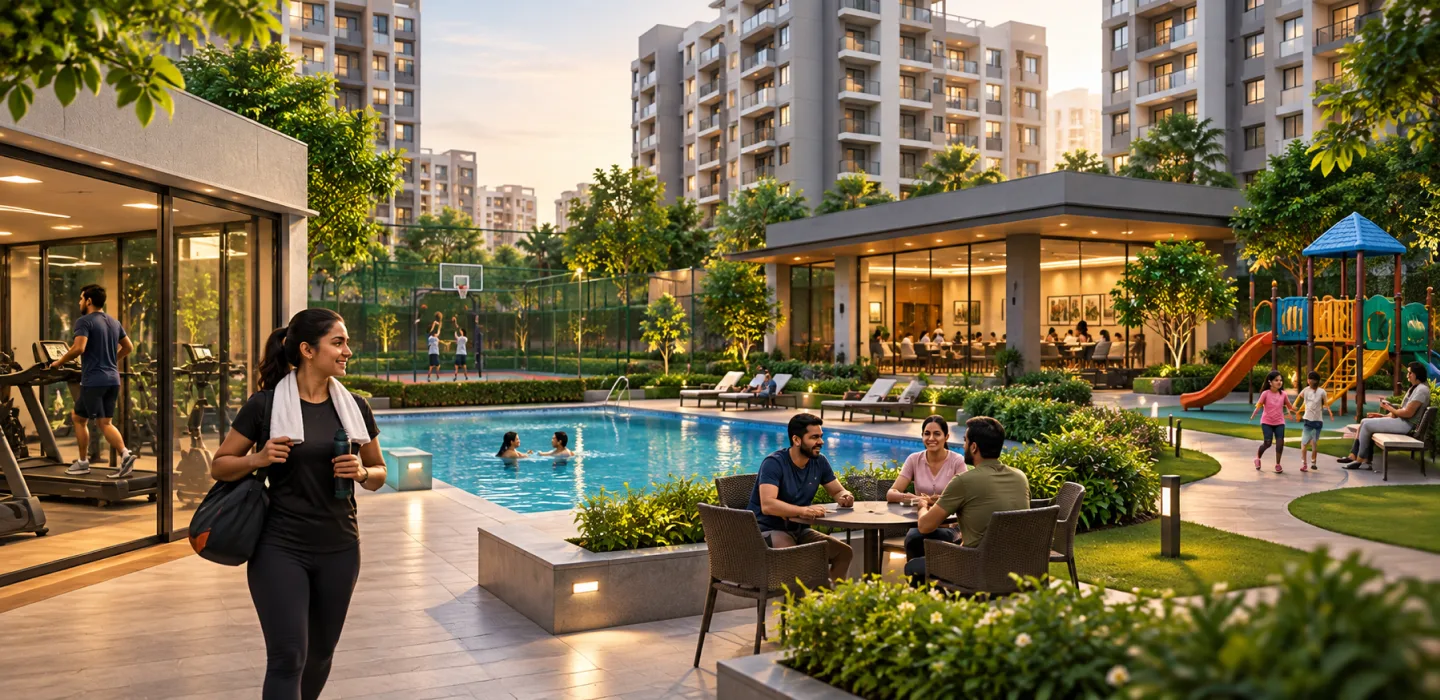
Living in an Indian housing society offers residents access to a variety of amenities that enhance the quality of life and foster a strong sense of community. From swimming pools and gyms to parks and community halls, these amenities provide comfort, recreation, and leisure right at one's doorstep. In urban settings where personal space is a luxury, society amenities act as an extension of the residents' homes, offering spaces for relaxation and socialization.
Amenities like swimming pools and gyms are not just about fitness; they also promote wellness among residents by encouraging regular physical activity. Parks and green spaces provide the much-needed respite from the concrete jungles of cities, offering places for quiet contemplation, walking, or children's play. Community halls become the epicenter of social interactions, hosting events and celebrations that bring residents together, fostering community spirit and camaraderie.
The importance of these amenities goes beyond recreational value. They play a crucial role in enhancing the living environment and increasing the overall value of the property. A well-maintained pool or a state-of-the-art gym can significantly boost the attractiveness of a housing society for potential buyers or renters, potentially raising property values.
Moreover, amenities serve as the backdrop for community building. Regular interactions in these common spaces help break the ice between neighbors, leading to robust social connections. In a society where work and family commitments often overshadow socializing, housing society amenities offer structured and informal opportunities for residents to build relationships, share experiences, and create a supportive community network.
How Housing Society Amenities Are Managed
The effective management of amenities in a housing society is essential to ensure that they remain in good condition and are accessible to all residents. Typically, the responsibility for amenity management lies with the society's management committee. This committee, often elected by the residents, is tasked with overseeing the maintenance, scheduling, and overall operation of the amenities.
Management committees usually consist of a president, secretary, treasurer, and additional members who take on specific responsibilities. Their duties include budgeting for maintenance, scheduling usage times, and addressing resident complaints. Regular meetings held by the committee serve as a platform for discussing amenity-related issues and planning for future improvements.
In recent times, digital platforms like MyKutir have emerged as valuable tools to streamline amenity management processes. These platforms offer features that simplify tasks such as booking amenities, tracking maintenance schedules, and collecting resident feedback. By providing a centralized hub for all amenity-related activities, platforms like these reduce the administrative burden on committee members and enhance transparency and accountability.
Residents themselves also play a vital role in the management of amenities. They can participate by adhering to usage rules, reporting maintenance issues promptly, and engaging in community feedback sessions. Active resident involvement ensures that amenities meet the community's needs and are utilized efficiently.
Overall, effective management of housing society amenities requires collaboration between the management committee and residents. Together, they can ensure that these facilities remain assets to the community, enhancing the living experience for everyone involved.
Strategies for Residents to Maximize Amenity Use
To fully benefit from the amenities available in a housing society, residents need to adopt proactive strategies for their usage. One practical approach is to be well-informed about the amenities available and their respective usage guidelines. Familiarizing yourself with the amenity schedule can help you plan your visits during less congested times, ensuring a more enjoyable experience.
Participating in community events held at these facilities is another excellent way to maximize amenity use. These events not only provide a chance to engage in group activities but also offer opportunities to socialize and build relationships with fellow residents. Whether it's a yoga class in the park, a swimming competition in the pool, or a potluck dinner in the community hall, participating in these events enriches your community life.
Providing feedback to the management committee is an essential, yet often overlooked, strategy. Constructive feedback helps the committee understand resident satisfaction and areas that need improvement. Engaging in regular feedback sessions or surveys can lead to enhancements that align amenities more closely with residents' preferences.
Additionally, residents can take personal initiatives to organize informal activities. Forming interest-based groups, such as a jogging club, a book reading group, or a gardening team, can ensure that amenities like parks and community rooms are utilized extensively.
By adopting these strategies, residents can not only enhance their personal experience but also contribute positively to the community atmosphere. Being an active participant in the usage and management of society amenities translates to better upkeep and more meaningful community engagement.
Common Challenges in Amenity Management
Managing amenities in a housing society comes with its own set of challenges. One common issue is the overbooking of popular amenities, such as the swimming pool or gym, particularly during peak hours. This can lead to frustration among residents who find it difficult to secure booking slots. To address this, societies can implement a booking system that limits usage to specific durations, ensuring fair access for all.
Maintenance delays also pose a significant challenge. Amenities require regular upkeep to remain functional and safe. Delays in maintenance can result in prolonged downtime, affecting resident satisfaction. To mitigate this, societies should establish a routine maintenance schedule and have a responsive team to handle urgent repairs promptly.
Disputes over usage rules are another common challenge. Conflicts may arise if residents feel that the rules are not being enforced equitably. Clear communication of guidelines and consistent enforcement by the management committee can help prevent such disputes.
Platforms like MyKutir can assist in alleviating some of these challenges by offering structured booking systems and maintenance tracking. However, digital solutions should complement, not replace, human oversight. Regular communication between the management committee and residents is crucial to address concerns and adjust policies as needed.
By proactively identifying and addressing these challenges, housing societies can ensure that their amenities remain positive assets that enhance the community's quality of life.
Comparison: Manual vs. Digital Amenity Management
The shift from manual to digital amenity management has transformed the way housing societies operate, offering numerous benefits over traditional methods. Below is a comparison table highlighting key differences between these two approaches:
| Aspect | Manual Management | Digital Management |
|---|---|---|
| Booking Process | Physical logbooks or paper forms, prone to human error and double bookings. | Online booking systems like MyKutir, allowing real-time availability and confirmations. |
| Accessibility | Booking and information limited to office hours, requiring in-person visits. | 24/7 access via mobile apps or web portals, enabling remote booking and management. |
| Transparency | Limited visibility into booking schedules and maintenance status. | Enhanced transparency with real-time updates and notifications for residents. |
| Maintenance Tracking | Reactive approach, often reliant on manual reporting of issues. | Proactive tracking with automated alerts and scheduled maintenance reminders. |
| Feedback Collection | Informal, through meetings or suggestion boxes, often not systematically recorded. | Structured feedback mechanisms with surveys and digital forms. |
While digital management provides clear advantages in efficiency and convenience, successful implementation depends on residents' adaptation to new technologies. Societies should provide adequate training and support to ensure a smooth transition from manual to digital systems.
Scenario: A Day in the Life of a Resident Using Amenities
Imagine waking up in your housing society with a full day ahead. As you enjoy breakfast, you glance at your phone, opening the MyKutir app to check the availability of the gym. With a few taps, you book an hour-long slot, ensuring your daily workout is on schedule.
Post-workout, you decide to take a leisurely stroll in the society park. The lush greenery and well-maintained pathways offer a serene escape from the bustling city life. As you walk, you bump into a neighbor, and a casual chat leads to plans for a community picnic over the weekend.
Later in the day, you attend a yoga session in the community hall, organized by a resident-led wellness group. The session is invigorating, and the shared experience with fellow residents adds a sense of belonging and camaraderie.
In the evening, the swimming pool becomes your haven. With the MyKutir app, you had earlier secured a pre-dinner swim slot. The refreshing dip revitalizes you, and you feel grateful for the convenience and accessibility of such amenities.
Before retiring for the night, you use the app to give feedback on the new yoga mats provided in the community hall. You appreciate the management's initiative and suggest adding more sessions to accommodate working professionals.
This illustrative day showcases how planned and informed use of amenities can significantly enhance your living experience in a housing society. By leveraging technology and being an active community member, the amenities transform from mere facilities to integral parts of your daily life.
Step-by-Step Guide to Booking Amenities
Booking amenities in a housing society should be a hassle-free process. Here's a detailed guide to help you navigate through booking your desired amenity using a platform like MyKutir:
- Access the Platform: Begin by logging into the MyKutir portal. For first-time users, this involves a simple registration process using your resident credentials to gain access to the society's digital platform.
- Select the Amenity: Once logged in, navigate to the amenities section. Here, you'll find a list of available facilities such as the gym, swimming pool, community hall, and more. Select the amenity you'd like to book.
- Check Availability: The platform will display a calendar view with available time slots for your selected amenity. Real-time availability ensures you can choose a time that suits your schedule without conflicts.
- Make a Booking: After selecting an available slot, proceed to book by confirming your choice. The platform may require you to agree to terms of use and responsibilities related to the amenity.
- Receive Confirmation: Upon successful booking, you'll receive a confirmation notification through the app, email, or SMS. This notification is your proof of booking and may be required for entry to the facility.
- Cancel or Modify (if needed): Should your plans change, the platform allows you to cancel or modify your booking, providing flexibility and ensuring others can utilize the time slot.
By following these steps, residents can efficiently manage their amenity usage, ensuring a smooth and streamlined experience.
FAQs About Housing Society Amenities
What amenities are typically available in a housing society?
In an Indian housing society, residents can expect a range of amenities designed to enhance their lifestyle and provide convenience. These typically include fitness facilities such as gyms and swimming pools, recreational spaces like parks and children's play areas, and social venues such as community halls and clubhouses. Many societies also offer specialized amenities like indoor sports courts, jogging tracks, and libraries. The availability of specific amenities can vary widely depending on the society's size, location, and overall design plan.
How can I book a society amenity?
Booking a society amenity involves accessing the management platform designated by your housing society, such as MyKutir. You'll need to log in using your resident credentials and navigate to the amenities section. From there, you can check the real-time availability of various facilities and select the time slot that best fits your schedule. Once you confirm your choice, you'll receive a booking confirmation. This system ensures fairness, transparency, and convenience for all residents.
What should I do if an amenity is not properly maintained?
If you notice that an amenity is not being properly maintained, it is crucial to report it to the management committee as soon as possible. This can typically be done through the society's management platform or directly by contacting committee members. Providing detailed feedback about the specific issues will assist the maintenance team in addressing the problem promptly. Active reporting and communication are key to ensuring all facilities remain in optimal condition for community use.
How do digital platforms improve amenity management?
Digital platforms significantly enhance amenity management by providing a streamlined, efficient, and transparent booking process. These platforms offer real-time updates on amenity availability, automate scheduling, and provide reminders for maintenance tasks. They also facilitate easy communication between residents and the management committee, allowing for structured feedback collection and quick dissemination of important information. Overall, digital platforms reduce administrative burdens and improve the overall resident experience.
Can residents propose new amenities or changes?
Yes, residents are usually encouraged to propose new amenities or suggest changes to existing ones. This can be done by participating in committee meetings or through formal suggestion channels provided by the management, such as feedback forms or digital forums on the society's management platform. Proposals are typically discussed and evaluated based on feasibility, budget considerations, and overall community interest before any decisions are made.
What are the rules for using society amenities?
Amenity usage rules vary from society to society and are generally outlined in the society's bylaws or guidelines. Common rules include adhering to booking schedules, maintaining cleanliness, respecting time limits, and following safety protocols. Breaches of these rules can lead to penalties or restricted access, emphasizing the importance of compliance and respectful usage for the benefit of all residents.
How does feedback from residents affect amenity policies?
Resident feedback plays a vital role in shaping amenity policies. Regularly collected through surveys, feedback sessions, or digital forms, it allows the management committee to gauge satisfaction levels and identify areas needing improvement. Constructive feedback can lead to adjustments in operating hours, maintenance schedules, and even future amenity enhancements, ensuring policies remain responsive to the community's evolving needs.
Encouraging a Community-Centric Approach to Amenities
Adopting a community-centric approach to managing housing society amenities can greatly enhance the shared living experience. By encouraging residents to actively participate in amenity management and decision-making processes, societies can create a more inclusive and harmonious environment.
Residents should be encouraged to join or form committees that focus on specific amenities, such as a gardening club for park maintenance or a wellness committee for gym management. This not only promotes a sense of ownership but also leverages the diverse skill sets and interests of community members for collective betterment.
Organizing regular feedback sessions and surveys allows residents to voice their opinions and suggestions, ensuring that the amenities align with the community's needs and interests. These sessions should be well-publicized and accessible to all, fostering transparency and inclusivity in decision-making.
Community-driven initiatives, such as organizing events and activities that utilize society amenities, can further strengthen social bonds. These events provide opportunities for residents to interact, share cultures, and build friendships, fostering a sense of belonging and mutual respect.
Moreover, a community-centric approach encourages collaboration in amenity maintenance. Residents can support the management committee by volunteering for clean-up drives, reporting issues promptly, and adhering to usage rules, ensuring amenities remain in excellent condition for everyone's enjoyment.
Ultimately, when residents work together with a shared vision, housing societies can transform from mere residential complexes into vibrant, inclusive communities where amenities not only enrich individual lives but also strengthen communal ties.
Key Takeaways
- Housing society amenities like swimming pools, gyms, and community halls enhance quality of life and foster community spirit.
- Effective amenity management involves collaboration between the management committee and residents, supported by digital platforms like MyKutir.
- Residents can maximize amenity use by staying informed, participating in community events, and providing constructive feedback.
- Common challenges in amenity management include overbooking and maintenance delays, which can be mitigated through proactive strategies.
- A shift from manual to digital management offers significant improvements in efficiency, accessibility, and transparency.
- Planning and informed usage of amenities can significantly enhance the daily living experience of residents.
- Residents are encouraged to actively participate in amenity management and propose improvements to align facilities with community needs.