Implementing a Digital Gate Pass in Residential Communities: An Ultimate Guide
By MyKutir Editorial Team — 2026-09-22
This ultimate guide explains how residential communities can implement a digital gate pass, enhancing security and visitor management.
In Indian residential communities, managing visitor access is a critical aspect of maintaining security and operational efficiency. Traditionally, this process involved manual logbooks and physical gate passes, which, while functional, often fell short in terms of both security and efficiency. Enter the digital gate pass system—a modern, technology-driven approach that not only enhances security but also streamlines the entire visitor management process. These systems enable residents to pre-authorize visitors through digital means, allowing for quick and secure access at the gate. This approach not only enhances security by ensuring that only authorized individuals are granted access, but also improves the operational efficiency of residential communities by digitizing and automating visitor tracking.
Digital gate pass systems operate through a combination of mobile applications, cloud-based platforms, and on-site hardware. Residents can use an app to approve or deny visitor access, while guards at the gate utilize tablets or smartphones to verify the digital gate passes. This system reduces the chance of unauthorized access, as every entry is logged digitally in real-time. Moreover, these systems seamlessly integrate with existing security and management infrastructures, including intercom systems and surveillance cameras, to provide a holistic view of all access points within a community.
In this guide, we will explore the advantages of digital gate pass systems, the mechanics behind their operation, the steps to implement them, and the common challenges you may face along the way. We will also provide a real-life scenario of a medium-sized community implementing such a system, answer some frequently asked questions, and look at future trends in digital gate pass technology.
Benefits of Digital Gate Pass in Residential Communities
Implementing a digital gate pass system in residential communities offers a multitude of benefits that go beyond simple visitor management. First and foremost, these systems significantly enhance security. By replacing manual logbooks with digital records, communities can ensure that all visitor data is accurately recorded and easily retrievable. This makes it easier to track who is entering and exiting the premises, reducing the risk of unauthorized access.
Another major advantage is the increased convenience for both residents and visitors. Residents can effortlessly authorize entry via a mobile app, eliminating the need for phone calls or in-person approvals. Visitors, in turn, benefit from a smoother entry process, as they are pre-approved and can bypass lengthy wait times at the gate. This convenience factor is particularly appealing in today's fast-moving world, where efficiency is key.
Moreover, digital gate pass systems improve community management by providing detailed analytics and reports. Community managers can access real-time data on visitor patterns, peak visitation times, and more, enabling them to make informed decisions about resource allocation and security measures. This data-driven approach not only enhances security but also improves overall operational efficiency.
Financially, while there is an initial investment involved in implementing a digital gate pass system, the long-term savings on labor costs (due to reduced manual work) and potential liability (resulting from improved security) can make it a cost-effective solution. Additionally, these systems contribute to a more environmentally friendly operation by reducing the need for paper-based records and physical passes.
Finally, digital gate pass systems can seamlessly integrate with other community management solutions, creating a unified platform for security, maintenance, and communication. This holistic approach to community management ultimately leads to a more secure, well-functioning, and harmonious living environment for all residents.
How Digital Gate Pass Systems Work
The mechanics behind digital gate pass systems are both innovative and user-friendly, designed to simplify the process of visitor management while enhancing security. At the core of these systems is the seamless interaction between residents, visitors, and security personnel, facilitated by advanced technology.
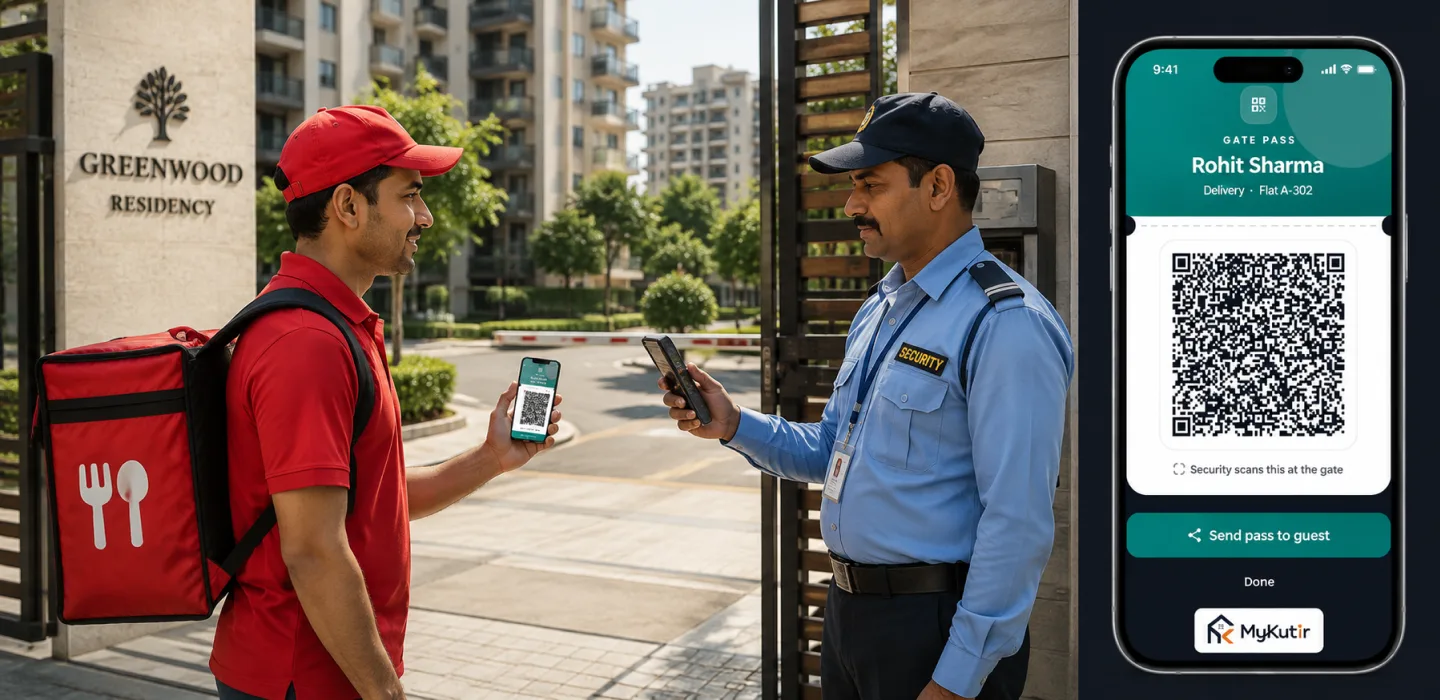
Residents primarily interact with the digital gate pass system through a mobile application. This app, which is typically part of a broader community management platform like Features, allows residents to pre-authorize visitor access, either in real-time or through scheduled entries. The process involves sending a digital pass – often a QR code or a unique entry code – to the visitor’s smartphone, which can then be presented at the gate upon arrival.
At the gate, security personnel are equipped with tablets or smartphones that are integrated with the digital gate pass system. When a visitor arrives, the guard scans the QR code or enters the unique code into the system to verify the visitor’s identity and authorization. This process not only speeds up the entry procedure but also ensures that only authorized individuals gain access, as every entry is digitally logged and monitored.
Behind the scenes, digital gate pass systems utilize cloud-based platforms to store and manage data. This not only facilitates real-time updates and access to information but also allows for integration with existing security systems, such as CCTV surveillance and intercoms, enhancing the community’s overall security infrastructure.
Furthermore, many digital gate pass systems now incorporate advanced AI features, such as facial recognition, to enhance security further. These features can automatically verify a visitor’s identity, adding an extra layer of security to the entry process. The system's ability to learn and adapt over time, analyzing patterns and predicting potential security threats, is a game-changer for residential communities.
All these technological advancements contribute to a more robust and efficient visitor management system, ensuring peace of mind for residents and community managers alike.
Steps to Implement a Digital Gate Pass System
Implementing a digital gate pass system in a residential community is a multi-step process that requires careful planning and execution. Here’s a step-by-step guide to help you navigate through this implementation effectively.
1. Assess Current Needs and Infrastructure: Before diving into the implementation, it’s crucial to assess your community’s current visitor management process, identifying strengths and weaknesses. Evaluate your existing infrastructure, such as internet connectivity and security personnel readiness, to ensure that it can support a digital system.
2. Research and Select a Vendor: Not all digital gate pass systems are created equal, so it’s important to research and select a vendor that meets your community’s specific needs. Factors to consider include the system’s features, ease of use, integration capabilities with existing systems, and customer support. Engaging with vendors like Support can provide insight into their service quality and reliability.
3. Plan Integration with Current Systems: Ensure that the chosen digital gate pass system can be seamlessly integrated with your community’s current security and management systems. This might involve technical integration with intercoms, CCTV, and other security devices. Confirm that the vendor provides comprehensive support for integration.
4. Train Security Staff and Residents: Training is crucial for successful implementation. Conduct training sessions for security staff to familiarize them with the new system and its operations. Similarly, educate residents about how to use the mobile app and the benefits of the new system.
5. Test and Launch the System: Before fully rolling out the system, conduct a test phase to identify any potential issues or bugs. This testing should involve real-time usage by residents and guards to ensure the system functions smoothly. Gather feedback and make necessary adjustments before the official launch.
6. Monitor and Optimize: After implementation, continuously monitor the system’s performance. Use data analytics to identify areas for improvement and optimize the system’s functionality over time. Regular updates and maintenance will ensure the system remains efficient and secure.
By following these steps, residential communities can successfully implement a digital gate pass system that enhances security, improves operational efficiency, and provides a better experience for both residents and visitors.
Common Challenges and How to Overcome Them
While digital gate pass systems offer numerous benefits, their implementation can come with certain challenges. Understanding these potential hurdles and knowing how to overcome them is essential for a smooth transition.
Resistance to Change: One of the most common challenges is resistance from residents and staff who are accustomed to traditional methods of visitor management. To overcome this, it’s important to communicate the benefits of the new system clearly. Highlight improvements in security and convenience, and provide demonstrations to showcase how user-friendly the system is. Conducting workshops and Q&A sessions can also help alleviate concerns and encourage acceptance.
Technical Issues: Technical glitches can arise during the initial implementation phase. To mitigate this, ensure your community’s infrastructure is compatible with the new system. Work closely with your vendor to address any integration issues promptly and ensure robust technical support is available. Regular system checks and maintenance can help prevent technical disruptions in the long run.
Data Privacy Concerns: Digital systems inherently handle personal data, which can raise privacy concerns among residents. To build trust, emphasize the system’s data protection measures, such as encryption and secure cloud storage. Transparency about how data is used and stored can help reassure residents. Additionally, ensure that the system complies with applicable data protection regulations and best practices.
Initial Costs: The upfront cost of purchasing and implementing a digital gate pass system can be a barrier for some communities. To address this, focus on the long-term savings and benefits, such as reduced labor costs and improved security, which can offset the initial investment. Additionally, some vendors may offer flexible payment plans or discounts for bulk purchases, making the system more financially accessible.
User Adoption: Ensuring that all residents and security staff adopt the new system is crucial. Engage residents early in the process, seeking their input and feedback to tailor the system to the community’s needs. Provide comprehensive training and support to ensure everyone is comfortable with the new technology. Consider incentives for early adopters to encourage wider use.
By anticipating these challenges and proactively addressing them, residential communities can successfully implement a digital gate pass system that brings enhanced security, convenience, and efficiency.
Digital Gate Pass vs Traditional Visitor Management
Understanding the differences between digital gate pass systems and traditional visitor management methods is key for communities considering an upgrade. Below is a comparison table that highlights the main distinctions:
| Aspect | Digital Gate Pass System | Traditional Visitor Management |
|---|---|---|
| Entry Authorization | Pre-approved via mobile app, QR code, or unique code | Manual logbook entry and physical passes |
| Security | Real-time digital log, integration with surveillance, AI features | Manual records prone to errors and forgery |
| Convenience | Quick access, no wait times, mobile notifications | Longer wait times, manual approval process |
| Data Management | Automated records, cloud storage, analytics | Paper logs, difficult to track and analyze |
| Integration | Seamlessly integrates with existing systems | Limited integration capabilities |
| Environmental Impact | Reduces paper use, eco-friendly | High paper consumption |
From the comparison, it’s clear that digital gate pass systems offer significant advantages over traditional methods in terms of security, convenience, data management, and environmental impact. While traditional methods have been the mainstay for many years, the digital approach provides a modern, streamlined solution that caters to the needs of contemporary residential communities.
Ultimately, the choice between these systems should be guided by the specific requirements and resources of your community. However, for those looking to enhance security, improve efficiency, and reduce environmental impact, the digital gate pass system represents a forward-thinking solution.
Real-Life Scenario: Implementing in a Medium-Sized Community
Let’s explore a scenario where a medium-sized residential community decides to implement a digital gate pass system, addressing common challenges and outcomes.
Imagine a residential complex with around 500 apartments, situated in an urban area. The management committee, concerned about outdated visitor management practices and frequent unauthorized entries, decides to transition to a digital gate pass system. After reviewing several options, they choose a vendor known for robust security features and user-friendly interfaces.
During the initial phase, they encounter resistance from a portion of the residents who are wary of the new technology. To address this, the management organizes informational sessions, demonstrating the system’s ease of use and security benefits. These sessions showcase how residents can authorize visitors with just a few taps on their smartphones, and how the system offers real-time data that enhances overall security.
Technical challenges arise during integration with existing security systems, particularly the CCTV network. The community’s IT team works closely with the vendor to resolve compatibility issues, ensuring seamless communication between the systems. This collaboration leads to successful integration, allowing guards to verify visitors using tablets that access both the digital gate pass system and the CCTV feeds simultaneously.
As the system goes live, there are initial hiccups due to data entry errors and network issues. However, continuous monitoring and prompt vendor support help iron out these issues, leading to a smooth operation. Over the next few months, the community witnesses a significant improvement in visitor management. Unauthorized entries drop, and residents express satisfaction with the newfound convenience.
The management also observes improved operational efficiency, as the system automates visitor logs and provides detailed reports on visitor patterns. This data assists in optimizing security personnel deployment during peak times, ensuring better resource management.
The implementation process is not without its lessons. The management learns the importance of early resident engagement, robust technical support from vendors, and the need for continuous system assessment and updates. Overall, the transition to a digital gate pass system proves beneficial, enhancing security and resident satisfaction.
FAQs on Digital Gate Pass Systems
As digital gate pass systems gain popularity, communities often have questions about their implementation and functionality. Here are some frequently asked questions, along with comprehensive answers:
What is a digital gate pass system?
A digital gate pass system is a technology-driven approach to managing visitor access in residential communities. Unlike traditional systems that rely on manual logbooks and physical passes, digital gate pass systems utilize mobile applications and cloud-based platforms to authorize and monitor visitor entries. Residents can pre-approve visitors via a mobile app, which generates a digital pass—often in the form of a QR code or unique code—that visitors present at the gate. This system automates visitor logs, enhances security, and provides a more convenient experience for both residents and visitors.
How does a digital gate pass improve security?
Digital gate pass systems enhance security by replacing manual logs with real-time digital records, which are less prone to errors and forgery. Every entry is digitally logged and easily accessible, allowing for accurate visitor tracking. The systems often integrate with other security measures, such as CCTV and intercoms, providing a comprehensive view of all access points. Advanced features like facial recognition and real-time alerts further bolster security by ensuring that only authorized individuals are granted access, thereby reducing the risk of unauthorized entries.
What are the costs associated with implementing a digital gate pass?
The costs of implementing a digital gate pass system can vary depending on the system's complexity, features, and the size of the community. Initial costs typically include purchasing the software, necessary hardware (such as tablets for guards), and potential infrastructure upgrades. However, these initial investments can be offset by long-term savings in labor costs and enhanced security. Many vendors offer flexible pricing models or payment plans, and it’s advisable to discuss these options during the vendor selection process. It's important to weigh the upfront costs against the long-term benefits when considering such a system.
Can a digital gate pass system integrate with existing security systems?
Yes, most modern digital gate pass systems are designed to integrate seamlessly with existing security systems, such as CCTV, intercoms, and access control systems. This integration ensures that all security measures work in tandem to provide a cohesive visitor management experience. During the planning phase, it’s crucial to assess compatibility with your current infrastructure and discuss integration capabilities with your chosen vendor. Proper integration facilitates better data sharing between systems and enhances the overall effectiveness of your community’s security operations.
How does a digital gate pass system handle data privacy?
Data privacy is a vital consideration for digital gate pass systems, given that they handle personal information. Reputable systems incorporate robust security measures, such as data encryption and secure cloud storage, to protect sensitive information. It's important for communities to choose vendors who comply with relevant data protection regulations and employ best practices for data management. Transparency about how data is collected, stored, and used can also help build trust among residents. Regular audits and updates to the system’s security protocols ensure ongoing data privacy and protection.
What should we consider when choosing a digital gate pass system vendor?
When selecting a vendor for a digital gate pass system, consider factors such as the system’s features, ease of use, customer support, and integration capabilities. Evaluate the vendor’s track record and experience in the industry, and seek testimonials or case studies from other communities who have implemented their system. Assess their pricing model and ensure it aligns with your community’s budget. It’s also essential to confirm the vendor’s commitment to data security and privacy. A thorough evaluation will help you choose a vendor that best meets your community’s needs.
How can we ensure user adoption of the digital gate pass system?
User adoption is crucial for the success of a digital gate pass system. To encourage adoption, engage residents early in the decision-making process, and communicate the system’s benefits clearly. Offering demonstrations and training sessions can help residents feel more comfortable with the new technology. Address any concerns proactively, particularly around data privacy and security. Providing excellent customer support and responding to user feedback promptly can also improve adoption rates. Consider implementing incentives for early adopters and sharing success stories to motivate wider participation.
Future Trends in Digital Gate Pass Technology
As technology continues to evolve, digital gate pass systems are poised to benefit from several emerging trends and innovations that promise to further enhance their capabilities and improve community security and management.
AI-Driven Analytics: One of the most significant future trends is the incorporation of artificial intelligence (AI) to process and analyze visitor data. AI algorithms can identify patterns and anomalies in visitor behavior, providing communities with predictive insights that can preemptively address potential security threats. This capability allows for more proactive security measures, enhancing overall community safety.
Enhanced Biometric Integrations: Biometric technology, such as facial recognition and fingerprint scanning, is becoming increasingly sophisticated and accessible. Future digital gate pass systems are likely to incorporate these technologies to verify visitor identities with greater accuracy and speed. This not only enhances security but also streamlines the visitor entry process, providing a seamless experience for both residents and guests.
IoT and Smart Home Integration: The Internet of Things (IoT) is paving the way for smart home integration, allowing digital gate pass systems to connect with other smart devices within the community. For example, a visitor’s arrival could trigger smart lighting, adjust climate controls, or even notify residents through smart assistants like Alexa or Google Home. This integration elevates the living experience by linking visitor management with the broader smart home ecosystem.
Blockchain for Enhanced Security: Blockchain technology offers a decentralized and tamper-proof way to store and verify data. This could be leveraged in digital gate pass systems to enhance data security and privacy, ensuring that visitor data is immutable and securely shared across trusted networks. Blockchain’s transparent yet secure framework could revolutionize how communities manage and protect sensitive information.
Mobile-First and Cloud-Native Solutions: As mobile devices continue to dominate digital interactions, future systems will likely prioritize mobile-first design, ensuring that all functionalities are easily accessible via smartphones. Cloud-native solutions will also become more prevalent, offering scalable and flexible platforms that adapt to the evolving needs of residential communities.
In summary, the future of digital gate pass technology is bright, with innovations that promise to make these systems even more secure, efficient, and integrated into the fabric of smart communities. Staying abreast of these trends will help residential communities not only enhance their security but also improve the overall living experience for their residents.
- Digital gate pass systems offer enhanced security and convenience compared to traditional visitor management methods.
- Successful implementation requires careful planning, vendor selection, training, and integration with existing systems.
- Overcoming challenges such as resistance to change and data privacy concerns is crucial for smooth adoption.
- Future trends, including AI analytics, biometric integration, and IoT connectivity, will further advance digital gate pass technology.
- Communities should evaluate vendors carefully, considering their commitment to data security and customer support.