Enhancing Amenities Management in Apartment Complexes: An Expert Opinion
By MyKutir Editorial Team — 2026-09-17
Discover expert insights on optimizing amenities management in apartment complexes through technology and strategic practices.
In the context of Indian apartment complexes, amenities management plays a pivotal role in ensuring resident satisfaction and fostering a thriving community. As urban living spaces become more compact and shared amenities increase in value, managing these facilities efficiently has become crucial. Amenities in apartment complexes typically include swimming pools, gyms, clubhouses, community halls, and even common garden areas. Proper management of these spaces ensures not only their optimal use but also their upkeep and maintenance, which directly impacts resident satisfaction.
Understanding Amenities Management in Apartment Complexes
Amenities management involves overseeing the proper use, maintenance, and scheduling of shared facilities within an apartment complex. It is a vital responsibility of the housing society's management committee or the appointed facilities manager. Proper management ensures that residents have equitable access to amenities, which enhances their living experience and builds a sense of community.
The importance of amenities management can't be overstated. Well-maintained amenities add value to an apartment complex and are often a deciding factor for potential buyers or renters. They also play a significant role in promoting a healthy and active lifestyle among residents. For instance, a well-equipped and maintained gym encourages fitness, whereas a clean and inviting swimming pool can be a source of relaxation and family fun.
Furthermore, effective amenities management helps prevent conflicts that may arise from the communal use of facilities. By having clear rules, booking systems, and maintenance schedules, residents are more likely to respect shared spaces, leading to fewer disputes.
In a digitally connected world, the management of amenities has transitioned from traditional notice boards and sign-up sheets to more sophisticated digital platforms. These platforms offer automated booking systems, real-time communication, and even maintenance tracking, which simplifies the management process and increases efficiency. This shift is not just about convenience; it represents a move towards more transparent and accountable management practices, which ultimately enhances resident satisfaction.
Challenges in Traditional Amenities Management
Managing amenities using traditional methods presents several challenges. One of the primary issues is the reliance on manual booking systems. Often, residents have to physically write their names on a booking sheet placed on notice boards, or they may have to call the management office to reserve a slot. This system is not only inefficient but also prone to errors and double bookings, which can lead to resident dissatisfaction and conflicts.
Another major challenge is the lack of proper maintenance tracking. Traditional methods often fail to keep accurate records of maintenance schedules, leading to facilities being overused or under-maintained. This neglect can result in equipment breakdowns, which not only impact the usability of the amenities but also incur additional costs for repairs.
Communication gaps between residents and management teams are another significant hurdle. Without a streamlined communication channel, residents might find it difficult to report issues or provide feedback on amenities. This can lead to delays in addressing problems, fostering frustration among the community.
Moreover, traditional amenities management often lacks transparency. Residents may not be informed about the availability or maintenance status of facilities, which can lead to misunderstandings and disputes. Additionally, the absence of a systematic approach to collecting and addressing resident feedback means that management may be unaware of areas that require improvement, leading to stagnation in service quality.
In summary, while traditional methods have managed to get the job done to a certain extent, they fall short in providing the efficiency, accuracy, and resident engagement that modern apartment complexes require. Addressing these challenges is essential for any apartment complex aiming to enhance its living experience through effective amenities management.
Leveraging Technology for Effective Amenities Management
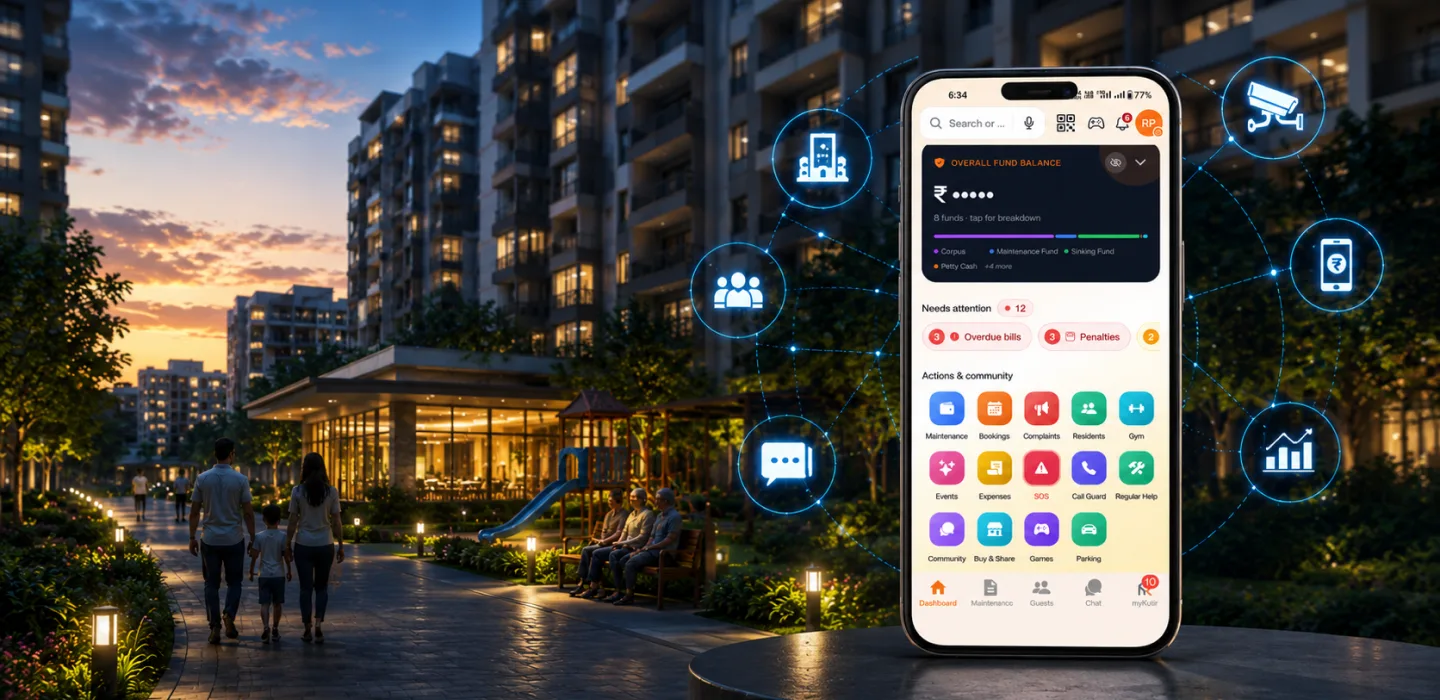
The introduction of technology into amenities management has revolutionized the way apartment complexes operate. Platforms like MyKutir have introduced a suite of features that streamline the management process, making it easier, more efficient, and more transparent for both residents and management teams.
One of the key features offered by MyKutir is the online booking system. This allows residents to book amenities such as the gym, pool, or clubhouse from the comfort of their homes through a dedicated app. This not only eliminates the need for manual booking systems but also reduces the risk of double bookings and scheduling conflicts. The system can be accessed via the /features route, providing residents with a user-friendly interface to manage their bookings seamlessly.
Maintenance scheduling is another area where technology plays a crucial role. MyKutir offers features that allow management teams to schedule regular maintenance checks and track the status of ongoing repairs. This is particularly beneficial for ensuring that amenities are always in optimal condition, enhancing the resident experience and prolonging the life of the facilities.
In addition to booking and maintenance, MyKutir facilitates effective communication through resident feedback mechanisms. Residents can provide real-time feedback on the condition and usability of amenities directly through the platform. This feedback is vital for management to promptly address issues and make informed decisions about facility upgrades and maintenance priorities.
Furthermore, these technological solutions provide valuable data analytics, helping management teams understand usage patterns and resident preferences. This data can be instrumental in making strategic decisions regarding facility improvements or expansions, ensuring that investments are aligned with resident needs.
Overall, leveraging technology for amenities management not only simplifies processes but also enhances transparency and accountability, leading to higher resident satisfaction and a more harmonious community living environment.
Case Study: Successful Amenities Management in an Apartment Complex
Let us consider an illustrative case of an apartment complex, "Green Acres", which successfully transformed its amenities management using MyKutir. Before implementing digital solutions, the complex faced several challenges typical of traditional management approaches, including inefficient booking systems, maintenance delays, and resident dissatisfaction.
Green Acres decided to adopt MyKutir to address these challenges strategically. The first step involved integrating the online booking system to manage their amenities. This transition allowed residents to reserve facilities like the swimming pool and gym conveniently through the app, reducing double bookings and scheduling conflicts significantly.
With maintenance issues being a recurring problem, Green Acres utilized MyKutir's maintenance scheduling feature to set up regular checks and track ongoing repairs. This proactive approach ensured amenities were always in top condition, resulting in fewer complaints and higher usage rates.
The platform’s feedback mechanism helped Green Acres create a direct communication channel between residents and management. By collecting and analyzing resident feedback, the management could prioritize necessary upgrades and address issues swiftly. This open line of communication fostered a greater sense of community and trust among residents.
The transformation was evident when comparing resident satisfaction surveys before and after implementing MyKutir. Residents reported a more enjoyable living experience, citing the convenience of digital bookings and improved facility conditions. The management also noted a substantial decrease in complaints and conflicts arising from amenity usage.
Moreover, the data analytics provided by MyKutir offered insights into usage patterns, allowing Green Acres to optimize facility schedules and plan future upgrades effectively. This strategic use of technology not only improved current operations but laid a solid foundation for future growth and resident satisfaction.
Overall, the case of Green Acres demonstrates the tangible benefits of adopting digital solutions like MyKutir for amenities management, highlighting the importance of embracing technology to enhance community living in apartment complexes.
Common Mistakes in Amenities Management and How to Avoid Them
Effective amenities management requires careful planning and execution. However, even well-intentioned management teams can fall into common pitfalls that hinder optimal facility usage and resident satisfaction. Recognizing these mistakes and learning how to avoid them is crucial for any apartment complex looking to improve its amenities management.
One common mistake is overbooking facilities. This usually occurs when there is no centralized booking system, leading to double bookings and inevitable conflicts among residents. To avoid this, apartment complexes should implement an online booking system that allows for real-time reservations and updates, ensuring clarity and availability for all residents.
Inadequate maintenance is another significant issue that plagues many apartment complexes. When facilities are not regularly maintained, they can quickly fall into disrepair, leading to resident dissatisfaction and potential safety hazards. Management should establish routine maintenance schedules and invest in a digital platform that helps track maintenance tasks and timelines to ensure that all amenities remain in good condition.
Poor communication is a frequent issue that can lead to misunderstandings and resident frustration. Without clear channels for reporting issues or providing feedback, residents may feel unsupported and ignored. Management teams should prioritize establishing open communication lines, facilitated by digital platforms like MyKutir, which allow residents to easily report issues and offer feedback.
Lack of transparency is another common mistake. Residents appreciate being informed about the status and usage of amenities. Management teams should regularly update residents on facility schedules, maintenance work, and any changes in rules or accessibility. Digital solutions that provide real-time updates can significantly enhance transparency.
Finally, failing to collect and analyze resident feedback can result in missed opportunities for improvement. Management should actively seek resident input to understand their needs and preferences, using this information to make informed decisions about facility upgrades and policy changes.
By recognizing and addressing these common mistakes, apartment complexes can create a more efficient and satisfying amenities management system that enhances the overall living experience for residents.
Comparison: Traditional Methods vs. Digital Solutions for Amenities Management
Managing amenities effectively is crucial for enhancing resident satisfaction in apartment complexes. Traditional methods and digital solutions offer different approaches, each with its own set of advantages and drawbacks. Comparing these two approaches can help management teams make informed decisions about transitioning to digital solutions.
| Aspect | Traditional Methods | Digital Solutions |
|---|---|---|
| Booking System | Manual sign-up sheets or phone reservations, prone to errors. | Online booking platform with real-time updates, reducing errors and conflicts. |
| Maintenance Tracking | Manual records, often leading to overlooked maintenance. | Automated scheduling and tracking, ensuring timely maintenance. |
| Communication | Notice boards and occasional newsletters, limited resident reach. | Instant notifications and feedback channels through apps. |
| Transparency | Limited, residents often unaware of schedules and policies. | Real-time information on facility availability and maintenance status. |
| Data Analytics | Minimal, based on manual records and feedback forms. | Comprehensive data analytics for informed decision-making. |
The comparison clearly shows that digital solutions offer superior efficiency, accuracy, and a more engaging experience for residents. While traditional methods have served their purpose, the rapid adoption of technology in amenities management is paving the way for a more seamless and effective approach.
Digital solutions like MyKutir not only streamline administrative tasks but also enhance the community's living experience through improved communication, maintenance, and transparency. Transitioning from traditional methods to digital solutions can lead to significant improvements in resident satisfaction and management efficiency.
Step-by-Step Guide to Implementing Digital Amenities Management
Transitioning from traditional to digital amenities management can seem daunting, but with a structured approach, it can be accomplished smoothly and efficiently. Here is a step-by-step guide to help apartment complex management teams implement digital solutions for amenities management.
Step 1: Assess Current Systems and Identify Needs
Begin by evaluating the current amenities management processes. Identify pain points such as manual booking issues, maintenance backlogs, and communication gaps. Understanding these challenges will help in selecting the right digital solution tailored to your complex's needs.
Step 2: Research and Select a Digital Platform
Research available digital solutions like MyKutir that offer features like online booking, maintenance scheduling, and feedback mechanisms. Compare functionalities and choose a platform that aligns with your complex's requirements and budget.
Step 3: Plan the Transition
Create a detailed transition plan that outlines the steps for implementing the digital platform. This plan should include timelines, key milestones, and roles and responsibilities for the management team. Ensure that the plan addresses potential challenges and includes contingencies.
Step 4: Train Staff and Inform Residents
Conduct training sessions for staff to familiarize them with the new platform and its functionalities. It is equally important to inform residents about the upcoming changes, how it will benefit them, and provide guidance on how to use the new system.
Step 5: Implement the System
Begin by implementing the system in phases, if possible. For instance, start with online booking and gradually introduce maintenance scheduling and feedback mechanisms. This phased approach allows for easier troubleshooting and adjustment during the initial stages.
Step 6: Monitor and Collect Feedback
Once the system is live, monitor its performance and collect feedback from residents and staff. Use this feedback to make necessary adjustments and improvements. Regularly review the system's performance to ensure it continues to meet the complex's needs.
Step 7: Evaluate and Optimize
Evaluate the overall impact of the digital platform on amenities management. Use analytics provided by the system to understand usage patterns and identify areas for optimization. Continuously seek resident feedback to ensure the system aligns with their needs and expectations.
By following these steps, apartment complexes can successfully transition to digital amenities management, resulting in increased efficiency, better resident engagement, and enhanced community living.
Future Trends in Amenities Management
The landscape of amenities management is continuously evolving, with emerging trends that promise to further enhance the living experience in apartment complexes. As technology advances, several key trends are shaping the future of this domain, providing opportunities for improved efficiency, sustainability, and resident satisfaction.
Integration of AI and IoT Devices
The integration of Artificial Intelligence (AI) and Internet of Things (IoT) devices is set to revolutionize amenities management. AI can optimize facility usage by analyzing resident behavior patterns and preferences, allowing for personalized recommendations and automated scheduling. IoT devices, such as smart sensors and connected appliances, enable real-time monitoring and maintenance, leading to more efficient management and reduced downtime.
Focus on Sustainability
Sustainability is becoming a key consideration in amenities management. Future trends include the incorporation of energy-efficient technologies and sustainable practices, such as smart lighting systems and water-saving fixtures. These initiatives not only reduce the environmental footprint but also contribute to cost savings, which can be reinvested into further improvements.
Enhanced Resident Engagement
Future trends emphasize greater resident engagement through digital platforms. Enhanced communication tools will allow residents to interact with management more effectively, providing feedback and suggestions in real-time. This increased engagement fosters a sense of ownership among residents, leading to a more harmonious community.
Virtual and Augmented Reality
Virtual and augmented reality technologies are poised to offer unique experiences in amenities management. Virtual tours of facilities can showcase amenities to prospective residents, while augmented reality applications can provide real-time information and guidance for facility usage and maintenance.
Data Analytics for Informed Decision-Making
The use of advanced data analytics is expected to play a significant role in future amenities management. By analyzing usage patterns and resident feedback, management teams can make data-driven decisions about facility upgrades, expansions, or changes, ensuring they align with resident needs and preferences.
These future trends highlight the growing importance of technology in transforming amenities management, paving the way for smarter, more efficient, and sustainable community living. Apartment complexes that embrace these trends will be well-positioned to enhance resident satisfaction and remain competitive in the evolving real estate market.
FAQs on Amenities Management in Apartment Complexes
What is the role of amenities management in apartment complexes?
Amenities management is crucial in apartment complexes as it oversees the effective use and maintenance of shared facilities such as gyms, pools, and clubhouses. This management ensures that residents have equitable access to these amenities, which enhances their living experience and fosters a sense of community. Properly managed amenities add value to the property, attract potential buyers or renters, and promote a healthy lifestyle among residents. By ensuring facilities are well-maintained and available, amenities management directly impacts resident satisfaction and quality of life.
How can technology improve amenities management?
Technology can significantly enhance amenities management by streamlining booking systems, maintenance scheduling, and communication between residents and management. Platforms like MyKutir offer online booking systems that reduce errors and conflicts associated with manual reservations. Automated maintenance scheduling ensures facilities are regularly checked and repaired, minimizing downtime. Technology also enhances communication through real-time notifications and feedback channels, allowing residents to report issues and provide suggestions easily. Overall, technology facilitates a more efficient, transparent, and resident-centric approach to amenities management.
What are common challenges in managing amenities?
Common challenges in managing amenities include dealing with manual booking systems prone to errors, tracking maintenance schedules, and bridging communication gaps between residents and management. Traditional methods often struggle with keeping accurate records, leading to overuse or under-maintenance of facilities. Communication issues can result in delays when addressing resident concerns, causing frustration. Additionally, a lack of transparency and feedback mechanisms can hinder management's ability to respond effectively to resident needs and preferences. Addressing these challenges is essential for improving the overall effectiveness of amenities management.
How can apartment complexes transition to digital amenities management?
Transitioning to digital amenities management involves several key steps. First, evaluate the current system to identify areas for improvement. Next, research and select a suitable digital platform like MyKutir that offers features aligned with the complex's needs. Develop a transition plan that outlines implementation steps, timelines, and responsibilities. Train staff and inform residents about the new system and its benefits. Implement the system gradually, starting with online booking and expanding to maintenance scheduling and feedback channels. Monitor the system's performance, collect feedback, and make necessary adjustments to ensure a smooth transition.
What are the benefits of using a platform like MyKutir for amenities management?
Using a platform like MyKutir for amenities management offers several benefits. It provides a centralized online booking system that reduces errors and conflicts, ensuring fair access to facilities. The platform automates maintenance scheduling, ensuring timely checks and repairs, which enhances facility conditions. MyKutir also facilitates real-time communication and feedback, allowing residents to report issues and offer suggestions easily. The platform's data analytics feature provides valuable insights into usage patterns and preferences, aiding informed decision-making. Overall, MyKutir enhances efficiency, transparency, and resident satisfaction in amenities management.
What future trends should we expect in amenities management?
Future trends in amenities management include the integration of AI and IoT devices for optimized facility usage and real-time maintenance monitoring. There is a growing focus on sustainability, with the adoption of energy-efficient technologies and practices. Enhanced resident engagement through digital platforms will foster a sense of community and ownership. Virtual and augmented reality technologies will offer unique experiences in facility showcasing and usage. Advanced data analytics will drive informed decision-making, ensuring facility upgrades and changes align with resident needs and preferences. These trends highlight the increasing role of technology in shaping the future of amenities management.
How does improved amenities management impact resident satisfaction?
Improved amenities management directly impacts resident satisfaction by ensuring facilities are well-maintained, accessible, and aligned with resident needs. Effective management minimizes conflicts over facility usage, reduces maintenance-related downtimes, and enhances transparency and communication. Residents appreciate having equitable access to amenities and being informed about their status and availability. By addressing issues promptly and considering resident feedback, management can foster a sense of community and trust, leading to a more harmonious living environment. Ultimately, well-managed amenities contribute to an enhanced quality of life for residents.
Key Takeaways
- Amenities management is crucial for enhancing resident satisfaction and community living in apartment complexes.
- Traditional methods face challenges such as manual booking errors, maintenance delays, and communication gaps.
- Technology platforms like MyKutir streamline amenities management through online booking, maintenance scheduling, and feedback mechanisms.
- A successful case study demonstrates the tangible benefits of adopting digital solutions for amenities management.
- Common mistakes in management include overbooking, inadequate maintenance, and poor communication, which can be avoided with strategic planning.
- Digital solutions offer superior efficiency, accuracy, and engagement compared to traditional methods.
- Implementing digital management involves assessing current systems, selecting the right platform, and transitioning gradually with staff and resident support.
- Future trends include AI, IoT integration, sustainability, enhanced resident engagement, and data-driven decision-making.