Effective Emergency Response in Housing Societies: A Step-by-Step Guide
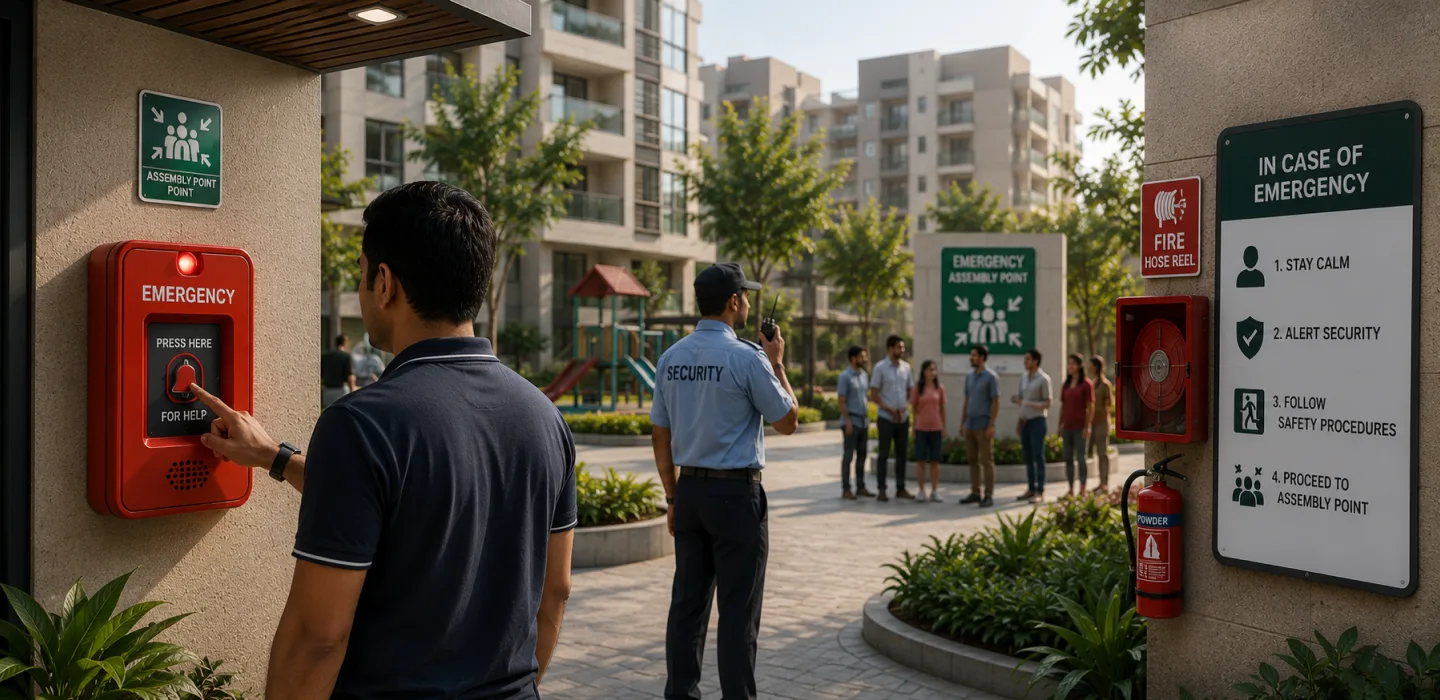
By MyKutir Editorial Team — 2026-09-18
A comprehensive guide to setting up an effective emergency response system in housing societies, ensuring safety and preparedness.
In the face of potential emergencies, housing societies must prioritize preparedness to safeguard residents. Understanding the importance of emergency preparedness can make a significant difference in minimizing risks and ensuring the safety of residents. Housing societies, often consisting of a large number of families, are vulnerable to various emergencies such as natural disasters, fires, medical emergencies, or security threats. These incidents can lead to chaos, injuries, or even fatalities if not handled efficiently.
Having a well-structured emergency response plan is the cornerstone of effective emergency preparedness. Such a plan outlines the steps to be taken during an emergency, focusing on quick and efficient action to protect residents and property. Without an emergency response plan, societies risk prolonged confusion and miscommunication during critical moments, potentially exacerbating the situation.
One of the most significant benefits of emergency preparedness is the mitigation of damages. By having protocols and resources in place, societies can respond swiftly to incidents, reducing physical damage and preventing situations from worsening. For instance, a well-coordinated fire evacuation plan can help move residents to safety quickly, minimizing the risk of injuries or fatalities.
Moreover, a robust emergency response plan fosters a sense of security among residents. Knowing that there are measures in place to handle emergencies helps residents feel more secure in their living environment. This reassurance is crucial for the overall well-being of the community, promoting peace of mind for all residents.
In summary, emergency preparedness is not just about having a plan but about ensuring that all society members are aware of and confident in the procedures to follow. It requires ongoing effort, training, and communication. By investing time and resources in developing a comprehensive emergency response plan, housing societies can better protect their residents and ensure a swift, organized response to any crisis.
Key Components of an Effective Emergency Response Plan
An effective emergency response plan is a multi-faceted document that outlines the necessary actions to be taken during various emergency scenarios. The success of this plan hinges on its components being comprehensive and clearly defined. Below are the key elements that should be included in a robust emergency response plan for housing societies:
1. Communication Protocols: Effective communication is critical during an emergency. The plan should outline how information will be disseminated to residents, management, and emergency services. This includes designating communication leaders, setting up communication channels such as group messages or loudspeakers, and ensuring backup systems are in place if primary methods fail.
2. Evacuation Procedures: Clearly defined evacuation routes and procedures are vital for ensuring resident safety. The plan should include maps of escape routes, assembly points, and a process for accounting for all residents. Regular drills help familiarize residents with these procedures, reducing panic and confusion during actual emergencies.
3. Roles and Responsibilities: Assigning specific roles to society members and staff ensures that all necessary tasks are covered during an emergency. This includes appointing safety wardens, first aid responders, and communication coordinators. Clearly defined roles help streamline operations and reduce response times.
4. Resource Management: The plan should catalog available resources such as first aid kits, fire extinguishers, and emergency supplies. It's essential to regularly inspect and maintain these resources to ensure they are ready for use when needed.
5. Collaboration with External Agencies: Establishing relationships with local emergency services, hospitals, and disaster management agencies is crucial. These partnerships can enhance the society’s capabilities by providing additional support and resources during an emergency.
An emergency response plan's effectiveness is determined by how well these components are integrated and implemented. Regular reviews and updates to the plan are necessary to account for changes in the society's composition or new potential risks. By ensuring these key elements are in place, housing societies can build a strong foundation for effective emergency management, ultimately protecting their residents and assets.
Role of Technology in Enhancing Emergency Response
Incorporating technology into emergency response strategies can significantly enhance the efficiency and effectiveness of these plans. Platforms like MyKutir offer various technological tools that can transform how housing societies manage emergencies, ensuring a faster and more coordinated response.
1. SOS Alerts: One of the most crucial technological features is the ability to send instant SOS alerts to all residents and management. With a platform like MyKutir, residents can quickly notify others of an emergency with the tap of a button. This immediate communication ensures that help is dispatched promptly and residents are made aware of the situation in real-time.
2. Real-Time Updates: During an emergency, circumstances can change rapidly. Technology allows for real-time updates to be shared with residents, keeping everyone informed of the latest developments. This dynamic communication helps manage panic and ensures that residents are aware of any changes in evacuation procedures or safety measures.
3. Resident Communication: Beyond emergencies, technology facilitates regular communication with residents, keeping them engaged and informed about safety protocols and updates to the emergency response plan. Features like resident polls and feedback mechanisms can also be used to refine processes and ensure the community's needs are being met.
4. Data Management and Analytics: Platforms like MyKutir offer data management and analytics features, allowing societies to track and analyze past emergency responses. By evaluating these data points, societies can identify areas for improvement and adjust their plans accordingly, leading to more effective responses in the future.
By leveraging technology, housing societies can not only enhance the speed and coordination of their emergency responses but also improve overall preparedness. This integration of technology into emergency management can make a critical difference in protecting residents' lives and minimizing the impact of emergencies.
Implementing an Emergency Response System: A Step-by-Step Process
Implementing an emergency response system in a housing society requires a structured approach to ensure that all necessary aspects are covered and that the system functions effectively when needed. Below is a step-by-step process that housing societies can follow to develop and implement a comprehensive emergency response system:
- Assessment and Planning: Begin by conducting a risk assessment to identify potential emergencies that could affect your society. This includes natural disasters, fires, medical emergencies, and security threats. Use this assessment to develop a tailored emergency response plan that addresses each identified risk.
- Resource Allocation: Allocate necessary resources such as first aid kits, fire extinguishers, and emergency supplies. Ensure that these resources are strategically placed throughout the society for easy access during emergencies.
- Role Assignment: Assign clear roles and responsibilities to society members and staff. This includes appointing safety wardens, first aid responders, and communication coordinators. Ensure that everyone understands their role and how it contributes to the overall emergency response plan.
- Communication Setup: Establish communication protocols and set up necessary communication tools. This includes resident contact lists, group messaging systems, and emergency alert systems. Ensure that backup communication methods are also in place in case primary methods fail.
- Training and Drills: Conduct regular training sessions and emergency drills for both residents and staff. These sessions should cover emergency procedures, role responsibilities, and communication protocols. Frequent drills help reinforce the plan and ensure that everyone knows what to do in an emergency.
- Review and Improvement: After implementing the plan, conduct regular reviews to identify areas for improvement. Use data from past drills and real emergencies to refine and enhance the plan. Regularly update the plan to incorporate new risks or changes within the society.
By following these steps, housing societies can create a well-organized and effective emergency response system. This systematic approach ensures that all aspects of emergency management are covered, ultimately protecting residents and minimizing the impact of emergencies.
Training Residents and Staff for Emergency Situations
Regular training sessions for residents and staff are essential for ensuring that everyone in the housing society is prepared to handle emergencies. These training sessions build confidence, improve response times, and ensure the safety of all residents. Here's how societies can effectively train their members for emergency situations:
1. Comprehensive Training Modules: Develop comprehensive training modules that cover various emergency scenarios such as fires, natural disasters, and medical emergencies. These modules should include clear instructions on evacuation procedures, communication protocols, and role responsibilities.
2. Frequency of Training: Training sessions should be conducted regularly, at least twice a year, to keep the information fresh in the minds of residents and staff. Frequent sessions also accommodate new residents, ensuring they are integrated into the society's emergency response system.
3. Emergency Drills: Conduct emergency drills to practice the emergency response plan in real-time. Drills should simulate different scenarios to test the effectiveness of the plan and identify any areas that need improvement. Drills also help residents become familiar with evacuation routes and procedures, reducing panic during actual emergencies.
4. Role-Specific Training: Provide role-specific training for individuals with designated responsibilities during emergencies. Safety wardens, first aid responders, and communication coordinators should receive additional training to prepare them for their specific roles.
5. Collaborative Training Sessions: Collaborate with local emergency services to conduct training sessions. Involving professionals can provide valuable insights and enhance the quality of training. These sessions can also strengthen the relationship between the society and local emergency services, facilitating better coordination during emergencies.
By prioritizing regular training sessions, housing societies can ensure that all residents and staff are well-prepared to handle emergencies. This proactive approach not only enhances safety but also fosters a sense of community and shared responsibility among residents.
Common Mistakes in Emergency Planning and How to Avoid Them
While many housing societies prioritize emergency planning, there are common pitfalls that can undermine the effectiveness of their efforts. Identifying and avoiding these mistakes can significantly enhance the safety and preparedness of the society. Here are some common mistakes and tips on how to avoid them:
1. Lack of Regular Updates: One of the most common mistakes is failing to regularly update the emergency response plan. Circumstances within the society change over time, such as resident turnover or the introduction of new facilities, which can affect the relevance of the plan. To avoid this, conduct annual reviews and updates to ensure the plan remains current and effective.
2. Inadequate Training and Drills: Some societies neglect regular training sessions and emergency drills, leading to residents being unprepared during an actual emergency. To avoid this, establish a schedule for frequent training and drills, ensuring all residents and staff are familiar with the emergency response procedures.
3. Poor Communication: During emergencies, effective communication is crucial. Some societies fail to establish robust communication protocols, leading to confusion and delay. To avoid this, implement a clear communication framework with multiple channels, ensuring redundancy if one method fails. Regularly test communication systems to ensure their functionality.
4. Neglecting Role Assignments: In emergency situations, a lack of clearly defined roles can lead to chaos. Ensure that all roles and responsibilities are assigned and communicated to residents and staff. Conduct role-specific training to reinforce these responsibilities and ensure everyone knows their part in the emergency response plan.
5. Insufficient Collaboration with External Agencies: Failing to establish relationships with local emergency services can hinder the society's emergency response capabilities. To avoid this, build strong partnerships with local authorities and first responders, facilitating better coordination and support during emergencies.
By avoiding these common mistakes, housing societies can enhance their emergency preparedness and ensure a more effective response to any crisis that may arise.
Case Study: Successful Emergency Response in a Housing Society
Consider a hypothetical scenario where a housing society successfully managed a fire emergency, demonstrating the effectiveness of a well-implemented emergency response plan. This case study highlights the key elements that contributed to their success and the lessons learned that can be applied to other societies.
The society had established a comprehensive emergency response plan, which included clearly defined communication protocols, evacuation procedures, and assigned roles. Regular training sessions and emergency drills ensured that all residents and staff were familiar with the plan and knew what to do in case of an emergency.
When a fire broke out in one of the apartments, the resident immediately used the MyKutir platform to send an SOS alert to all residents and management. The alert system worked effectively, notifying everyone of the emergency and triggering the response plan.
The society's communication coordinator quickly disseminated information about the fire and instructed residents to evacuate using the designated routes. Safety wardens assisted in guiding residents to the assembly points, ensuring that everyone remained calm and orderly during the evacuation.
Local fire services were notified promptly, thanks to the established communication protocols with external agencies. The fire department arrived quickly and was able to contain the fire, minimizing damage to the property.
After the incident, the society conducted a review of the response, identifying areas for improvement. They adjusted their plan to address minor issues, such as refining evacuation routes and enhancing communication methods.
This case study illustrates the importance of a well-prepared emergency response plan, thorough training, and effective communication. By implementing these elements, the housing society was able to manage the emergency efficiently and ensure the safety of its residents.
Comparison: Digital vs. Manual Emergency Response Management
When it comes to managing emergency responses, housing societies have the option of using digital solutions or traditional manual methods. Below is a comparison table highlighting the differences between these approaches, focusing on efficiency, scalability, and reliability:
| Aspect | Digital Emergency Response | Manual Emergency Response |
|---|---|---|
| Communication Speed | Instant notifications through apps and alerts | Delayed communication through notices or word-of-mouth |
| Scalability | Easily scalable to accommodate more users | Limited by manpower and physical resources |
| Reliability | High reliability with real-time updates and notifications | Prone to human error and miscommunication |
| Data Management | Automated data collection and analytics for improvement | Manual record keeping with limited analysis potential |
| Resource Allocation | Efficient tracking and monitoring of resources | Resource management can be chaotic and uncoordinated |
| Cost | Initial setup cost but long-term savings through efficiency | Lower initial costs but higher long-term manpower costs |
As the table illustrates, digital emergency response systems, like those provided by MyKutir, offer significant advantages in terms of speed, scalability, and reliability. While manual methods may have lower upfront costs, they often fall short in efficiency and can result in higher long-term expenses. Societies looking to enhance their emergency preparedness should consider investing in digital solutions to improve their response capabilities.
Frequently Asked Questions
What should be included in an emergency response plan for housing societies?
An emergency response plan for housing societies should include several key components to ensure effectiveness. First, it should outline clear communication protocols that detail how information will be disseminated during an emergency. This includes designating communication leaders and establishing multiple channels for alerts and updates. The plan should also detail evacuation procedures, including maps of escape routes and designated assembly points. It's essential to assign roles and responsibilities to society members and staff, such as safety wardens and first aid responders, to ensure organized and swift action during emergencies. Additionally, the plan should include a list of available resources, such as first aid kits and emergency supplies, and establish partnerships with local emergency services for additional support. Regular reviews and updates to the plan are crucial to address changes in the society or emerging risks.
How often should emergency drills be conducted?
Emergency drills should be conducted at least twice a year to ensure that all residents and staff remain prepared and familiar with the emergency response plan. Regular drills help reinforce procedures and allow residents to practice evacuation routes, reducing panic during a real emergency. These drills should simulate different scenarios, allowing the society to test various aspects of the emergency plan and identify any areas for improvement. By holding drills frequently, societies ensure that new residents are integrated into the emergency response system and that all members remain aware of any updates or changes to the plan.
What role does technology play in emergency response?
Technology plays a crucial role in enhancing the effectiveness of emergency response plans in housing societies. Platforms like MyKutir offer features such as instant SOS alerts, real-time updates, and efficient resident communication. These technological tools enable quick dissemination of information, ensuring that all residents are informed of an emergency in real-time. Technology also facilitates data management and analytics, allowing societies to track and evaluate past responses to improve future preparedness. By using technology, societies can significantly reduce response times, improve coordination, and ultimately enhance the safety and security of their residents.
How can societies train residents for emergencies?
Training residents for emergencies involves conducting comprehensive training sessions and regular emergency drills. Societies should develop training modules that cover various emergency scenarios, evacuation procedures, and communication protocols. Training should be held at least twice a year to keep residents familiar with the emergency response plan. Additionally, societies can involve local emergency services in training sessions to provide professional insights and enhance the quality of training. Role-specific training for individuals with designated responsibilities, such as safety wardens, should also be provided. By prioritizing regular training, societies can ensure that residents are well-prepared to handle emergencies, enhancing the overall safety of the community.
What are common mistakes in emergency planning?
Common mistakes in emergency planning include failing to regularly update the emergency response plan, neglecting regular training and drills, and poor communication protocols. Societies may also overlook assigning clear roles and responsibilities, leading to confusion during an emergency. Another mistake is not establishing relationships with local emergency services, which can hinder coordination and support during a crisis. To avoid these pitfalls, societies should conduct regular reviews and updates to their plans, ensure frequent training sessions and drills, implement robust communication protocols, and collaborate with external agencies to enhance their emergency response capabilities.
How can MyKutir assist in emergency management?
MyKutir offers various features that can significantly enhance a housing society's emergency management capabilities. The platform provides instant SOS alerts, allowing residents to quickly notify others of an emergency. Real-time updates keep residents informed of the latest developments, reducing panic and ensuring a coordinated response. MyKutir also facilitates efficient resident communication, enabling societies to disseminate important information quickly. Additionally, the platform's data management and analytics features allow societies to track and evaluate past responses, identify areas for improvement, and refine their emergency response plans. By using MyKutir, societies can enhance the speed, efficiency, and effectiveness of their emergency responses.
Why is regular review of emergency plans important?
Regular review of emergency plans is crucial for ensuring their continued effectiveness and relevance. Circumstances within a housing society change over time, such as resident turnover, new facilities, or emerging risks, which can impact the applicability of the plan. By conducting regular reviews, societies can identify areas for improvement, update procedures to address new risks, and ensure that all components of the plan remain current. Regular reviews also provide an opportunity to incorporate feedback from residents and staff, enhancing the overall preparedness and safety of the community. This proactive approach ensures that the society remains ready to handle any emergency effectively.
What are the benefits of digital emergency management systems?
Digital emergency management systems, like those offered by MyKutir, provide several benefits over traditional manual methods. These systems offer instant communication through SOS alerts and real-time updates, significantly reducing response times and improving coordination during emergencies. Digital systems are easily scalable to accommodate more users, making them suitable for large housing societies. They also provide reliable data management and analytics, allowing societies to evaluate past emergencies and enhance their preparedness. While initial setup costs may be higher than manual methods, digital systems offer long-term savings through improved efficiency and reduced manpower costs. Overall, digital emergency management systems enhance the safety, efficiency, and reliability of a society's emergency response capabilities.
Key Takeaways
- Emergency preparedness in housing societies is crucial for minimizing risks and ensuring resident safety.
- An effective emergency response plan includes clear communication protocols, evacuation procedures, and designated roles.
- Technology, such as MyKutir, plays a significant role in enhancing emergency response through SOS alerts, real-time updates, and efficient communication.
- Implementing an emergency response system requires assessment, planning, resource allocation, role assignment, communication setup, training, and regular reviews.
- Regular training and emergency drills are essential for preparing residents and staff for emergencies.
- Common mistakes in emergency planning include ineffective communication, inadequate training, and lack of regular updates or reviews.
- Digital emergency management systems offer significant advantages over manual methods in terms of speed, scalability, and reliability.
- Regular review and updates of emergency plans are necessary to ensure their continued effectiveness and relevance.