Best Practices for Emergency Management in Housing Societies
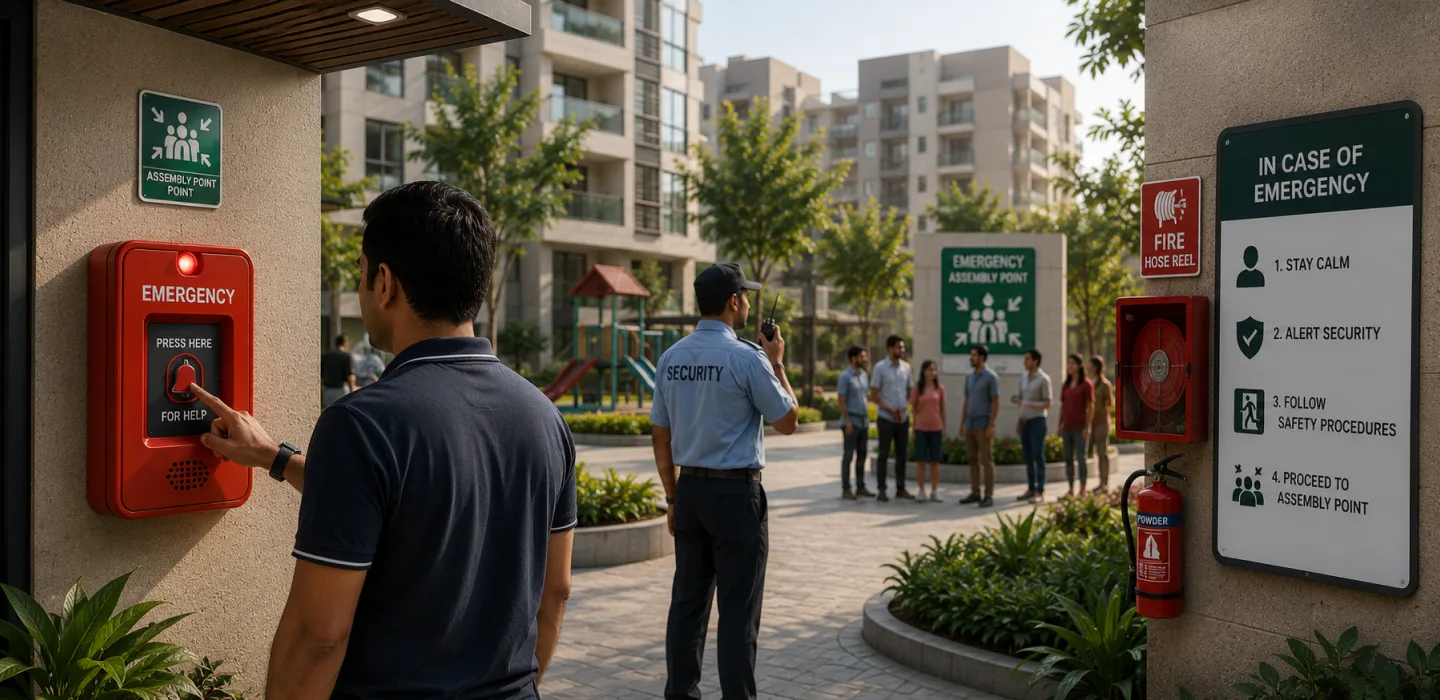
By MyKutir Editorial Team — 2026-08-16
Learn essential best practices for effective emergency management in Indian housing societies, ensuring safety and preparedness.
In the complex and diverse environment of Indian housing societies, effectively managing emergencies is critical for ensuring the safety and well-being of all residents. Emergency management in this context refers to the comprehensive approach adopted by housing societies to prepare for, respond to, and recover from unexpected events that pose a threat to life, property, and the community’s sense of security. Common emergencies that housing societies in India face include fires, medical incidents, natural disasters like earthquakes or floods, and security threats ranging from criminal activities to potential terrorist attacks.
The importance of having a well-defined emergency management plan cannot be overstated. Such plans are vital for minimizing the adverse impacts of emergencies and ensuring a coordinated response that can save lives and reduce damage. At the heart of any effective emergency plan is a commitment to readiness and resilience, which requires active participation from both the management committee and the residents. By proactively preparing for emergencies, housing societies can navigate crises more effectively, ensuring that any disruption to daily life is minimized.
Understanding Emergency Management in Housing Societies
Emergency management in housing societies involves a structured approach to dealing with potential threats that can disrupt normal activities. This includes both pre-emptive measures such as risk assessments and the development of emergency response procedures, as well as reactive measures when an emergency occurs. An effective emergency management plan addresses all stages of an emergency, from prevention and preparedness to response and recovery.
Common emergencies in housing societies can vary widely, but typically include fire outbreaks, medical emergencies, natural calamities, and security threats. A fire emergency, for instance, requires immediate evacuation procedures and access to firefighting equipment. Medical emergencies might necessitate having trained first responders and access to medical facilities. Security threats, on the other hand, require the ability to alert residents quickly and coordinate with local law enforcement. Each type of emergency requires specific strategies for effective management.
The foundation of effective emergency management is having a comprehensive emergency plan tailored to the unique needs of a housing society. This plan should clearly outline the roles and responsibilities of both the management committee and residents, establish procedures for communication and coordination, and define evacuation routes and safe zones. Regular training and drills are also essential to ensure everyone knows what to do when an emergency occurs.
Overall, the goal of emergency management in housing societies is to create a safe and resilient environment where residents feel secure and confident that they are prepared to handle any crisis. By fostering a culture of preparedness and collaboration, housing societies can enhance their ability to respond to emergencies and protect their community’s safety and well-being.
Key Components of an Effective Emergency Plan
An effective emergency management plan is a cornerstone of safety for any housing society. It should be comprehensive, addressing all potential threats and detailing clear procedures for responding to emergencies. The key components of such a plan include risk assessment, communication strategies, evacuation routes, and emergency contacts.
Risk assessment is the first step in developing an emergency management plan. It involves identifying potential hazards and evaluating their likelihood and impact on the society. This assessment helps prioritize the risks and allocate resources effectively. Regular updates to the risk assessment are necessary as new threats emerge or the society’s environment changes.
Communication strategies are crucial for ensuring timely and accurate information flow during an emergency. The plan should establish clear channels for communication between the management committee, residents, and external agencies. This could include a combination of digital platforms like the MyKutir app, which allows for real-time alerts and updates, as well as traditional methods like loudspeaker announcements.
Evacuation routes must be clearly defined and communicated to all residents. These routes should be regularly reviewed and updated to account for changes in the society’s layout or infrastructure. In addition, the plan should specify safe zones where residents can gather after evacuating, as well as procedures for accounting for all individuals.
Lastly, an effective emergency plan must include up-to-date emergency contacts. This list should comprise contact information for local emergency services, hospitals, and key society members responsible for emergency management. It is crucial that this information is readily accessible to all residents and regularly updated to ensure accuracy.
Regular drills and updates are essential for maintaining the effectiveness of the emergency plan. Drills help familiarize residents with the procedures and allow the management committee to identify and address any shortcomings. Updates to the plan should be made whenever there are changes in the society's environment, new risks are identified, or after lessons learned from past emergencies.
By incorporating these components into their emergency management plan, housing societies can enhance their preparedness and response capabilities. This not only protects residents and property but also fosters a culture of safety and resilience within the community.
Role of Technology in Emergency Management
In today’s digital age, technology plays a vital role in enhancing the emergency management capabilities of housing societies. Platforms like MyKutir offer a range of features that can significantly improve the way emergencies are handled. These technological tools facilitate quicker communication, better coordination, and more efficient resource management during crises.
One of the most valuable technological advancements is the ability to send out SOS alerts. During an emergency, every second counts, and having a system that can quickly notify all residents of an imminent threat is invaluable. The MyKutir platform enables management committees to disseminate instant alerts to residents’ smartphones, ensuring timely awareness and action.
Resident communication systems integrated within platforms like MyKutir further enhance emergency preparedness. These systems allow for two-way communication, enabling residents to report incidents in real-time and receive guidance from the management committee. By streamlining communication, potential chaos during emergencies can be significantly reduced.
Visitor management systems are another important technological feature. They help maintain a secure environment by regulating and monitoring access to the society. In times of emergency, these systems can provide crucial data on who is present within the premises, aiding in evacuation and ensuring that no one is left behind.
Moreover, technology supports the ongoing training and awareness of residents and staff. Digital platforms can host educational content, conduct virtual drills, and offer feedback systems for continuous improvement. This ensures that the society remains well-prepared for any eventuality.
Adopting a technology-driven approach to emergency management not only improves the responsiveness of housing societies but also builds a culture of trust and safety among residents. By leveraging platforms like MyKutir, societies can stay ahead of potential threats, ensuring a safer living environment for everyone.
Implementing Safety Protocols and Training
Creating and implementing safety protocols is an essential part of emergency management in housing societies. It involves developing standardized procedures that guide the actions of residents and staff during emergencies. The effectiveness of these protocols largely depends on how well they are communicated and practiced within the society.
The first step in implementing safety protocols is to clearly define the roles and responsibilities of all stakeholders, including the management committee, security personnel, residents, and external agencies. Each group should know exactly what is expected of them during an emergency. This clarity of roles helps prevent confusion and ensures a coordinated response.
Once protocols are established, the focus should shift to training. Regular training sessions are crucial for building the competence and confidence of residents and staff in handling emergencies. Workshops and seminars can be used to educate everyone about the protocols, the importance of following them, and the specific actions to take during emergencies.
Simulations and drills play a vital role in training. These practical exercises allow participants to practice the protocols in a controlled environment, helping them understand the practical aspects of emergency response. Drills also provide an opportunity to test the effectiveness of the protocols, identify areas for improvement, and make necessary adjustments.
It’s important to involve all residents in the training process. This includes children and elderly individuals, who may require special considerations. Tailored training sessions can be conducted to address their specific needs and ensure they are also prepared to respond effectively to emergencies.
Regular reviews and updates to the safety protocols are necessary to ensure they remain relevant and effective. Feedback from drills, changes in the society’s infrastructure, and lessons learned from previous emergencies should be used to update the protocols. This continuous improvement process helps maintain a high level of preparedness.
By effectively implementing safety protocols and conducting regular training, housing societies can enhance their ability to respond effectively to emergencies, minimize risks, and ensure the safety and well-being of all residents.
Managing Medical Emergencies
Medical emergencies can occur at any time and require immediate attention to prevent serious consequences. Effective management of such situations in housing societies involves having a well-prepared plan that includes access to medical supplies, trained personnel, and a system for alerting nearby medical facilities.
One of the essential components of managing medical emergencies is having well-stocked first aid kits readily accessible throughout the society. These kits should contain basic medical supplies such as bandages, antiseptics, pain relievers, and other essential items needed to provide initial care. Regular checks and replenishment of these kits are vital to ensure they are always ready for use.
Having trained first responders within the society is another critical aspect. These individuals should be knowledgeable in basic first aid and cardiopulmonary resuscitation (CPR). Regular training sessions can help maintain their skills and confidence in managing medical emergencies. In addition, workshops on specific emergencies, such as heart attacks or diabetic complications, can further enhance preparedness.
Collaboration with nearby hospitals and clinics is essential for managing more severe medical emergencies. Housing societies should establish partnerships with these facilities to ensure quick medical intervention when needed. This can include setting up a direct communication line with emergency services or arranging for ambulances to be on standby during large events.
Implementing a system for alerting residents and medical facilities in the event of an emergency is crucial. Platforms like MyKutir can facilitate rapid communication, sending out alerts to residents and notifying emergency contacts with just a few taps. This ensures that the necessary assistance can be mobilized quickly, potentially saving lives.
By preparing for medical emergencies through access to medical supplies, trained personnel, and effective communication systems, housing societies can significantly improve their ability to manage these critical situations. This preparedness not only helps protect residents' health but also contributes to a safer and more secure living environment.
Scenario: Fire Emergency Preparedness
Fire emergencies present severe risks to housing societies, making it imperative to have a detailed preparedness plan. This scenario walks through the steps a society might take to ensure readiness and responsiveness in the event of a fire.
The first step in preparing for a fire emergency is conducting a thorough risk assessment. This involves identifying potential fire hazards within the society, such as faulty electrical wiring or the presence of flammable materials. Once identified, measures should be taken to mitigate these risks, such as regular maintenance and removing or safely storing hazardous materials.
Planning evacuation routes is central to any fire emergency preparedness plan. These routes should be clearly marked and communicated to all residents. Regular drills should be conducted to ensure everyone knows how to evacuate the building quickly and safely. Safe zones should be established at a secure distance from the buildings, where residents can assemble after evacuation.
Coordination with local fire departments is essential for effective fire response. Housing societies should establish a direct communication line with the nearest fire station and ensure that firefighters are familiar with the society’s layout. This can facilitate quicker response times and more efficient firefighting efforts.
Investing in fire safety equipment is crucial for minimizing the risk and impact of fires. This includes fire extinguishers, smoke detectors, and sprinkler systems. Regular inspections and maintenance of this equipment are vital to ensure it is always operational. Training residents on how to use fire extinguishers can empower them to tackle small fires before they escalate.
In this illustrative scenario, a fire breaks out in the evening due to a short circuit in the community hall. The smoke detectors trigger an alarm, alerting residents and prompting the management committee to send out an emergency notification via the MyKutir app. Residents calmly evacuate using the predetermined routes, while the management contacts the fire department using the direct line established previously. Thanks to the society's preparedness, the fire is quickly contained, and everyone is accounted for in the designated safe zone.
By following a comprehensive plan and conducting regular drills, housing societies can remain vigilant and ready to respond effectively to fire emergencies, protecting both lives and property.
Common Mistakes in Emergency Management
While many housing societies take steps to prepare for emergencies, common mistakes can undermine these efforts and lead to ineffective responses. Identifying and addressing these mistakes is crucial for enhancing emergency management.
One common mistake is the lack of regular emergency drills. Drills are essential for ensuring that both residents and staff understand emergency procedures and can execute them efficiently. Without regular practice, people may forget their roles, leading to panic and disorganization during an actual emergency. Societies should schedule drills at least twice a year to maintain a high level of readiness.
Another frequent issue is outdated contact information. Emergency plans often include lists of contacts for residents, emergency services, and management committee members. If this information is not regularly updated, critical communication can be delayed or misdirected during emergencies. Societies should implement a system for periodically verifying and updating contact details.
Poor communication during crises is another significant challenge. Without clear communication channels, misinformation can spread, and the response can become disjointed. Societies need a robust communication strategy, leveraging both digital platforms and traditional methods, to ensure accurate and timely dissemination of information.
Overlooking the importance of community involvement in emergency preparedness is also a mistake. An emergency management plan is only as effective as the commitment of the community to support and implement it. Societies should actively involve residents in planning and training sessions to build a sense of shared responsibility and collaboration.
Failure to regularly review and update the emergency management plan can render it ineffective. Risks and threats change over time, and plans should evolve accordingly. Societies should establish a routine for reviewing and revising the plan, incorporating lessons learned from past experiences and new insights.
By recognizing these common mistakes and taking steps to address them, housing societies can improve their emergency management capabilities, ensuring a safer environment for all residents.
Comparing Manual vs. Automated Emergency Systems
Managing emergencies in housing societies can be approached through manual methods or automated systems. Each approach has its advantages and limitations, and understanding these can help societies make informed decisions about their emergency management strategy.
| Feature | Manual Systems | Automated Systems |
|---|---|---|
| Alert Mechanisms | Physical notice boards, loudspeakers | Real-time digital alerts (e.g., MyKutir app) |
| Communication | Face-to-face, phone calls | Instant messaging, push notifications |
| Information Updates | Manual updates, paper notices | Automated updates, digital records |
| Response Coordination | Manual tracking, verbal coordination | Integrated systems, real-time tracking |
| Training and Drills | In-person sessions | Virtual training, online modules |
| Visitor Management | Physical registers | Digital entry logs, real-time access control |
Manual systems rely heavily on traditional methods like notice boards and loudspeakers to disseminate information during emergencies. While they can be effective in small communities, these methods often fall short in terms of speed and reach, particularly in larger societies.
Automated systems, on the other hand, leverage technology to provide real-time alerts and updates. Platforms like MyKutir enable instant communication through smartphones, ensuring that all residents receive timely information. This can significantly enhance response times and improve coordination during emergencies.
In terms of communication, manual methods depend on face-to-face interactions and phone calls, which can be time-consuming and prone to miscommunication. Automated systems offer instant messaging and push notifications, facilitating quick and accurate information exchange.
The drawbacks of manual systems become more apparent when managing information updates and response coordination. Manual updates require significant effort to maintain accuracy and can quickly become outdated. Automated systems streamline this process by maintaining digital records that are easy to update and access.
Training and drills can also benefit from automation. While traditional in-person sessions are valuable, digital platforms can enhance training with virtual modules and simulations, providing flexibility and convenience for participants.
Finally, visitor management is another area where automated systems excel. While manual registers can be cumbersome and error-prone, digital entry logs enhance security and efficiency by providing real-time access control and visitor tracking.
FAQs: Emergency Management in Housing Societies
What are the legal requirements for emergency management in housing societies?
The legal requirements for emergency management in housing societies can vary significantly across different states in India. Generally, housing societies are expected to comply with local municipal regulations and safety codes, which may include provisions for fire safety, earthquake preparedness, and other emergency measures. Additionally, societies registered under cooperative laws or the Societies Registration Act, 1860, may have specific obligations relating to safety and emergency preparedness. However, these requirements are subject to change, and it’s advisable for societies to consult with a legal expert or the local registrar for up-to-date information and compliance obligations.
How often should emergency drills be conducted in a housing society?
Emergency drills are a critical component of preparedness, and their frequency should reflect the specific needs and risks of the housing society. As a general guideline, societies should conduct emergency drills at least twice a year. This includes fire evacuation drills, earthquake response simulations, and other relevant scenarios. Regular drills help ensure that residents and staff are familiar with emergency procedures and can respond effectively during an actual crisis. Additionally, societies should vary the timing and nature of these drills to cover different scenarios and times of day, enhancing overall preparedness.
What role does the management committee play in emergency situations?
The management committee plays a central role in emergency situations, responsible for the overall safety and coordination of emergency response efforts. Before an emergency occurs, the committee is tasked with developing and maintaining the emergency management plan, ensuring that all safety protocols are up-to-date, and organizing regular training and drills. During an emergency, the committee acts as the primary point of contact, directing communication with residents, external emergency services, and other stakeholders. They are also responsible for coordinating evacuation efforts, accounting for all residents, and managing resources such as medical supplies and emergency equipment.
How can technology improve emergency responses in housing societies?
Technology can significantly enhance emergency responses in housing societies by providing tools for rapid communication, efficient coordination, and real-time information sharing. Platforms like MyKutir offer features such as SOS alerts, instant messaging, and digital visitor management, which streamline communication and ensure that residents receive timely alerts during emergencies. Technology also facilitates the maintenance of accurate and up-to-date records, such as contact lists and evacuation plans. Additionally, digital platforms can support ongoing training and awareness efforts through virtual drills and educational content, helping societies maintain a high level of preparedness.
What are some key components of an effective emergency management plan?
An effective emergency management plan should include several key components to ensure comprehensive preparedness and response capabilities. These components include a detailed risk assessment to identify potential hazards, clear communication strategies for disseminating information, and well-defined evacuation routes for safe egress during an emergency. The plan should also list emergency contacts, including local emergency services and key society members. Regular drills and training sessions are essential for keeping the plan current and ensuring that all stakeholders understand their roles and responsibilities during an emergency.
How can housing societies prepare for medical emergencies?
Preparation for medical emergencies in housing societies involves several proactive measures. These include maintaining well-stocked first aid kits in accessible locations throughout the society and ensuring that residents and staff are trained in basic first aid and CPR. Societies should also establish partnerships with nearby hospitals and clinics to facilitate quick medical intervention when needed. Implementing a communication system, such as a digital platform, can aid in quickly alerting residents and medical facilities during emergencies. Regular reviews of emergency procedures and training sessions can help maintain a high level of readiness and ensure an effective response to medical emergencies.
What are common mistakes in emergency management planning?
Common mistakes in emergency management planning include the lack of regular emergency drills, leading to unprepared residents and staff during actual emergencies. Societies may also have outdated contact information and communication channels, hindering effective coordination during crises. Poor community involvement and awareness efforts can result in a lack of engagement and understanding of emergency procedures. Additionally, failure to regularly review and update the emergency management plan can leave societies vulnerable to evolving risks and threats. By addressing these mistakes and prioritizing regular training and communication, societies can enhance their preparedness and response capabilities.
Key Takeaways
- Emergency management in housing societies involves a structured approach to preparing for and responding to crises.
- Key components of an effective emergency plan include risk assessment, communication strategies, and regular drills.
- Technology plays a critical role in improving emergency management, offering tools for rapid communication and coordination.
- Training residents and staff is crucial for ensuring preparedness and effective response to emergencies.
- Common mistakes in emergency management include lack of drills, outdated information, and poor communication.
- Regular reviews and updates to emergency plans are necessary to maintain their effectiveness and relevance.