Vendor Management in Residential Communities: A Buyer Guide
By MyKutir Editorial Team — 2026-09-23
Explore effective vendor management practices for residential communities with our comprehensive buyer guide.
Managing vendors is an integral part of ensuring the smooth operation of residential communities. This task encompasses a variety of services, whether it be maintenance, security, housekeeping, or landscaping, each playing a crucial role in the daily lives of residents. Efficient vendor management ensures that services are delivered consistently and at a high standard, significantly impacting the overall living experience. Without effective vendor management, communities might face issues like poor service quality, delayed maintenance, or security lapses, ultimately leading to resident dissatisfaction.
In residential communities, vendor management involves coordinating with various service providers to maintain infrastructure, security, cleanliness, and other essential amenities. A proactive vendor management system helps streamline operations, ensuring that issues are addressed promptly and efficiently. This improves not only the quality of life for residents but also enhances the community’s reputation, making it more attractive to potential buyers or tenants.
Understanding Vendor Management in Residential Communities
Vendor management in residential communities involves overseeing and coordinating with external contractors who provide a range of services necessary for the community's upkeep. This can include everything from landscaping and waste management to security and technical maintenance. Effective vendor management ensures that these services are delivered reliably and to a standard that meets the community’s expectations.
One of the main advantages of efficient vendor management is the assurance of quality and consistency in services. When vendors are properly managed, it leads to a more organized and well-maintained community, which enhances residents' satisfaction and their quality of life. This, in turn, boosts property values, making the community a desirable place to live. Additionally, well-managed vendor relationships can lead to long-term partnerships, fostering mutual trust and understanding that can result in more favorable terms and better pricing structures.
The impact of vendor management on residents is profound. When services like waste disposal, security, and maintenance operate smoothly, residents experience fewer disruptions and inconveniences. Conversely, poor vendor management can lead to service lapses, creating frustrations and complaints among residents. Furthermore, a well-integrated vendor management system provides transparency and accountability, allowing residents to see how their maintenance fees are being utilized to improve their living environment.
By maintaining strong oversight of vendor activities, community managers can ensure compliance with agreed standards and legal requirements, minimizing risks and liabilities for both the management and residents. This proactive approach in managing vendors also helps to promptly address issues that arise, maintaining a high standard of living and increasing resident satisfaction.
Key Components of Effective Vendor Management
The success of vendor management in residential communities hinges on several key components, each playing a vital role in the overall process. These components ensure that services are provided efficiently and that the community continues to function smoothly. Understanding these elements can help community managers develop a robust vendor management strategy.
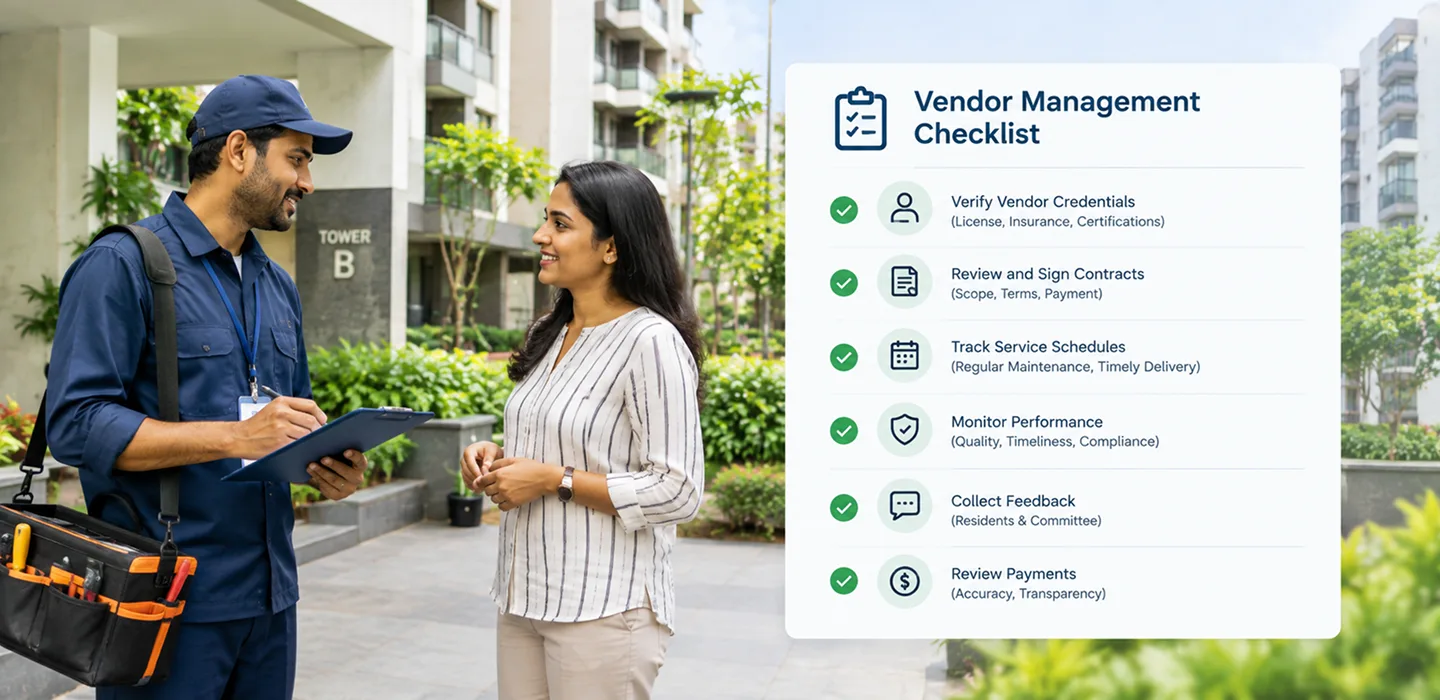
Contract Management: The foundation of any vendor relationship is the contract. It sets the expectations, terms, and conditions for both parties. Effective contract management involves drafting clear, comprehensive agreements that outline the services provided, pricing, timelines, and performance metrics. Regularly reviewing and updating contracts to reflect any changes in services or requirements is essential to avoid disputes and ensure ongoing compliance.
Performance Monitoring: Once a contract is in place, it’s crucial to monitor vendor performance to ensure they meet their obligations. This involves setting key performance indicators (KPIs) and conducting regular evaluations to assess whether vendors are delivering services as promised. Performance monitoring can help identify areas for improvement and ensure accountability.
Relationship Building: Establishing strong relationships with vendors can lead to more effective collaborations. Relationship building involves open communication, regular meetings, and mutual respect. By fostering positive relationships, community managers can negotiate better terms, improve service delivery, and solve problems more efficiently when they arise.
Compliance with Legal Standards: Vendors must comply with various legal and regulatory standards, depending on the services they provide. Community managers must ensure that all vendors have the necessary licenses, insurance, and adherence to safety standards. Regular audits and compliance checks help mitigate risks and protect the community’s interests.
The interplay of these components contributes to a well-rounded vendor management system. By managing contracts, monitoring performance, building strong relationships, and ensuring compliance, community managers can create an environment where vendors provide high-quality, reliable services that meet the needs of residents. This comprehensive approach not only enhances service delivery but also builds trust and confidence among residents, knowing that their community is in capable hands.
Evaluating and Selecting Vendors: Best Practices
Choosing the right vendors is a critical step in establishing a successful vendor management system for residential communities. The selection process needs a systematic approach to ensure that the chosen vendors are capable, reliable, and align with the community's needs. Below is a step-by-step guide to evaluating and selecting vendors effectively.
Step 1: Define Your Requirements
Before beginning the selection process, clearly define the services needed. Outline the scope of work, expected outcomes, and any specific requirements or standards that vendors must meet. This clarity will guide your search and ensure alignment with potential vendors from the outset.
Step 2: Research and Create a Shortlist
Research potential vendors through various channels, such as recommendations, industry directories, and online reviews. Consider factors like reputation, experience, and specialization. Create a shortlist of vendors who appear to align with your requirements and have a proven track record of delivering quality services.
Step 3: Evaluate Proposals
Request detailed proposals from shortlisted vendors. Evaluate each proposal based on cost-effectiveness, service offerings, past performance, and references. Look for transparency in pricing and detailed descriptions of how they plan to meet your community's needs.
Step 4: Conduct Interviews and Site Visits
Interview potential vendors to gauge their understanding of your requirements and their ability to deliver. Site visits to current or past projects can provide insights into their work quality and operational capabilities. These interactions also help assess their professionalism and responsiveness.
Step 5: Finalize and Negotiate Contracts
Once you’ve selected a vendor, negotiate the contract terms to ensure they meet your expectations for quality, cost, and delivery timelines. Clearly outline roles, responsibilities, and performance metrics. Ensure there are provisions for amendments and resolutions of disputes.
Utilizing digital tools can streamline this evaluation process. Platforms like MyKutir provide features that assist in vendor comparison, performance tracking, and contract management, empowering managers to make informed decisions. Ultimately, careful vendor selection lays the groundwork for a successful partnership, ensuring that service delivery meets the community’s standards and contributes to residents’ satisfaction.
How Technology Enhances Vendor Management
Incorporating technology into vendor management can revolutionize the way residential communities coordinate and engage with service providers. Platforms like MyKutir offer comprehensive features that address the complexities of vendor management, making processes more efficient and effective. Here are some ways technology enhances vendor management:
Automated Billing and Invoicing: Technology streamlines financial transactions by automating billing and invoicing processes. This reduces the likelihood of errors, ensures timely payments, and helps maintain accurate financial records. Automated systems also provide transparency and easy access to historical billing data, aiding in budget management and financial planning.
Performance Tracking: Digital platforms enable real-time monitoring of vendor performance through integrated performance tracking features. Managers can set up KPIs and track progress against these metrics, allowing for quicker identification of any service delivery issues. Regular performance reports generated by these systems provide valuable insights for continuous improvement and informed decision-making.
Digital Communication Channels: Effective communication is crucial for successful vendor management. Technology provides a centralized platform where managers and vendors can communicate, share updates, and resolve issues. This reduces misunderstandings and ensures that all parties are aligned on expectations and timelines.
Centralized Data Management: Technology enables the centralization of all vendor-related data, including contracts, performance records, and compliance documents. This centralized system simplifies data retrieval, improves security, and ensures that all information is up-to-date and easily accessible when required.
Integrating technology into vendor management not only optimizes processes but also enhances transparency and accountability. For instance, MyKutir’s platform allows for detailed vendor profiles that include performance ratings and compliance status, aiding in informed decision-making and strategic planning. By leveraging technology, residential communities can improve service delivery, increase operational efficiency, and enhance resident satisfaction, ultimately creating a more harmonious living environment.
Common Vendor Management Challenges and How to Overcome Them
Vendor management in residential communities is not without its challenges. These can range from issues with vendor reliability to disputes over contract terms and compliance issues. Recognizing and addressing these challenges proactively can help communities maintain continuity in service delivery and foster positive vendor relationships.
Vendor Reliability: One of the most common challenges is ensuring vendor reliability. Sometimes vendors may fail to meet deadlines or deliver services at the expected quality level. To overcome this, communities should implement a robust performance monitoring system. Setting clear performance metrics and regularly evaluating vendors against these standards can help identify and resolve issues promptly. Building a reliable vendor pool through detailed evaluations and maintaining a shortlist of alternative vendors can provide a buffer against service disruptions.
Contract Disputes: Disputes over contract terms are another common issue. Misunderstandings regarding service scope, pricing, and timelines can lead to conflicts. To prevent this, communities should ensure that contracts are comprehensive and clearly outline all aspects of the service agreement. Regular contract reviews and amendments in response to changes in service needs can also help maintain clarity and alignment between both parties.
Compliance Issues: Vendors must adhere to various legal and regulatory standards, which can vary by service type and location. Ensuring vendor compliance is crucial to mitigate risks and liabilities. Regular compliance audits and requiring vendors to submit up-to-date documentation of licenses and certifications can help ensure adherence to legal standards. Engaging vendors who prioritize compliance in their operations is also beneficial.
Addressing these challenges requires a proactive approach and the implementation of structured processes. By fostering open communication, conducting regular performance reviews, and maintaining clear, detailed contracts, communities can mitigate many common vendor management challenges. Additionally, leveraging technology can provide tools for efficient contract management, performance tracking, and compliance monitoring, further supporting effective vendor management.
Case Study: Successful Vendor Management in a Residential Community
Imagine a residential community in Bangalore facing persistent issues with their existing security vendor, including frequent staff turnover and lapses in service delivery. The community decided to overhaul its vendor management system, aiming to improve reliability and security service quality.
Strategy and Implementation: The community management committee began by conducting a thorough assessment of their security needs, identifying key areas that required improvement. They then employed a rigorous vendor selection process to find a new service provider, focusing on vendors with a strong reputation for reliability and experienced management teams. The committee prioritized vendors that offered advanced technology integration, such as real-time monitoring and automated reporting features.
Upon selecting a new vendor, the community established a detailed contract that outlined specific service standards and performance metrics. Regular performance evaluations were conducted, and a transparent feedback mechanism was introduced, allowing residents to voice concerns directly to the management committee. The vendor was required to submit monthly reports and participate in quarterly review meetings to discuss performance and address any issues.
Challenges and Solutions: Throughout the transition period, the community faced challenges such as adapting to new technology tools and aligning schedules for periodic performance reviews. To address these, they provided training sessions for both their staff and the security vendor, ensuring that everyone was comfortable with the new technology systems. Flexibility was built into the contract to allow for schedule adjustments based on ongoing feedback.
Outcomes: Within six months, the community observed a marked improvement in security services. Incidents of service lapses decreased significantly, and residents reported higher satisfaction levels with the revamped security measures. The community management committee also noticed an increase in positive feedback from residents during meetings, indicating greater trust and confidence in the vendor management process.
This case study highlights the importance of a structured vendor management approach and the benefits of integrating technology into service management. Through meticulous planning, effective communication, and continuous performance evaluation, the residential community was able to significantly enhance their security services and resident satisfaction.
Comparison: Manual vs. Digital Vendor Management
As residential communities strive to improve efficiency and service quality, transitioning from manual to digital vendor management solutions offers compelling benefits. Here, we compare manual approaches with digital solutions across key dimensions.
| Aspect | Manual Vendor Management | Digital Vendor Management |
|---|---|---|
| Efficiency | Manual processes are often time-consuming and prone to human error, requiring significant administrative effort. | Digital solutions streamline processes through automation, reducing time spent on administrative tasks and minimizing errors. |
| Data Accuracy | Maintaining accurate records manually can be challenging, with a higher risk of data discrepancies. | Automation in digital systems ensures data integrity and accuracy, with real-time updates minimizing discrepancies. |
| Scalability | Scaling operations manually can be complex and resource-intensive, limiting growth potential. | Digital systems offer scalable solutions, allowing communities to easily adapt and expand vendor management operations. |
| Transparency | Manual record-keeping can lack transparency, making performance tracking and accountability challenging. | Digital platforms enhance transparency through centralization of data, allowing for quick access and better accountability. |
| Communication | Communication with vendors often relies on emails and calls, which can be inefficient and prone to miscommunication. | Centralized digital communication channels improve clarity and ensure seamless interactions with vendors. |
The decision to transition to digital vendor management systems can transform how residential communities operate, offering significant improvements in efficiency, scalability, and transparency. With tools like MyKutir, community managers can streamline interactions with vendors, maintain accurate records, and enhance service quality, ultimately creating a more harmonious living environment for residents.
Step-by-Step Guide to Implementing a Vendor Management System
Implementing a vendor management system in a residential community involves a strategic approach to ensure successful adoption and operation. Below is a comprehensive step-by-step guide to help community managers navigate the implementation process effectively.
Step 1: Assess Current Processes
Begin by evaluating existing vendor management practices to identify areas that require improvement. Gather feedback from residents, community staff, and current vendors to understand pain points and opportunities for enhancement.
Step 2: Define Objectives and Requirements
Clearly outline the goals and requirements for the new vendor management system. Consider factors such as service quality, cost efficiency, compliance, and scalability. Defining these objectives will guide the selection of appropriate technology solutions and implementation strategies.
Step 3: Select a Vendor Management Platform
Research and choose a vendor management platform that aligns with your community's needs. Platforms like MyKutir offer comprehensive features including automated billing, performance tracking, and digital communication channels that can enhance efficiency and accountability.
Step 4: Plan the Implementation Process
Create a detailed implementation plan that includes timelines, responsibilities, and milestones. Engage all stakeholders, including community staff and residents, to ensure buy-in and support for the new system. Effective communication during this phase is crucial for successful adoption.
Step 5: Onboard Vendors and Train Staff
Work with current and new vendors to integrate them into the new system. Provide training sessions to ensure that vendors understand how to use the platform effectively. Similarly, train community staff on the system's functionalities, focusing on areas like performance monitoring and contract management.
Step 6: Roll Out the System
Launch the vendor management system according to the implementation plan. Monitor the transition closely, addressing any issues that arise promptly. Regular feedback mechanisms can help identify areas for further improvement and ensure a smooth transition.
Step 7: Monitor and Optimize
After implementation, continuously monitor the system's performance. Gather feedback from residents, vendors, and staff to identify areas for optimization. Regularly update the system to incorporate new features and address changing community needs.
Implementing a vendor management system is a transformative process that requires careful planning and execution. By following these steps, residential communities can enhance operational efficiency, improve service quality, and create a more cohesive living environment for residents.
FAQs on Vendor Management in Residential Communities
What is vendor management in the context of residential communities?
Vendor management in residential communities refers to the process of selecting, overseeing, and coordinating with various service providers to maintain and enhance community amenities and infrastructure. This includes services such as maintenance, security, housekeeping, and landscaping. Effective vendor management ensures that these services meet the quality standards expected by residents, contributing to their overall satisfaction and the smooth operation of the community. By fostering strong relationships with vendors and implementing robust management practices, communities can ensure reliable, consistent service delivery.
How do I choose the right vendors for my housing society?
Choosing the right vendors involves a thorough evaluation process. Start by defining the specific services your community needs and outlining the expected standards. Research potential vendors through recommendations, online reviews, and industry directories, focusing on their reputation, past performance, and reliability. Request detailed proposals from shortlisted vendors and evaluate them based on criteria like cost-effectiveness, service offerings, and transparency. Conduct interviews and, if possible, site visits to gauge their capability and professionalism. Finalize your choice by negotiating a clear, comprehensive contract that reflects your community's needs.
What are the benefits of using a digital system for vendor management?
Digital systems for vendor management offer numerous benefits that streamline operations and enhance service delivery. They automate administrative tasks like billing and invoicing, reducing errors and improving accuracy. Digital platforms enable real-time performance tracking, providing insights into vendor compliance and service quality. These systems also facilitate better communication through centralized communication channels, eliminating misunderstandings and improving collaboration. Overall, digital vendor management systems improve efficiency, transparency, and scalability, creating a more responsive and adaptable environment for managing vendor relationships.
How can technology help in managing vendor contracts and performance?
Technology plays a crucial role in managing vendor contracts and performance by providing tools for automation, monitoring, and analysis. Digital platforms streamline contract management through automated workflows, ensuring contracts are regularly reviewed and updated to reflect changing requirements. Performance monitoring features allow managers to set KPIs and track vendor compliance, identifying service delivery issues promptly. Additionally, technology facilitates data centralization, offering easy access to contract details, performance metrics, and compliance documentation, all of which support informed decision-making and strategic planning.
What are common challenges in vendor management and how can they be addressed?
Common challenges in vendor management include vendor reliability, contract disputes, and compliance issues. Addressing vendor reliability involves establishing clear performance metrics and conducting regular evaluations to ensure accountability. Contract disputes can be minimized by drafting comprehensive agreements that outline all service terms and conditions, with regular reviews to accommodate changes. Compliance issues require regular audits and thorough documentation checks to ensure all vendors meet necessary legal standards. Proactive communication, structured processes, and leveraging technology for oversight and management are key strategies in overcoming these challenges effectively.
Key Takeaways
- Effective vendor management in residential communities enhances service quality and resident satisfaction, impacting overall community reputation and property values.
- Key components include contract management, performance monitoring, relationship building, and legal compliance, each playing a crucial role in successful vendor management.
- Choosing the right vendors involves a systematic evaluation process based on reputation, cost, performance, and alignment with community needs.
- Technology, such as platforms like MyKutir, enhances vendor management by automating processes, improving communication, and providing tools for performance tracking.
- Common challenges such as vendor reliability and compliance can be addressed through structured processes, clear contracts, and proactive communication.
- Implementing a vendor management system requires careful planning and training but leads to improved operational efficiency and service quality.
- Transitioning from manual to digital vendor management systems offers significant benefits in efficiency, accuracy, and scalability.