Maximizing the Effectiveness of Security Guards in Residential Societies: A Comprehensive Guide
By MyKutir Editorial Team — 2026-08-09
Explore strategies and technologies to enhance the efficiency of security guards in residential societies, ensuring safety and smooth operations.
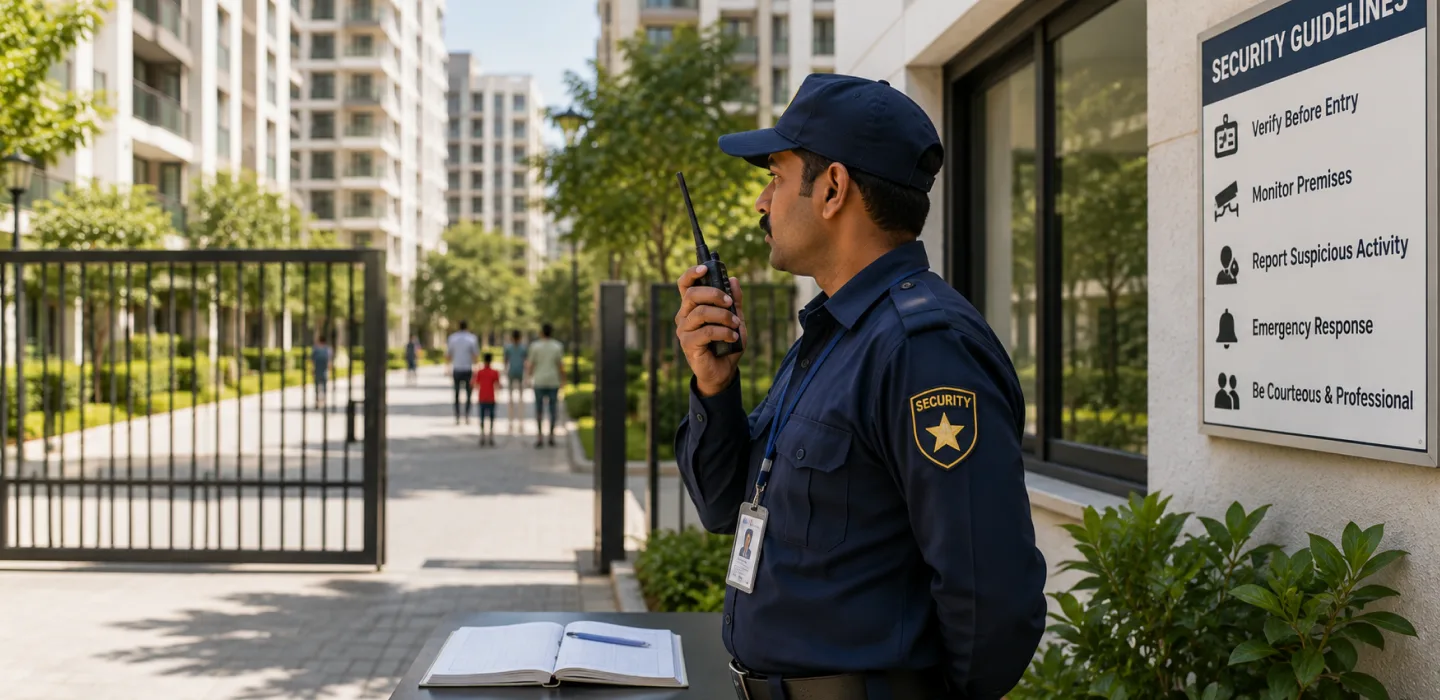
In the contemporary landscape of Indian residential societies, security remains a top priority. The presence of security guards plays a crucial role in ensuring the safety and comfort of residents. These personnel are often the first line of defense against potential threats, and their presence alone can serve as a significant deterrent to criminal activity. However, the importance of security personnel goes beyond just visible deterrence; they are instrumental in enforcing community rules, managing visitor entry, and providing assistance in emergency situations.
Security guards in residential societies face a unique set of challenges. They must navigate the dynamics of varied resident expectations while maintaining a vigilant and neutral stance. Often, they are required to perform a multitude of tasks that demand both physical presence and interpersonal skills. From handling unauthorized entries to managing parking issues and responding to emergency alarms, their role is multifaceted and complex.
Moreover, security guards must operate within the confines of societal regulations, balancing the sometimes conflicting needs of privacy and security. This balancing act requires them to be well-versed in protocols and respectful of residents' personal spaces while ensuring community safety. Addressing complaints tactfully and maintaining a professional demeanor are crucial, yet this can be challenging in high-pressure scenarios.
The effective deployment of security personnel can significantly impact the overall safety perception within a community. Residents tend to feel more secure knowing that their society has a robust security mechanism in place. This sense of security contributes to a more harmonious living environment, enhancing the quality of life for all community members.
Integrating Security Guards with Technology
Incorporating technology into traditional security practices can dramatically increase the effectiveness of security guards in residential societies. The advent of AI-driven platforms and sophisticated visitor management systems has revolutionized how security operations are conducted. For instance, MyKutir's gate management features are an exemplar of how societies can streamline operations and bolster their security protocols.
Technology enables security guards to manage entries and exits more efficiently. By utilizing automated visitor management systems, guards can quickly verify visitor credentials, track entry and exit times, and maintain a digital log of all visitors. This not only improves accuracy but also reduces the time spent on manual check-ins, allowing guards to focus on other critical tasks.
Moreover, integrating communication tools ensures that guards are always connected with the management and residents. Instant alerts and notifications can be sent and received, enhancing response times in emergencies. Surveillance systems equipped with AI can monitor the premises continuously, alerting security personnel to unusual activities and allowing them to react proactively rather than reactively.
Another critical advantage is data analytics. Advanced systems can analyze security data over time, identifying patterns that could indicate potential vulnerabilities. This insight allows societies to preemptively address security concerns before they escalate into serious threats.
In essence, the fusion of human vigilance with technological prowess creates a robust security framework that not only prevents incidents but also fosters a safe and secure living environment. Employing a technology-driven approach enhances the efficacy of security guards, enabling them to perform their duties more effectively and with greater confidence.
Effective Training Programs for Security Personnel
A comprehensive training program is essential for equipping security guards with the necessary skills to excel in their roles. Training should encompass a variety of competencies, including conflict resolution, effective communication, and emergency response preparedness. These skills are crucial for managing the diverse and dynamic scenarios that security personnel encounter in residential societies.
Conflict resolution is a critical area where security guards need to be proficient. They are often the first called upon to defuse tense situations between residents or visitors. Training programs should include role-playing exercises that help guards practice de-escalation techniques, teaching them to maintain composure and resolve disputes amicably.
Communication skills are equally important, as guards need to interact with residents, management, and emergency services. Workshops focusing on clear and assertive communication can help guards convey information effectively and ensure that they are understood correctly. Training should also emphasize active listening, allowing guards to understand and address residents' concerns more effectively.
Emergency response training is paramount. Guards must be prepared to handle a range of critical scenarios, from fire evacuations to medical emergencies. A thorough understanding of society's emergency procedures, as well as first aid and CPR training, can make a significant difference in the outcome of an emergency situation.
Continuous training and workshops ensure that security guards remain up-to-date with the latest practices and technologies. Regular refresher courses and seminars can provide them with new skills and knowledge, boosting their confidence and effectiveness on the job. Additionally, involving guards in feedback loops can help tailor training programs to address specific challenges faced within the society.
Ultimately, a well-trained security workforce not only enhances the safety of a residential society but also contributes to a more professional and responsive community environment.
Common Pitfalls in Security Management
Managing security in residential societies can come with a host of challenges, and there are several common pitfalls that can undermine the effectiveness of security operations. Addressing these issues proactively is key to maintaining a secure environment for residents.
One of the most frequent mistakes is the lack of a proper communication system among security teams, management, and residents. Without an effective way to share information quickly, misunderstandings and delays in response can occur, potentially compromising security. Implementing a robust communication framework, such as a dedicated mobile app or a centralized communication hub, can streamline information sharing and ensure that everyone is on the same page.
Insufficient training is another major pitfall. Security guards who are not adequately trained may struggle to handle routine tasks and emergencies confidently. As discussed earlier, comprehensive and ongoing training programs are essential for preparing guards to manage a wide array of situations effectively.
Unclear roles and expectations can also lead to confusion and inefficiencies within a security team. It is crucial for management to clearly define the responsibilities of each guard and communicate these expectations clearly. Role-specific training can also help ensure that guards understand their duties and can perform them competently.
Another common issue is the underutilization of technology. Many societies still rely heavily on manual processes, which can be slow and prone to errors. Incorporating technology, like visitor management systems and surveillance cameras, can greatly enhance the efficiency and effectiveness of security operations. However, to avoid the pitfall of ineffective technology implementation, it's important to ensure that the chosen systems are user-friendly and that guards are adequately trained to use them.
To overcome these challenges, societies must invest in the right communication tools, provide comprehensive training, clearly define roles, and effectively integrate technology. By doing so, they can create a more secure and efficient environment for all residents.
Case Study: Successful Security Implementation
Consider a hypothetical scenario of a residential society named Green Acres, which faced challenges with its outdated security management practices. The society struggled with manual visitor logs, slow response times, and a lack of resident confidence in security measures. In response to these issues, the society decided to undertake a strategic overhaul of its security management system.
The first step Green Acres took was to integrate a digital visitor management system, replacing the cumbersome paper logbooks. This technology allowed security personnel to quickly register and verify visitors using digital devices, reducing wait times and improving accuracy. This change also enabled the management to maintain a real-time database of all visitors, enhancing the overall security posture.
Next, the society invested in training programs for its security guards. Recognizing the importance of well-rounded training, they included modules on conflict resolution, emergency response, and communication skills. Guards were also trained on using the new digital systems, ensuring they were comfortable and proficient with the technology.
In addition, Green Acres implemented a robust communication system, allowing guards to efficiently relay information to management and residents. This system included a mobile app that provided instant notifications of security incidents and allowed residents to report suspicious activities. By improving communication, the society fostered a sense of shared responsibility for security among all residents.
As a result of these strategic changes, Green Acres saw significant improvements in its security operations. Response times to incidents decreased, and residents reported a higher sense of security and satisfaction. The successful implementation of these measures not only enhanced the safety of the community but also strengthened the trust between residents and the security team.
This scenario illustrates how strategic planning, investment in technology, and comprehensive training can transform security management in a residential society, creating a safer and more cohesive community.
Step-by-Step Guide to Evaluating Security Effectiveness
Evaluating the effectiveness of security measures is crucial for maintaining a safe residential environment. Here is a step-by-step guide to help societies assess their current security operations and identify areas for improvement.
Step 1: Conduct Security Audits
Regular security audits are essential to understand the current state of security measures. These audits should include a thorough examination of physical security features, such as gates, locks, and surveillance cameras. In addition, evaluate the effectiveness of current protocols and procedures. Engage an independent third-party expert to provide an objective assessment and identify any vulnerabilities.
Step 2: Gather Resident Feedback
Residents are valuable sources of information on security effectiveness. Conduct surveys and focus group discussions to gather insights on their perceptions of safety and security. Pay special attention to any reported incidents or complaints, as these can highlight areas needing improvement.
Step 3: Evaluate Response Times
Track and analyze the response times of security personnel to various incidents, including emergencies, unauthorized entries, and resident complaints. This data will provide insights into the efficiency and readiness of the security team. Look for patterns in response times that may indicate potential bottlenecks or areas for training.
Step 4: Assess Technology Utilization
Review the use of technology in your security operations. Evaluate whether current systems, such as visitor management or surveillance, are being used effectively and if they meet the needs of the society. Consider if upgrades or additional training are required to optimize technology use.
Step 5: Review Training Programs
Analyze the training programs provided to security personnel. Ensure that they cover all necessary skills and include regular refresher courses. Solicit feedback from guards on the training they receive to identify any gaps or areas for improvement.
By following these steps, societies can gain a comprehensive understanding of their security measures' effectiveness and make informed decisions on enhancements to ensure the continued safety of their residents.
Comparison: Manual Security vs. Technology-Assisted Security
When it comes to security management in residential societies, there are notable differences between traditional manual approaches and modern technology-assisted methods. Below is a comparison highlighting key aspects of both approaches:
| Aspect | Manual Security | Technology-Assisted Security |
|---|---|---|
| Efficiency | Highly dependent on human vigilance, prone to errors, and time-consuming. | Automated processes improve speed and accuracy, allowing personnel to focus on critical tasks. |
| Response Time | Can be slow due to manual coordination, resulting in delayed reactions. | Instant notifications and real-time monitoring enable quicker responses to incidents. |
| Cost-Effectiveness | Lower upfront costs but can lead to higher long-term expenses due to inefficiencies. | Requires initial investment but offers long-term savings through reduced personnel costs and increased efficiency. |
| Record Keeping | Manual logs are often inaccurate and difficult to manage. | Digital records are precise, easily accessible, and can be analyzed for insights. |
| Scalability | Limited ability to scale operations as society grows. | Highly scalable, allowing systems to grow with the society's needs. |
Overall, while manual security methods have been the traditional approach, technology-assisted security offers significant advantages in terms of efficiency, response time, and long-term cost savings. By leveraging technology, societies can enhance their security operations and provide a safer environment for residents.
Creating a Security Culture in Residential Societies
Building a security-conscious culture within a residential society is a collective effort that involves both the management and residents. A proactive approach to security can significantly enhance the safety and cohesion of the community. Here are some strategies to foster a security culture:
Firstly, it is essential to engage residents in security initiatives actively. This can be achieved by organizing regular meetings or workshops to discuss security concerns and create awareness about the importance of vigilance. Encouraging residents to share their knowledge and experiences can help build a sense of community and shared responsibility for security.
Establishing clear communication channels is crucial. Provide residents with easy and anonymous ways to report suspicious activities, such as dedicated phone lines or mobile app features. Ensuring that residents know their reports will be taken seriously and acted upon can encourage more proactive participation in security measures.
Another effective strategy is to organize community-wide security drills or training sessions. These events can educate residents about emergency procedures and the role they play in ensuring their safety and that of their neighbors. Drills can also highlight the importance of cooperation and coordination during emergencies.
Creating and distributing a security bulletin or newsletter can keep residents informed about recent incidents, security tips, and updates on security measures. Regular communication helps maintain awareness and reinforces the importance of a security-conscious mindset.
Finally, recognizing and rewarding residents who actively contribute to community security can motivate others to get involved. This could be through formal recognition at society meetings or small incentives for those who report useful information.
In conclusion, cultivating a security culture requires ongoing effort and communication. By engaging residents, providing education, and fostering a sense of community, societies can enhance their security environments and create safer, more cohesive living spaces.
FAQs on Security Guards in Residential Societies
What are the primary duties of security guards in a residential society?
Security guards in residential societies have several key responsibilities. Their primary duty is to safeguard the premises, which involves monitoring entry and exit points to prevent unauthorized access. They also conduct regular patrols to deter potential criminal activity and ensure that all areas of the property are secure. Additionally, security guards are responsible for managing visitor logs and assisting residents and guests with directions or queries. In the event of an emergency, guards coordinate evacuation procedures and liaise with emergency services. It's important for guards to remain vigilant and professional at all times to maintain the safety and peace of the community.
How can technology enhance the effectiveness of security guards?
Technology can significantly enhance the effectiveness of security guards by automating routine tasks and providing them with critical information quickly. For example, visitor management systems can streamline the entry process, allowing guards to verify information rapidly and accurately. Surveillance cameras equipped with AI can alert guards to potential security breaches, enabling a quicker response. Communication tools, such as mobile apps, facilitate instant information sharing between guards, management, and residents, improving coordination and response times. Overall, technology augments the capabilities of security personnel, allowing them to focus on more complex security challenges rather than routine administrative tasks.
What should be included in a security guard training program?
A comprehensive security guard training program should cover a range of topics to prepare personnel for their roles effectively. Key areas of focus should include conflict resolution skills to help guards manage disputes and de-escalate tense situations. Training should also emphasize effective communication, enabling guards to interact clearly and professionally with residents and colleagues. Emergency response training is critical, covering scenarios such as fires, medical emergencies, and evacuations. Guards should also be trained to use any technology integrated into the society's security systems, such as surveillance cameras or visitor management software. Regular refresher courses are important to keep skills sharp and knowledge current.
How can residents contribute to security in their society?
Residents play a crucial role in enhancing the security of their society by remaining vigilant and reporting any suspicious activities. Participating in community meetings or workshops on security can help residents stay informed about security measures and protocols. By building relationships with their neighbors, residents can create a supportive network that enhances communal safety. It's also important for residents to adhere to society's security protocols, such as not sharing access codes or leaving gates open. By engaging in these practices, residents can actively contribute to a safer living environment for everyone.
What are the advantages of using a digital visitor management system?
A digital visitor management system offers several advantages over traditional manual methods. Firstly, it significantly reduces the time required to process visitors, as information can be recorded and verified electronically. This enhances the accuracy of visitor logs and ensures better record-keeping. Digital systems also provide real-time data access, allowing management to monitor visitor flow and identify patterns. Security alerts can be automatically generated in case of unauthorized attempts to access the premises. These systems improve overall security by reducing human errors and ensuring that only approved individuals gain entry, thereby increasing the safety and efficiency of the society's security efforts.
How often should security audits be conducted?
Security audits should be conducted regularly to ensure that security measures remain effective and up to date. Ideally, a comprehensive audit should be performed annually, with smaller, focused audits conducted quarterly. These audits should assess both physical security features and procedural effectiveness. Additionally, whenever significant changes occur, such as renovations or updates to security systems, an audit should be conducted to address potential vulnerabilities. Regular audits help identify weaknesses and ensure compliance with any legal or regulatory requirements, ultimately contributing to a safer residential environment.
What common mistakes should be avoided in security management?
Several common mistakes can undermine effective security management. One major error is the lack of a clear communication strategy, leading to delayed responses and inefficiencies. Failing to provide adequate training for security personnel is another common pitfall, as untrained guards may not respond properly in critical situations. Additionally, not clearly defining roles and responsibilities can create confusion among the security team. It's also important to avoid relying too heavily on manual processes, which are prone to human error. Properly integrating technology and conducting regular training and audits can help mitigate these mistakes and improve overall security management.
Key Takeaways
- Security guards play a vital role in maintaining the safety and comfort of residential societies, facing diverse challenges that require comprehensive training and support.
- Integrating technology with traditional security practices enhances efficiency and responsiveness, with systems like MyKutir's gate management offering specific benefits.
- Effective security guard training should include conflict resolution, communication, and emergency preparedness, with continuous learning opportunities.
- Common pitfalls in security management, such as poor communication and underutilized technology, can be addressed with strategic planning and investment.
- A hypothetical case study of Green Acres illustrates how strategic changes can significantly improve security management and resident satisfaction.
- Evaluating security effectiveness involves audits, feedback, and technology assessments to ensure robust security operations.
- Comparing manual and technology-assisted security highlights the increased efficiency and cost-effectiveness of modern approaches.
- Creating a security culture requires resident engagement, clear communication, and proactive participation in security measures.
- FAQs provide insights into the primary duties of security guards, the role of technology, and best practices in security management.