Resident Guide to Effective Committee Engagement in Housing Societies
By MyKutir Editorial Team — 2026-08-18
Explore practical strategies for effective resident engagement with housing society committees to enhance community living.
Housing society committees play a pivotal role in the management and administration of residential complexes in India. These committees, typically comprising elected representatives from the resident community, are responsible for overseeing a wide range of functions crucial for the smooth operation of the society. At their core, these committees manage the society's finances, handle maintenance of common areas, enforce rules and regulations, and organize community events to foster a sense of belonging among residents.
Understanding the Role of Housing Society Committees
The responsibilities of housing society committees are multifaceted, encompassing financial management, maintenance oversight, and community building. Financial management involves budgeting, collecting maintenance charges, and ensuring that funds are allocated judiciously for the upkeep and improvement of the society. This often includes decisions on investments, as well as ensuring compliance with statutory requirements such as GST where applicable. It's important to note that thresholds and rules for such compliance vary by state and can change over time, so committees should regularly consult with their chartered accountant or registrar.
On the maintenance front, committees are responsible for the regular upkeep of shared amenities like parks, clubhouses, and swimming pools. They must also address repair needs promptly to prevent small issues from escalating into costly problems. This includes everything from fixing leaky pipes to maintaining the security infrastructure. Beyond physical maintenance, committees play a critical role in enforcing the society's by-laws and ensuring rules are applied fairly to foster harmonious living.
Committee members have the duty to organize and promote social and cultural events, which help build community spirit. Whether it's a Diwali celebration, a Holi gathering, or a simple weekend meet-up, these events are crucial for encouraging interaction among residents and creating a vibrant community life.
Legally, housing society committees operate within the frameworks provided by various state-specific acts such as the Societies Registration Act 1860 or the respective state Cooperative Societies Act. These acts guide the formation, functioning, and regulation of housing societies. However, since specific procedures and requirements can vary widely between states, committees must ensure their actions are compliant with local laws — liaising with legal experts when necessary.
The Importance of Resident Participation
Resident participation in housing society committees is not just beneficial; it is essential for effective governance. An engaged resident base contributes to more transparent, accountable, and responsive decision-making processes. When residents take an active role in committee affairs, it leads to decisions that better reflect the community's collective needs and desires, thus enhancing satisfaction levels across the board.
Participation fosters transparency in committee operations. By attending meetings and asking questions, residents can hold committee members accountable and stay informed about the society's financial health and operational decisions. This openness not only builds trust but also helps dispel misinformation, which can often lead to unrest or dissatisfaction among residents.
Moreover, active resident participation ensures that diverse perspectives are considered in the decision-making process. With input from a broad cross-section of the community, committees can make more balanced decisions that cater to various demographic and cultural segments within the society. This inclusiveness often results in innovative solutions and improvements that might not emerge from a closed group.
From a sociocultural standpoint, resident involvement in committee activities strengthens the community fabric. It empowers residents by giving them a voice in the affairs that impact their daily lives and encourages a sense of ownership and pride in their living environment. Active participation also provides residents with opportunities to contribute their skills and expertise, whether in finance, events planning, or maintenance, thereby enhancing community resourcefulness.
Ultimately, the more engaged the residents, the healthier the community. This engagement translates into increased vigilance, more voluntary contribution of time and resources, and a more vibrant, connected living space that everyone can enjoy. Residents should feel encouraged to attend meetings, participate in discussions, and even run for committee positions to ensure their voices are part of the conversation.
Strategies for Enhancing Resident Engagement
Enhancing resident engagement requires deliberate strategies that prioritize communication, inclusivity, and collaboration. One of the most effective strategies is to hold regular meetings with clear agendas. Routine meetings allow residents to stay informed and provide inputs on ongoing and upcoming initiatives. These should be scheduled at convenient times to maximize attendance and include virtual options for those unable to attend in person.
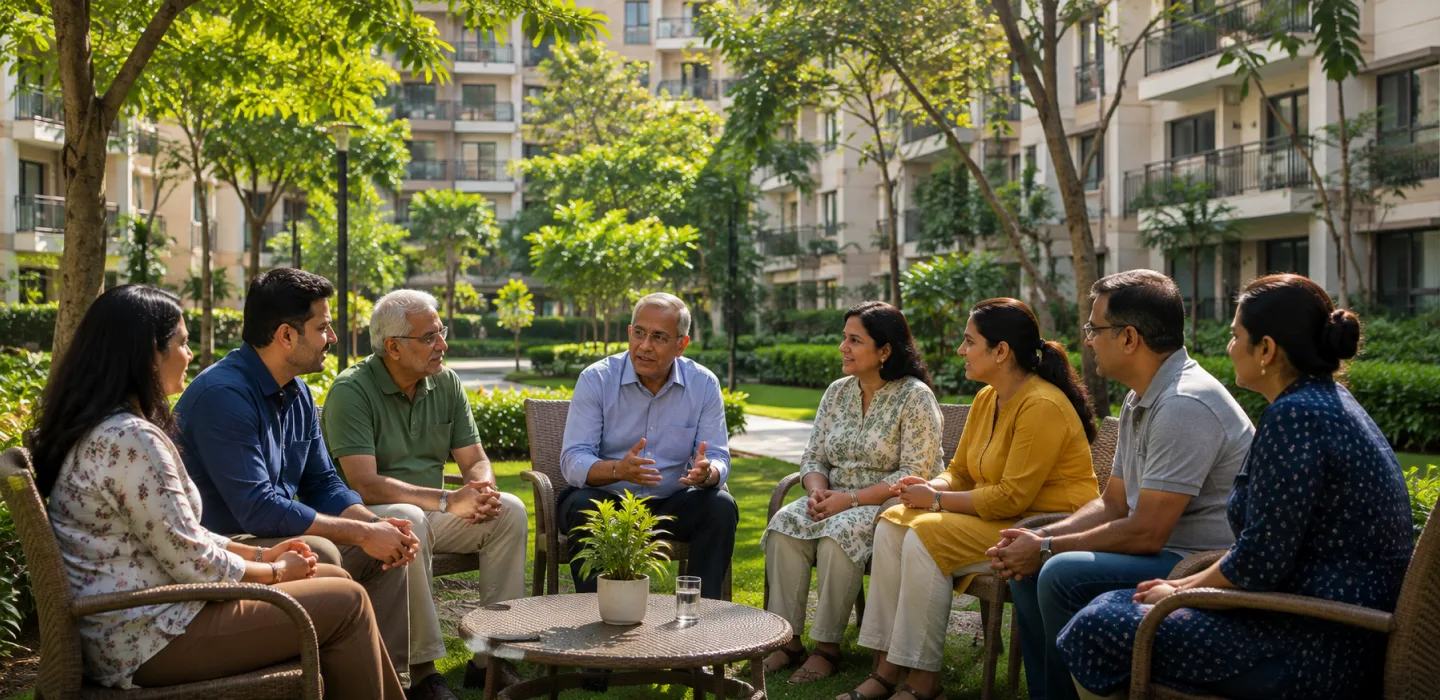
Open and honest communication channels are vital for engagement. Committees should ensure that residents have multiple ways to voice their concerns, suggestions, and feedback. This can be achieved through dedicated email addresses, online forums, or suggestion boxes placed in common areas. Additionally, committees might consider hosting informal meetups or "town hall" style meetings where residents can engage in open dialogue with committee members in a relaxed setting.
Inclusive decision-making processes are crucial. By involving residents in decision-making, committees can enhance buy-in and reduce resistance to new policies. This can be done through surveys or polls on significant decisions, allowing residents to express their preferences directly. For example, before embarking on a large project like installing new security systems, a survey could gauge whether residents prefer options like CCTV or increased security personnel.
Committees should also focus on fostering a collaborative environment. Encouraging residents to volunteer for sub-committees or task forces on specific issues, such as environmental sustainability or cultural events, can increase participation. Recognizing and celebrating contributions, whether through newsletters or social media shout-outs, reinforces a culture of appreciation and motivates further involvement.
Finally, transparency in all dealings and decisions is crucial. Regularly publishing minutes of meetings, financial reports, and future plans on a dedicated portal or noticeboard ensures that residents are well-informed about the society's direction. This openness builds trust and reassures residents that their voices are heard and respected.
Leveraging Technology for Better Communication
In an era where technology permeates every facet of our lives, leveraging digital platforms is a game-changer for improving communication between residents and housing society committees. Platforms like MyKutir offer a suite of tools designed to enhance resident engagement and streamline administrative processes.
One of the standout features of MyKutir is its notice drafting and management system. Committee members can easily draft and publish notices directly to the community, ensuring timely dissemination of important information. This feature is particularly valuable for announcements that require immediate attention, such as changes in water supply schedules or security alerts. Moreover, using digital notices eliminates the dependency on physical notice boards, which may not be accessible to all residents at all times.
Additionally, MyKutir's complaint management system empowers residents to raise issues or concerns directly through the platform. Residents can track the status of their complaints in real-time, ensuring accountability and timely resolution by the committee. This feature not only makes the process more transparent but also reduces the burden on committee members by streamlining complaint handling.
Furthermore, the platform's RAG (Red, Amber, Green) search over notices feature allows residents to filter and prioritize notifications based on urgency or importance, ensuring critical updates are never missed. This functionality is particularly useful for larger societies where the volume of notices can be overwhelming.
Beyond notices, digital platforms like MyKutir facilitate better interaction through forums and discussion boards where residents can engage in discussions about society matters. These digital spaces provide a platform for dialogue, fostering community bonds and enabling residents to contribute their ideas and suggestions easily.
Incorporating technology into society management not only streamlines processes but also gives residents the flexibility to engage on their terms. These platforms bridge the gap between residents and committees, ensuring that communication is efficient, inclusive, and accessible to all.
Best Practices for Conducting Effective AGMs
Annual General Meetings (AGMs) are cornerstone events in a housing society's calendar, serving as a formal occasion for reviewing the past year's activities and setting the agenda for the future. Conducting effective AGMs requires careful planning and execution to ensure that they are inclusive, participatory, and productive.
Setting a clear and comprehensive agenda well in advance is crucial. The agenda should cover all key issues, including financial statements, upcoming projects, and any significant changes in society rules or regulations. Sharing the agenda ahead of the meeting gives residents time to prepare questions and comments, fostering a more productive discussion.
Effective communication is key to maximizing attendance. Announcements about the AGM should be disseminated through multiple channels — digital platforms, email, physical notice boards, and word-of-mouth reminders to ensure no resident is left uninformed.
During the AGM, maintaining an orderly flow of proceedings is essential. A designated moderator can help keep discussions on track, ensuring that all agenda items are covered without devolving into lengthy debates. It's also important to allocate time for open floor discussions, giving residents the opportunity to raise issues not on the agenda.
Voting on important issues should be conducted transparently and fairly. Digital voting systems can be employed to streamline the process and ensure that results are accurate and quickly tabulated. Where digital capabilities are not available, pre-prepared ballots and clear voting procedures can help maintain integrity.
Documentation and follow-up are crucial to ensure that decisions made during the AGM are implemented effectively. Minutes of the meeting should be circulated promptly, highlighting key decisions and action points. This ensures accountability and keeps residents informed about the outcomes of the discussions.
Finally, soliciting feedback on the AGM process itself can provide valuable insights for future improvements. Understanding what worked well and what needs refining helps committees continuously enhance their approach to AGMs, making them more effective year over year.
Case Study: A Housing Society's Journey to Improved Engagement
Consider a fictional housing society, "Green Meadows Residency," poised at the brink of a transformation in resident engagement. Initially, the society faced numerous challenges: low attendance in meetings, lack of transparency in decision-making, and poor communication between the committee and residents, leading to dissatisfaction and unrest.
The committee, acknowledging these challenges, decided to implement several changes aimed at improving engagement. They began by enhancing communication channels, adopting a digital platform akin to MyKutir to streamline notice dissemination and feedback collection. This move was positively received as it provided residents with timely updates and a direct line for voicing concerns.
Recognizing the importance of inclusivity, the committee initiated regular bi-monthly meetings, inviting residents not only to participate but also to help shape the agendas. This move not only increased attendance but also encouraged a broader range of viewpoints to be expressed during discussions. Additionally, sub-committees were established for specific areas such as waste management and community events, offering more residents the opportunity to engage directly with issues of interest.
The society also focused on transparency by publishing detailed minutes of meetings and financial statements on their new digital platform. This transparency built trust and reassured residents that their concerns were being addressed responsibly.
Over time, these efforts bore fruit. Resident satisfaction increased significantly, as reflected in surveys conducted by the society. Moreover, the number of candidates standing for committee elections doubled, indicative of heightened interest and commitment to community governance.
By fostering a culture of openness and collaboration, Green Meadows Residency transformed its community dynamics, creating a more engaged and harmonious living environment. This case study highlights that with strategic planning and a genuine commitment to resident involvement, housing societies can overcome challenges and achieve effective engagement.
Common Mistakes in Resident-Committee Interactions
Despite the best intentions, interactions between residents and housing society committees can sometimes falter, leading to misunderstandings, inefficiencies, and conflict. Identifying and addressing common pitfalls is crucial to fostering a harmonious and effective governance environment.
One frequent mistake is poor communication. When there's a lack of timely and clear communication from the committee, residents may feel neglected or uninformed, leading to frustration and disengagement. This can be mitigated by establishing consistent communication channels and routines for updates, ensuring residents always have the latest information on society matters.
Lack of transparency in decision-making processes is another common issue. When decisions appear to be made without adequate resident input or explanation, it can lead to mistrust and resistance. Committees should strive to include residents in discussions, clearly explain the rationale behind decisions, and provide access to meeting minutes and financial reports.
Complacency in addressing resident grievances can also erode trust. Ignoring or delaying responses to complaints can make residents feel undervalued. A structured and responsive complaint management system can ensure that issues are addressed promptly and satisfactorily.
Committees may struggle with inclusivity, failing to consider the diverse perspectives within their community. This can result in policies that do not reflect the needs of all residents. Actively soliciting feedback from various resident groups and ensuring diverse representation in committees can help avoid this pitfall.
Another common mistake is inadequate preparation and execution of AGMs and other meetings, which can lead to disorganized proceedings and unproductive outcomes. Proper planning, clear agendas, and effective moderation are key to addressing this issue.
By recognizing these common missteps and actively working to avoid them, committees can foster better relations with residents, leading to a more cohesive and well-managed housing society.
Comparison Table: Digital Tools vs. Traditional Methods
In the realm of housing society management, the choice of communication and management tools can significantly impact efficiency and resident satisfaction. Below is a comparison of digital tools like MyKutir against traditional methods such as physical notice boards and manual voting.
| Aspect | Digital Tools | Traditional Methods |
|---|---|---|
| Communication | Instant dissemination via apps and emails; searchable records. | Physical notice boards require manual updates; limited reach. |
| Accessibility | Accessible 24/7 from anywhere via internet. | Limited to physical presence; notices often go unseen. |
| Feedback | Direct channels for complaints and suggestions; real-time tracking. | Suggestion boxes; no immediate acknowledgment or updates. |
| Voting | Digital voting allows for quick, accurate, and secure counting. | Manual voting is time-consuming and prone to errors. |
| Cost | Initial investment in software; reduces long-term administrative costs. | Low initial cost but high ongoing administrative burden. |
| Inclusivity | Encourages wider participation through various digital platforms. | Limited to those who can attend physically or see notices. |
Overall, while traditional methods have their place, especially where access to technology is limited, digital tools offer significant advantages in terms of efficiency, accessibility, and engagement.
FAQ on Resident Engagement with Committees
What are the responsibilities of a housing society committee?
A housing society committee is tasked with a variety of responsibilities to ensure the smooth operation of the residential complex. Key duties include managing finances (budgeting and collecting maintenance charges), overseeing the maintenance of common areas, enforcing society rules, and organizing community events. Legal compliance with state-specific acts and regulations is also a crucial area of responsibility, requiring regular consultation with legal experts to ensure adherence to current laws.
How can residents participate in committee meetings?
Residents are encouraged to participate in committee meetings by attending regularly scheduled gatherings, which are typically announced via notices and digital platforms. Engaging actively during these meetings by asking questions and providing feedback is key to participation. Furthermore, residents can request agenda items for discussion or propose suggestions and concerns directly to the committee, ensuring their voices are considered in decision-making processes.
What legal rights do residents have in housing society decisions?
Residents are entitled to certain legal rights within housing society governance, including the right to participate in meetings, vote in elections, and access society records such as minutes of meetings and financial statements. However, specific rights can vary based on the governing laws of the state and the society's by-laws. It is advisable for residents to familiarize themselves with these documents and consult legal guidance when necessary to fully understand their rights.
How do digital platforms enhance committee-resident communication?
Digital platforms like MyKutir significantly enhance communication by providing streamlined and efficient channels for notice dissemination, complaint tracking, and feedback collection. These platforms offer 24/7 accessibility, allowing residents to stay informed and engaged regardless of their location. Features such as digital voting, discussion forums, and real-time updates further facilitate transparent and inclusive interactions between residents and committees.
What are the best practices for conducting effective AGMs?
Conducting effective AGMs involves setting a clear agenda, ensuring comprehensive communication to all residents, and facilitating organized discussions. Utilizing digital tools for announcements and voting can enhance participation and accuracy. Post-AGM, circulating minutes and implementing follow-up actions are crucial to maintain transparency and accountability. Gathering feedback on the AGM process can also help improve future meetings.
How can conflicts between residents and committees be resolved?
Conflicts between residents and committees can be resolved through open dialogue, mediation, and transparency. Establishing a clear and fair grievance redressal process is essential. Both parties should strive to understand each other's perspectives and work collaboratively towards mutually beneficial solutions. When necessary, involving a neutral third party or legal advisor can also facilitate resolution in more contentious disputes.
What role does technology play in modern committee management?
Technology plays a pivotal role in modern committee management by streamlining communication, decision-making, and administrative processes. Digital tools facilitate real-time updates, efficient record-keeping, and inclusive participation. They also provide platforms for transparent voting and feedback collection, enhancing accountability and resident engagement. By leveraging technology, committees can operate more efficiently and foster stronger community ties.
Key Takeaways
- Housing society committees are vital for managing society finances, maintenance, and community events, operating within legal frameworks varying by state.
- Active resident participation enhances transparency, decision quality, and community satisfaction, empowering residents and fostering ownership.
- Strategies for increased engagement include regular meetings, open communication, and inclusive processes, supported by technology for efficiency.
- Digital platforms like MyKutir enhance engagement through features like notice drafting, complaint management, and digital voting.
- Effective AGMs require clear agendas, organized discussions, and follow-up, with technology aiding in communication and participation.
- Common mistakes in resident-committee interactions include poor communication and lack of transparency, which can be mitigated with strategic improvements.
- Technology offers advantages over traditional methods in efficiency, accessibility, and inclusivity, strengthening community management.