Optimizing Parking Management in Housing Societies
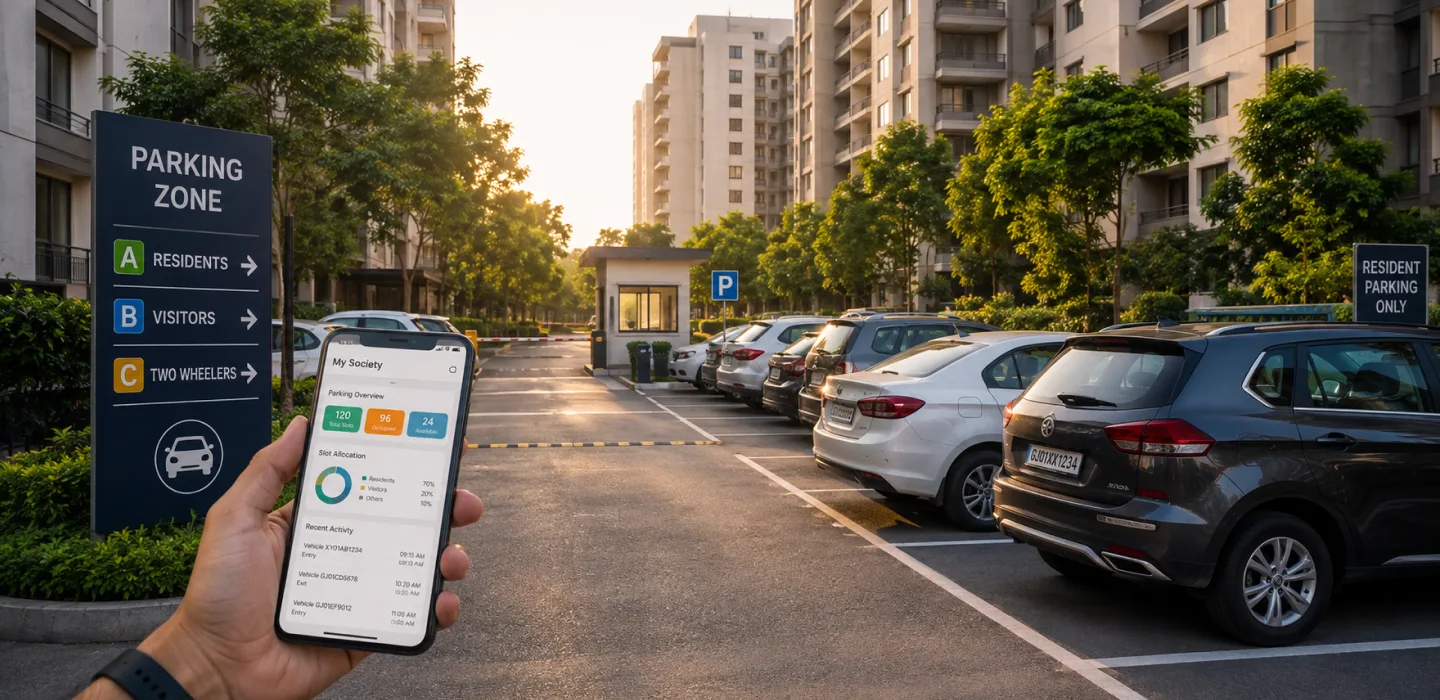
By MyKutir Editorial Team — 2026-08-12
Discover effective strategies and digital tools to streamline parking management in housing societies.
Parking management in housing societies is a critical aspect that significantly impacts the quality of life for residents and the efficacy of society management. Whether dealing with limited parking spaces, unauthorized vehicles, or disputes over assigned spots, these challenges can create significant friction within communities. Proper parking management ensures smooth operations, resident satisfaction, and optimized use of available resources.
Understanding Parking Challenges in Housing Societies
One of the most common challenges faced by housing societies is limited parking space. With the rising number of vehicles per household, many societies find themselves with inadequate parking facilities to accommodate all residents’ vehicles. This scarcity often leads to conflicts among residents vying for the same parking spot, creating a tense community atmosphere.
Unregistered vehicles posing another issue, where vehicles without proper identification or permission occupy valuable parking spots. This can lead to a host of problems, not only in terms of space allocation but also concerning security, as unauthorized vehicles might belong to non-residents or visitors overstaying their welcome.
In addition to space constraints and unregistered vehicles, conflicts over parking spots can be a significant issue. These disputes often arise due to lack of clear guidelines or improper allocation methods, leaving residents frustrated and management inundated with complaints and conflict resolution duties. Such challenges not only disrupt the harmony within the society but also place a considerable administrative burden on the management team.
The impact of these issues extends beyond mere inconvenience. It can affect the safety and security of the society, as improperly managed parking facilities may lead to unauthorized access, increased tension between residents, and potential damage to vehicles. Furthermore, these unresolved issues can tarnish the reputation of the housing society, making it less attractive to potential buyers or tenants.
Overall, effective parking management is crucial for maintaining a peaceful and well-organized living environment. By addressing these challenges head-on, societies can significantly improve resident satisfaction and enhance the overall quality of life.
Exploring Traditional vs. Digital Parking Management
Traditionally, parking management in housing societies has relied heavily on manual processes, such as physical logs and paper permits. While these methods may have sufficed in the past, they are increasingly proving to be inefficient in modern societies, where the number of vehicles and complexity of management needs have escalated significantly.
Manual parking management is fraught with challenges. For instance, maintaining physical logs requires substantial administrative effort, increasing the risk of human error and data loss. Additionally, paper permits can be easily misplaced, damaged, or forged, leading to unauthorized parking and associated conflicts.
In contrast, digital parking management systems, such as MyKutir, offer a more efficient, reliable, and scalable solution. By leveraging technology, societies can streamline their processes, reduce administrative burdens, and enhance overall management effectiveness. Digital platforms provide real-time data access, allowing for more accurate tracking and reporting, which is crucial for effective decision-making.
MyKutir offers several features that transform parking management from a cumbersome manual process into an organized digital system. Through the use of entities like ParkingAllocation, ParkingSlot, and ParkingVehicleHistory, MyKutir provides a structured approach to managing parking spaces, vehicle registrations, and visitor parking, which vastly improves efficiency and transparency.
Digital platforms also offer the advantage of enhanced security measures. With automated alerts and notifications, societies can quickly respond to unauthorized parking, ensuring that only registered vehicles occupy the designated spots. Furthermore, the integration of mobile applications allows residents to manage their parking needs conveniently, improving their overall experience.
While the initial transition from a manual system to a digital one may require an investment of time and resources, the long-term benefits, including reduced operational costs, increased resident satisfaction, and improved system reliability, make it a worthwhile endeavor for any housing society seeking to optimize its parking management.
Leveraging MyKutir's Parking Slot Management Features
MyKutir offers a robust set of features designed to address the complex needs of parking management within housing societies. By using its platform, societies can manage parking allocation, vehicle registration, and visitor parking with ease and efficiency.
The ParkingAllocation feature is central to MyKutir's parking management capabilities. It allows society administrators to assign parking slots to residents based on predefined rules and regulations, ensuring fairness and transparency in the allocation process. This feature helps eliminate disputes over parking spots by clearly indicating assigned slots to each resident.
The ParkingSlot entity provides a detailed overview of all the available parking spaces within the society. It includes information on occupied and vacant slots, enabling administrators to monitor and manage parking utilization effectively. This real-time visibility into parking availability helps streamline operations and reduce administrative overhead.
Through the ParkingVehicleHistory entity, MyKutir maintains a comprehensive record of all vehicles entering and exiting the society. This feature is crucial for monitoring traffic flow, identifying unauthorized vehicles, and ensuring compliance with parking regulations. With easy access to historical data, society managers can make informed decisions about parking policies and address any issues that arise promptly.
Visitor parking is another essential aspect handled adeptly by MyKutir's platform. With its visitor management module, residents can pre-register their guests, ensuring that designated visitor parking slots are available upon arrival. This not only improves the guest experience but also enhances security by keeping track of all vehicles within the society.
By leveraging MyKutir's comprehensive suite of parking management features, societies can transition from outdated manual systems to a modern, efficient solution that enhances both resident satisfaction and operational effectiveness. The platform's user-friendly interface and robust capabilities make it an ideal choice for any housing society looking to optimize its parking management strategy.
Case Study: A Society's Journey to Efficient Parking Management
Let's imagine a hypothetical scenario of a housing society named "Green Acres," which was grappling with significant parking management challenges. Green Acres relied on traditional manual methods, including paper logs and basic physical allocation of parking spaces, leading to frequent disputes among residents and a high administrative burden on the management team.
The situation at Green Acres was becoming increasingly untenable. Limited parking spaces meant that residents often parked in unauthorized areas, leading to conflicts and dissatisfaction. Unauthorized vehicles would occasionally take up resident spaces, further exacerbating the issue.
Recognizing the need for change, the management team at Green Acres decided to transition to a digital parking management system and chose MyKutir for its comprehensive features and user-friendly interface. The first step in their transition was a thorough evaluation of the current parking challenges and needs. The management, along with a few resident volunteers, conducted a survey to gather opinions and understand the key pain points.
With this information, they implemented MyKutir's ParkingAllocation and ParkingSlot features, effectively automating the allocation and monitoring of parking spaces. The society introduced an online vehicle registration process, significantly reducing instances of unauthorized parking. Residents were informed about the new system through community meetings and digital communication channels.
To address visitor parking, Green Acres utilized MyKutir's visitor management module, allowing residents to register their guests in advance. This proactive measure ensured that designated visitor slots were available, which improved visitor experience and reduced inconvenience for residents.
The results were transformative. Within months, resident complaints about parking reduced by over 70%, and the satisfaction rate increased markedly. The management team reported a significant reduction in administrative tasks related to parking, allowing them to focus on other areas of society management.
This case study illustrates how a well-planned transition to digital parking management can lead to improved efficiency, reduced conflict, and greater resident satisfaction. By adopting MyKutir, Green Acres turned its parking challenges into a streamlined and well-organized system that serves the needs of its community effectively.
Common Mistakes in Implementing Parking Management Systems
Adopting a new parking management system can be a challenging endeavor for any housing society. Despite the potential benefits, several common mistakes can hinder the successful implementation and operation of these systems. By understanding and avoiding these pitfalls, societies can ensure a smoother transition and more effective management of their parking facilities.
One of the primary mistakes societies make is resistance to technology. Transitioning from traditional methods to digital systems requires a cultural shift and a willingness to embrace new technology. Often, both management teams and residents may be hesitant due to a lack of familiarity with digital platforms. This resistance can stall the implementation process and limit the system's effectiveness.
Inadequate training is another significant issue. Implementing a digital parking management system like MyKutir requires thorough training for both the management staff and residents. Without proper training, users may struggle to navigate the new system, leading to frustration and underutilization of the platform's features. Comprehensive training ensures that everyone is comfortable with the technology and can fully leverage its capabilities.
Poor communication with residents during the transition period can also be detrimental. Residents need to be informed about the changes, how the new system works, and what is expected of them. Failing to communicate effectively can result in confusion, dissatisfaction, and resistance. Regular updates, clear instructions, and responsive support channels are critical components of successful implementation.
Another common mistake is neglecting to customize the parking management system to fit the specific needs of the society. Each housing community has unique challenges and requirements, and a one-size-fits-all approach is unlikely to be effective. Societies should work with the service provider to tailor the system's features and configurations to address their specific parking concerns.
Finally, societies may overlook the importance of continuous evaluation and adaptation. Implementing a parking management system is not a one-time event but an ongoing process. Regularly reviewing the system's performance, gathering feedback from residents, and making necessary adjustments are essential for long-term success.
By being aware of these common mistakes and taking proactive measures to address them, housing societies can maximize the benefits of their parking management systems and create a more organized and harmonious community environment.
Best Practices for Effective Parking Management
Effective parking management is crucial for maintaining harmony, safety, and convenience within a housing society. By adopting best practices tailored to their specific needs, societies can enhance their parking operations and improve overall resident satisfaction. Here are some best practices to consider:
Clear communication with residents is paramount. Residents should be well-informed about parking policies, rules, and procedures. Regular meetings, newsletters, and digital platforms can facilitate transparent communication. Ensuring that residents understand the reasons behind rules and limitations can help foster cooperation and reduce conflicts.
Regular system updates and maintenance are essential for the smooth operation of digital parking management platforms like MyKutir. As technology evolves, so do potential challenges. Keeping the system updated not only enhances security and functionality but also ensures compatibility with new features and improvements.
Leveraging real-time data and analytics can significantly enhance decision-making. By analyzing parking usage patterns and trends, societies can optimize space allocation and identify areas for improvement. This data-driven approach allows management teams to make informed decisions that benefit the entire community.
Adaptability is another critical factor. As the needs of the society evolve, so should its parking policies. Regularly reviewing and updating policies ensures they remain relevant and effective. Involving residents in these discussions can also provide valuable insights and increase community buy-in.
Implementing a resident feedback loop can help identify issues before they escalate. Encouraging residents to share their experiences and suggestions can lead to practical solutions and improvements. Establishing a dedicated communication channel for parking-related concerns ensures that feedback is collected systematically and addressed promptly.
Finally, societies should prioritize security and safety in their parking management strategies. This includes measures to prevent unauthorized access, regular maintenance of parking facilities, and implementing security technologies such as surveillance cameras or automated barriers where appropriate. By prioritizing safety, societies can protect residents’ vehicles and promote a sense of security within the community.
By following these best practices, housing societies can create an efficient and resident-friendly parking environment that enhances the overall quality of life for their community members.
Table: Manual vs. Digital Parking Management Costs and Benefits
| Aspect | Manual Management | Digital Management (e.g., MyKutir) |
|---|---|---|
| Initial Setup Costs | Low to Moderate; primarily paper and administrative setup | Moderate to High; involves software purchase and installation |
| Operational Costs | High; ongoing administrative effort and material costs | Low; decreased manpower requirements, automated processes |
| Efficiency | Low; prone to human error and delays | High; fast, accurate, and reliable data handling |
| Manpower Requirements | High; intensive administrative workloads | Low; automated workflows reduce labor demands |
| Resident Satisfaction | Variable; often low due to inefficiencies | Generally high; streamlined processes and transparency |
| Data Security | Low; susceptible to physical data loss or tampering | High; secure digital storage with audit trails |
| Scalability | Poor; limited by physical and manual constraints | Excellent; can be scaled to meet growing needs |
| Time to Implement | Quick; involves minimal initial setup | Moderate; requires planning and execution time |
| Adaptability | Limited; difficult to adjust policies quickly | High; easy to adapt to changing requirements |
Step-by-Step Guide: Transitioning to Digital Parking Management
Transitioning to a digital parking management system is a multi-step process that requires careful planning and execution. Here's a step-by-step guide to help societies make this transition smoothly and effectively, using a platform like MyKutir as a model for implementation:
Step 1: Evaluate Current Practices – Begin by assessing the current parking management methods, identifying specific challenges, inefficiencies, and areas for improvement. This evaluation should involve all stakeholders, including management staff and residents, to gather comprehensive insights.
Step 2: Set Clear Objectives – Define what you hope to achieve with the transition. Objectives could include reducing administrative burdens, improving resident satisfaction, enhancing security, or optimizing space utilization. Clear goals will guide the entire process.
Step 3: Research Digital Platforms – Investigate various digital parking management solutions available in the market. Focus on platforms that offer features aligning with your society's needs. MyKutir, for example, offers comprehensive tools for parking allocation, vehicle registration, and visitor management.
Step 4: Engage Stakeholders – Communicate with residents and society management about the planned transition. Address any concerns they might have and highlight the benefits of moving to a digital system. Involvement and buy-in from all stakeholders are crucial for successful implementation.
Step 5: Plan the Implementation – Develop a detailed implementation plan, outlining the timeline, resources required, and key milestones. Consider aspects such as data migration, training schedules, and system testing to ensure a smooth transition.
Step 6: Conduct Training Sessions – Provide comprehensive training for both management staff and residents to familiarize them with the new system. Ensure everyone understands how to use the platform effectively and is comfortable with its features.
Step 7: Monitor and Evaluate – After implementation, closely monitor the system's performance and gather feedback from users. Evaluate whether the objectives set earlier are being met and make necessary adjustments. Continuous monitoring is key to ongoing success.
Step 8: Maintain and Update – Regularly update the digital platform to incorporate new features, security patches, and improvements. Keeping the system current ensures it remains efficient, secure, and aligned with the latest technological advancements.
By following these steps, housing societies can successfully transition to a digital parking management system, optimizing their operations and enhancing the overall living experience for residents.
Addressing Parking FAQs for Societies
Here we address some common questions that housing societies often have about parking management, providing guidance to help overcome challenges and maximize parking strategies:
How can housing societies improve parking allocation?
Improving parking allocation in housing societies involves a fair and transparent approach. Societies should conduct an audit of available parking spaces and assess the demand among residents. Implementing a digital system like MyKutir can streamline the allocation process by using rules-based allocation and real-time data to match parking spots with resident needs. Clear communication of allocation criteria and policies helps manage resident expectations and ensures compliance.
What are the benefits of a digital parking management system?
A digital parking management system offers numerous benefits, including increased operational efficiency, enhanced security, and improved resident satisfaction. By automating processes, societies can reduce administrative workloads and minimize human error. Digital systems provide real-time data and analytics, enabling better decision-making and more effective space utilization. Additionally, these systems enhance security by tracking vehicle entries and exits, preventing unauthorized parking.
How does MyKutir assist in parking slot management?
MyKutir assists in parking slot management by providing a comprehensive platform that includes features such as ParkingAllocation, ParkingSlot, and ParkingVehicleHistory. These features allow societies to manage parking allocations efficiently, monitor slot occupancy, and maintain historical records of vehicle movements. MyKutir's system also facilitates visitor parking management, ensuring that all stakeholders have a seamless experience in managing their parking needs.
What common mistakes should societies avoid in parking management?
Societies should avoid several common mistakes in parking management, including resistance to technology, inadequate training, and poor communication with residents. Embracing digital systems, providing thorough training, and ensuring clear, continuous communication can mitigate these issues. Additionally, societies should tailor management systems to their specific needs and regularly evaluate and update parking policies to maintain effectiveness and adaptability.
How can societies ensure effective communication with residents about parking?
Effective communication with residents is crucial for successful parking management. Societies should use multiple channels, such as digital platforms, newsletters, and community meetings, to keep residents informed about parking policies, changes, and updates. Establishing a dedicated communication channel for parking-related concerns ensures prompt responses and allows residents to provide feedback. Transparency and regular updates foster trust and cooperation within the community.
What are the costs involved in transitioning to a digital parking system?
The costs involved in transitioning to a digital parking system include initial software purchase and setup, training, and potential equipment upgrades. While the upfront investment may be significant, the long-term operational savings, reduced administrative costs, and improved resident satisfaction typically outweigh these initial expenses. Societies should evaluate the return on investment over time and consider the intangible benefits such as enhanced security and efficiency.
How does a digital approach improve resident satisfaction with parking?
A digital approach improves resident satisfaction by offering transparency, efficiency, and convenience. Residents benefit from clear allocation of parking slots, reduced wait times, and the ability to manage their parking needs online. Real-time data and streamlined processes minimize disputes and enhance the overall experience. Digital systems also facilitate better communication and quicker resolution of issues, contributing to higher resident satisfaction and a more harmonious community environment.
Key Takeaways
- Understanding parking challenges is key to developing effective management strategies in housing societies.
- Digital parking management systems like MyKutir offer significant advantages over traditional manual methods.
- MyKutir provides comprehensive features to optimize parking slot management, vehicle registration, and visitor parking.
- Successful implementation of digital systems requires avoiding common pitfalls such as poor communication and inadequate training.
- Best practices include clear communication, leveraging real-time data, and maintaining adaptable parking policies.
- Transitioning to digital platforms involves upfront costs but results in long-term savings and increased resident satisfaction.
- Addressing FAQs helps societies understand the benefits and tackle challenges in parking management.