Enhancing Emergency Response Systems in Apartment Complexes: A Best Practices Guide
By MyKutir Editorial Team — 2026-09-15
Explore best practices for enhancing emergency response systems in apartment complexes to ensure safety and preparedness.
Apartment complexes host a diverse group of individuals and families, making emergency preparedness an essential part of their management. Emergency response systems in these settings must be comprehensive and well-coordinated to ensure the safety and well-being of residents. These systems encompass a range of protocols and tools designed to address various emergencies, such as fires, medical crises, natural disasters, and security threats. The ultimate goal is to minimize risk and facilitate a timely and effective response when emergencies occur.
Having a robust emergency response system is not just about adhering to safety regulations; it's about fostering a secure living environment. Residents need to feel safe in their homes, knowing that potential threats are mitigated with a proactive approach. Apartment management plays a crucial role in developing and maintaining these systems, which should be tailored to the specific needs and vulnerabilities of their complexes.
Common emergencies that apartment complexes must prepare for include fires, which can spread quickly in multi-unit buildings, and medical emergencies where immediate assistance might be required. Additionally, natural disasters like earthquakes or floods may necessitate mass evacuation or sheltering in place. Security threats, such as break-ins or suspicious activities, also require prompt attention. Each of these situations demands a specific set of responses, highlighting the need for an intricate network of communication and action plans.
Key Components of an Effective Emergency Response System
An effective emergency response system is multi-faceted, incorporating numerous elements that work together to ensure comprehensive safety measures. The first key component is a robust communication channel that can disseminate information swiftly and accurately to all residents. This includes digital platforms that can send alerts and updates in real-time, ensuring everyone is informed of the situation and the necessary actions they need to take.
Evacuation plans are another critical part of the system. These plans should be clearly defined and regularly updated to account for any changes in the building's structure or occupancy. Evacuation routes must be well-marked and unobstructed, facilitating a quick and orderly exit if needed. Equally important are the safety equipment installations, such as fire extinguishers, smoke detectors, and emergency lighting, which must be maintained in working order and easily accessible.
Training programs form the backbone of preparedness, equipping residents and staff with the knowledge and skills to respond effectively during emergencies. Periodic training sessions and drills can help reinforce these skills, ensuring that reactions to emergencies are second nature. Furthermore, an emergency response system should involve collaboration with local authorities, like the fire department and police, to align the complex’s plans with broader community resources.
Leveraging Technology for Improved Emergency Management
In today’s digital age, technology plays a significant role in enhancing emergency response systems. Platforms like MyKutir offer innovative features that streamline emergency management through digital means. For instance, the inclusion of automated alerts ensures that all residents are notified instantly during an emergency, enabling quicker response times and minimizing confusion.
Real-time communication is another critical technological advancement. Digital platforms allow for instantaneous updates and instructions to be communicated to residents, overcoming the limitations of older manual systems like phone trees or public address systems. This real-time capability ensures that residents receive the most current information, crucial during evolving situations.
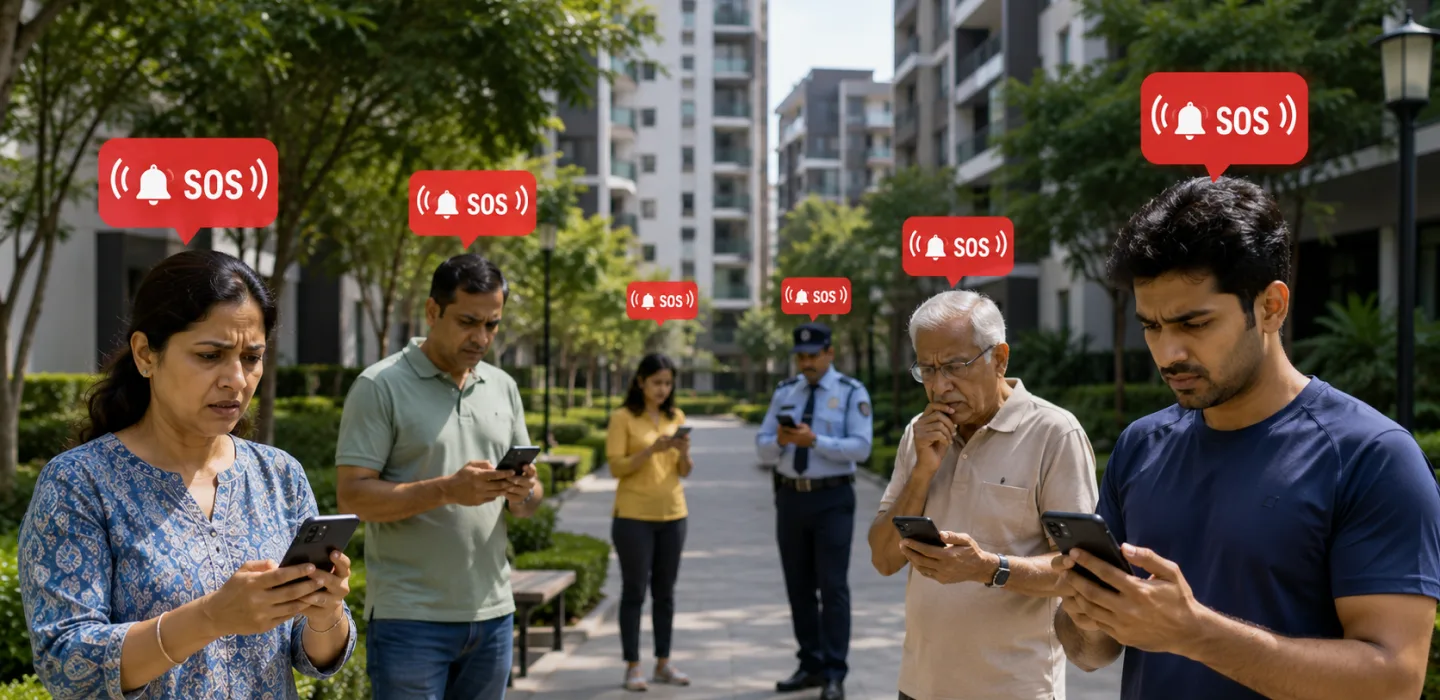
AI-driven analytics can also predict and identify potential risks before they escalate, providing management with the insights needed to take preventative action. Features such as digital SOS buttons in unit apps can allow residents to alert security or management of an issue discreetly and quickly. This not only offers residents peace of mind but also ensures that help can be dispatched immediately when needed.
Moreover, the integration of IoT devices, such as smart smoke detectors and sensors, enhances safety by providing continuous monitoring. Alerts from these devices can be sent directly to residents’ smartphones and management systems, ensuring swift action is taken. The combination of these technological tools creates a robust and responsive emergency management system that significantly improves the safety of apartment complexes.
Steps to Develop a Comprehensive Emergency Response Plan
Developing a comprehensive emergency response plan requires a structured approach. The first step is conducting a thorough risk assessment to identify potential emergencies specific to the apartment complex. This includes evaluating the physical structure, geographical location, and resident demographics to pinpoint vulnerabilities and the likelihood of various emergencies.
Next, it's essential to coordinate with local authorities and community resources. Engage with local fire departments, police, and medical facilities to ensure that your plans are aligned with public emergency protocols. This can also facilitate faster response times and more efficient coordination during actual emergencies.
Creating detailed evacuation and response plans is a critical step. These plans should outline specific actions for different emergencies, such as fire hazards or medical situations. Clear instructions, maps of evacuation routes, and designated assembly points should be included and communicated to all residents.
Regular training and drills are crucial for ensuring the effectiveness of these plans. Conducting drills allows residents and staff to practice their roles and identify any gaps or areas for improvement. Additionally, feedback mechanisms should be in place to gather residents’ input after drills and make necessary adjustments to the emergency plans.
Finally, maintaining an updated contact list for all residents and essential personnel is necessary for efficient communication during an emergency. Ensure that this information is stored securely yet accessible when needed. By following these steps, apartment complexes can develop a robust emergency response plan tailored to their unique needs and challenges.
Common Mistakes in Emergency Planning and How to Avoid Them
Emergency planning is a complex process, and several common mistakes can undermine its effectiveness. One frequent error is relying on outdated contact information, which can delay communication during critical moments. To avoid this, regularly update contact lists and verify information with residents to ensure accuracy.
Another common mistake is neglecting the training aspect of emergency preparedness. Even the most well-crafted plans can fail if residents and staff are not adequately trained. Addressing this requires setting a regular schedule for training sessions and ensuring active participation from both management and residents.
Failure to conduct regular reviews and updates of emergency plans can also lead to inefficiencies. Buildings and their resident demographics may change over time, requiring adjustments to emergency protocols. Regularly revisiting and revising plans helps keep them relevant and effective.
Communication breakdowns during emergencies are another pitfall. To mitigate this, establish multiple communication channels and ensure they are tested and operational. Relying solely on one method can be risky if that system fails during an emergency.
Finally, a lack of coordination with local authorities can result in disjointed responses. Building strong relationships with local emergency services and involving them in drills can enhance collaboration and response efficiency. By addressing these common mistakes, apartment complexes can strengthen their emergency preparedness and protect their residents more effectively.
Scenario Analysis: Responding to Different Types of Emergencies
Effective emergency response requires understanding how to handle various scenarios that may arise in an apartment complex. For instance, in the event of a fire, it is crucial to have a well-practiced evacuation plan. Residents should be familiar with the nearest exits and assembly points, and management should ensure that these routes are easily accessible at all times.
Medical emergencies, such as heart attacks or injuries, demand a different approach. Having on-site first aid kits and personnel trained in CPR and basic first aid can make a significant difference in outcomes. Moreover, creating a network of residents who are healthcare professionals can offer additional support during such emergencies.
Natural disasters like earthquakes or floods require specific planning. Earthquake preparedness includes securing heavy furniture and having supplies like water, food, and flashlights readily available. For floods, having a higher ground evacuation plan and knowing how to shut off utilities can mitigate damage and ensure safety.
Security threats, such as intruders, call for immediate alert systems and coordination with local law enforcement. Digital tools can help by providing real-time updates and ensuring all residents are promptly informed of the situation and advised on protective measures.
Each of these scenarios highlights the need for specific strategies and preparations, emphasizing the importance of a well-rounded emergency response system that can adapt to various situations. Training residents on these specific scenarios ensures that everyone is prepared to act quickly and efficiently when emergencies occur.
Comparison: Traditional Manual Systems vs. Digital Solutions
When considering emergency response systems, it is helpful to compare traditional manual methods with modern digital solutions. Traditional systems often rely on manual call lists, public address systems, and physical notices, which can be time-consuming and limited in their reach and speed.
| Aspect | Traditional Manual Systems | Digital Solutions |
|---|---|---|
| Communication Speed | Slow, prone to delays | Instantaneous, real-time updates |
| Information Accuracy | Subject to human error | Automated, consistent messages |
| Accessibility | Limited to physical presence | Accessible via smartphones/apps |
| Scalability | Difficult to expand rapidly | Scalable and easily updated |
| Real-time Monitoring | Not feasible | Continuous monitoring through IoT |
Digital solutions offered by platforms like MyKutir provide significant advantages over traditional methods. They enable instant communication to all residents through apps and automated alerts, enhancing the speed and reliability of emergency responses. These systems minimize human error through automated processes and offer real-time updates that are accessible to residents anywhere, not just those physically present at the complex.
Furthermore, digital tools allow for continuous monitoring, leveraging IoT devices to provide real-time data and analytics, which can be critical in anticipating and responding to emergencies. The scalability of digital solutions also means they can adapt more readily to changes in building occupancy or infrastructure. Overall, the shift from traditional to digital emergency response systems presents opportunities for improved efficiency, accuracy, and resident safety.
How to Conduct Effective Emergency Drills
Regular emergency drills are paramount in reinforcing the preparedness of both residents and management. To conduct effective drills, the first step is to plan meticulously. This includes defining the objectives of the drill, whether it's to test communication systems, evacuation routes, or resident responses to specific emergencies.
Once the objectives are set, it's essential to inform residents well in advance, explaining the importance of participation. Clear communication should outline the drill's schedule, what residents should expect, and any specific roles certain individuals may have. Ensure that everyone understands that this is a practice to improve overall safety and preparedness.
During the drill, observe and document the proceedings carefully. Management should look for areas where residents may struggle, such as slow evacuation times or misinterpretation of instructions. It's also important to monitor the functionality of communication systems during the drill, ensuring that all alerts are received promptly.
After the drill, gather feedback from participants to understand their experiences and identify areas for improvement. Hold a debriefing session with all involved parties to discuss what went well and what could be enhanced. Use this feedback to refine emergency plans and address any issues that were identified during the drill.
Finally, maintain a regular schedule for drills, varying the scenarios to cover different types of emergencies. This not only keeps residents engaged but also ensures that preparedness measures are effective across a range of potential situations. Engaging residents in ongoing dialogue about safety and preparedness reinforces the importance of being ready for any emergency.
Realizing the Benefits: Enhanced Resident Safety and Peace of Mind
Implementing a robust emergency response system offers tangible benefits that extend beyond immediate safety concerns. For residents, knowing that their complex is well-prepared for emergencies provides a significant sense of security and peace of mind. This assurance is crucial in building trust between residents and management, fostering a community atmosphere where individuals feel valued and protected.
From a management perspective, a well-defined emergency response system minimizes liability and demonstrates compliance with safety regulations, which is essential in maintaining operational integrity. Moreover, these systems can enhance the reputation of the apartment complex, making it a more attractive option for potential residents who prioritize safety and community preparedness.
In terms of community dynamics, effective emergency planning and preparation create opportunities for residents to engage and collaborate. Training programs and drills promote interaction among neighbors, strengthening community bonds and cooperation. This sense of community can be invaluable during actual emergencies, where coordinated efforts and mutual support are crucial.
Furthermore, digital emergency management solutions can lead to cost savings over time by reducing the likelihood of severe incidents and minimizing disruption during emergencies. The efficiency of automated systems also frees up human resources, allowing management to focus on other critical tasks.
Ultimately, the enhanced safety and security provided by a comprehensive emergency response system contribute to greater resident satisfaction and retention. It also empowers residents to take an active role in their safety, fostering a collaborative environment where everyone works together to ensure collective well-being.
FAQs
What are the key components of an effective emergency response system in apartment complexes?
An effective emergency response system in apartment complexes includes several critical components. First, a robust communication system is essential for disseminating information quickly and accurately. This includes real-time alerts and updates via digital platforms. Second, well-defined evacuation plans are crucial, with clear routes and assembly points that are regularly updated and communicated to residents. Third, safety equipment such as fire extinguishers, smoke detectors, and emergency lighting must be maintained and accessible. Finally, training programs for residents and staff ensure everyone is prepared to respond effectively to emergencies. These components together create a comprehensive and responsive emergency management system.
How can technology improve emergency management in residential communities?
Technology significantly enhances emergency management by providing tools for instant communication and real-time monitoring. Digital platforms can send automated alerts to residents' smartphones, ensuring timely dissemination of critical information. AI analytics help predict potential risks, allowing management to take preventative measures. IoT devices, such as smart smoke detectors, offer continuous monitoring and instant notifications of potential hazards. These technological advancements reduce response times, improve accuracy, and enhance overall safety, making emergency management more efficient and effective.
What steps should be taken to develop a comprehensive emergency response plan?
Developing a comprehensive emergency response plan begins with conducting a detailed risk assessment to identify vulnerabilities specific to the complex. Coordinating with local authorities and emergency services ensures alignment with broader community protocols. Creating detailed evacuation and response plans is crucial, with clear instructions and regular updates. Training programs and drills help reinforce these plans and ensure preparedness. Maintaining updated contact lists facilitates efficient communication. These steps combined ensure that the emergency response plan is tailored to the complex's unique needs and challenges.
What common mistakes should be avoided in emergency planning?
Common mistakes in emergency planning include relying on outdated contact information, neglecting regular training and drills, and failing to update emergency plans to reflect changes in the complex. Avoiding these pitfalls requires regular updating of contact lists, establishing consistent training schedules, and revisiting emergency plans to ensure they remain relevant. Communication breakdowns can also be problematic, so it's vital to establish multiple communication channels and test their functionality regularly. Coordinating with local authorities is also essential to avoid disjointed responses.
How do regular emergency drills benefit apartment complexes?
Regular emergency drills benefit apartment complexes by reinforcing the preparedness of residents and staff. Drills provide an opportunity to practice emergency plans, identify potential gaps, and improve response times. They also help familiarize residents with evacuation routes and procedures, reducing panic during actual emergencies. Feedback from drills allows management to refine plans and address any issues. Additionally, drills promote a culture of safety and foster a sense of community, as residents work together to ensure collective preparedness.
What is the role of residents in emergency preparedness?
Residents play a crucial role in emergency preparedness by participating in training sessions and drills, staying informed about emergency plans, and maintaining updated contact information. Their involvement ensures that they understand their responsibilities during emergencies and can respond quickly and effectively. Residents can also provide valuable feedback on emergency plans and participate in community safety initiatives, such as forming neighborhood watch groups. By taking an active role in preparedness efforts, residents contribute to a safer and more resilient community.
How does a digital emergency response system compare to traditional methods?
A digital emergency response system offers significant advantages over traditional methods. It enables instant communication and real-time updates, overcoming the delays and limitations of manual systems like call trees or physical notices. Digital systems minimize human error through automation and allow for continuous monitoring with IoT devices. They are also scalable and easily updated, adapting to changes in the complex. These benefits enhance the efficiency, accuracy, and overall effectiveness of emergency responses, providing greater safety and peace of mind for residents.
Key Takeaways
- Emergency response systems are crucial for ensuring resident safety in apartment complexes.
- Key components include robust communication, evacuation plans, safety equipment, and training.
- Leveraging technology enhances emergency management through real-time alerts and monitoring.
- Developing a comprehensive plan involves risk assessment, coordination, and regular drills.
- Avoid common mistakes by updating contact info, conducting regular training, and refining plans.
- Scenario analysis helps tailor responses to specific emergencies like fires and medical crises.
- Digital solutions offer significant advantages over traditional methods in speed and scalability.
- Effective drills reinforce preparedness and build community cooperation.
- A robust system enhances resident safety, peace of mind, and community trust.