Comparing Digital Gate Pass Systems for Housing Societies: A Comprehensive Guide
By MyKutir Editorial Team — 2026-08-25
A detailed comparison of digital gate pass systems to enhance visitor management in housing societies.
With the rapid growth of urban living in India, housing societies are constantly looking for efficient ways to manage security and streamline visitor management processes. Enter digital gate pass systems. These digital solutions have revolutionized how housing societies manage visitor entries and exits, offering a significant upgrade over traditional methods, such as manually logging visitor details in a register. The adoption of digital gate pass systems provides a systematic and technologically advanced approach to managing security and visitor flow, which is critical in maintaining a safe and well-organized residential environment.
Traditional visitor management in housing societies often involves a manual entry system, where security personnel record visitor details in physical logbooks. While this method has been the norm for decades, it comes with inherent drawbacks, such as the potential for human error, time-consuming processes, and difficulty in accessing historical data. In contrast, digital gate pass systems automate and digitize this process, leading to improved accuracy, speed, and data accessibility. These systems typically involve digital interfaces through which residents can pre-register their guests, and visitors can be verified through digital means like QR codes. Such systems enhance security by reducing human dependency and increasing control over visitor access.
The importance of digital gate pass systems in modern housing societies cannot be overstated. With rising concerns over security, these systems provide a robust solution that ensures only authorized visitors are allowed entry. By providing a comprehensive overview of who enters and exits the premises, they empower societies to respond swiftly to any security threats. Moreover, as urban housing societies often house hundreds of families, managing visitor traffic efficiently becomes crucial not just for security but also for convenience, making digital solutions an indispensable tool in the modern urban landscape.
Key Features of Digital Gate Pass Systems
When evaluating digital gate pass systems for housing societies, it is essential to focus on the features that define their effectiveness and usability. These systems leverage advanced technology to offer a range of functionalities that address both security concerns and operational efficiency.
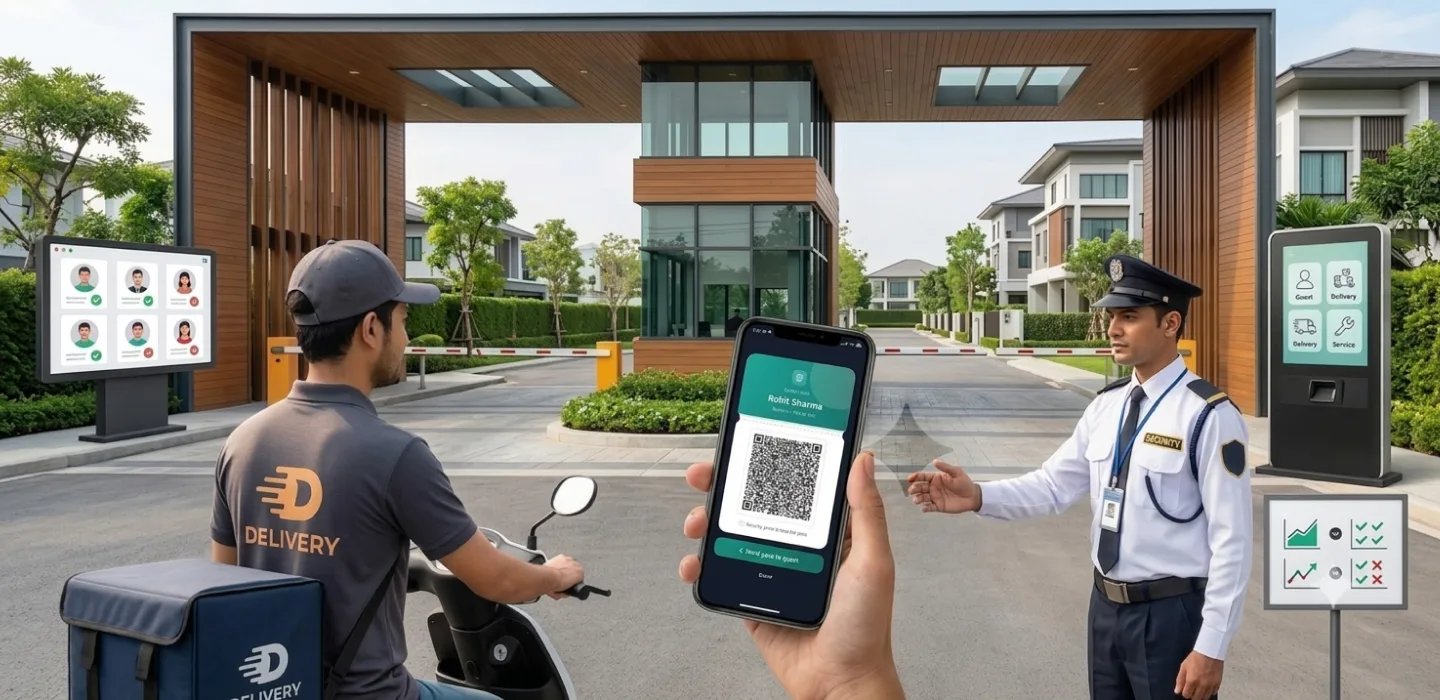
QR Codes: One of the most significant features of digital gate pass systems is the use of QR codes for visitor verification. QR codes can be generated during the visitor pre-registration process and sent via email or SMS to the visitor. Upon arrival, the visitor can simply present the QR code to the security personnel, who scan it to verify the visitor's credentials. This not only speeds up the entry process but also ensures that the visitor's details are accurate and authorized.
Visitor Pre-Registration: Pre-registration allows residents to notify security about expected visitors in advance. This feature eliminates the need for lengthy entry procedures at the gate, as visitors' details are already logged into the system. It also provides the added benefit of allowing security teams to plan for visitor handling, thereby avoiding congestion during peak hours.
Real-Time Monitoring: Digital gate pass systems typically come equipped with real-time monitoring capabilities. This feature enables societies to track entries and exits as they happen, providing a live overview of who is on the premises at any given time. Such transparency is vital for immediate response in the event of a security breach.
Integration Capabilities: Another key feature is the ability to integrate with existing security infrastructure. Whether it's linking with CCTV systems or integrating with the society's management app, the flexibility to connect with other systems ensures a cohesive security environment.
These features collectively make digital gate pass systems an attractive option for housing societies looking to enhance their visitor management processes. By focusing on these key functionalities, societies can choose a system that best meets their security and operational needs.
How Digital Gate Pass Systems Work in Practice
The practicality and efficiency of digital gate pass systems come to the fore when you consider their workflow, which is designed to streamline every aspect of visitor management. From initial visitor registration to their eventual exit, the system is structured to ensure security and convenience.
The process begins with visitor pre-registration. Residents log into the society’s management app, such as the one accessed through the /features route, to register their expected guests. This registration includes details like the visitor's name, contact information, and the duration of the visit. Upon successful registration, the system generates a unique QR code or a digital pass, which is sent to the visitor via email or SMS.
On the day of the visit, the guest arrives at the society gate and presents the QR code to the security personnel. Using a hand-held device or a scanner connected to the digital gate pass system, the security staff scans the QR code. This quick scan verifies the visitor's identity and details, ensuring they match the pre-registered information. If everything aligns, the visitor is granted access within seconds, without the need for manual log entry.
Once the visitor is inside, real-time monitoring features keep track of the visitor's presence on the premises. The system logs the time of entry and continuously updates the status, which can be viewed in the society's management dashboard. This real-time data is crucial for managing visitor flow and ensuring security.
When the visitor's time is up or they wish to leave the premises, a simple log-out process takes place. The visitor either informs the security personnel or logs out through the app, which updates the system instantaneously. This seamless exit process is another time-saver, especially during busy hours.
The entire workflow exemplifies how digital gate pass systems make the visitor management process more efficient and reliable than traditional manual methods. By minimizing human intervention and maximizing technological automation, societies can ensure a smoother, faster, and more secure way of managing visitors.
Benefits of Implementing Digital Gate Pass Systems
Adopting digital gate pass systems in housing societies brings multiple benefits that enhance both security and operational efficiency. While the initial setup may require investment and adjustment, the long-term advantages are considerable.
One of the most significant benefits is enhanced security. Digital gate pass systems minimize human errors and potential security lapses that are common in manual processes. With features like QR code verification and real-time monitoring, security personnel can quickly identify and handle unauthorized entries, reducing the risk of security breaches.
Reduced Manpower Needs: By automating the visitor entry and exit process, societies can reduce their dependency on manual labor. This automation frees up security personnel to focus on more critical tasks, like monitoring and responding to security incidents, rather than getting bogged down in administrative duties.
Better Record-Keeping: Digital systems provide a reliable way to maintain detailed records of all visitor activities. Unlike manual logs that can be lost, damaged, or forged, digital records are secure and easily accessible for future reference. This advantage is particularly useful for audits, legal inquiries, or when investigating security incidents.
Real-world examples highlight these benefits clearly. Consider a large housing society in Mumbai that implemented a digital gate pass system. Before its implementation, entry and exit processes were slow, leading to long queues and frustrated residents and visitors. After shifting to a digital system, the society experienced a marked improvement in gate operations. Visitors were processed swiftly, and security incidents decreased due to more rigorous access control.
In conclusion, digital gate pass systems provide housing societies with a robust tool to manage their security needs efficiently. By embracing digital solutions, societies can create a safer living environment while optimizing their operational processes.
Challenges and Considerations
While digital gate pass systems offer numerous benefits, they also come with their share of challenges and considerations that societies need to address for successful implementation. Understanding these potential hurdles beforehand can pave the way for smoother adoption.
One of the primary challenges is technological adoption barriers. Residents and security personnel may be accustomed to traditional methods, and shifting to a digital system can present a steep learning curve. To mitigate this, societies should invest in training sessions and workshops to familiarize users with the new system. Providing ongoing support and resources can also help ease the transition.
Another significant concern is privacy and data security. With the digital management of visitor data, societies must ensure that personal information is safeguarded against unauthorized access or breaches. Implementing robust encryption and data protection measures is essential to maintain trust among residents and visitors. Additionally, societies should be transparent about how data is collected, used, and stored, adhering to relevant regulations and guidelines.
Cost Implications: Implementing a digital gate pass system involves initial costs for software, hardware, and training. Societies must weigh these expenses against the long-term benefits to determine feasibility. Conducting a cost-benefit analysis can help assess the overall financial impact and identify potential areas of cost savings, such as reduced manpower requirements.
Finally, societies must consider integration with existing infrastructure. Not all digital gate pass systems are compatible with pre-existing security devices and management apps. Societies must ensure that the chosen system can seamlessly integrate with their current setup to avoid disruptions and additional costs.
By addressing these challenges and considerations, housing societies can successfully implement digital gate pass systems to enhance their security and efficiency. Proper planning and collaboration with vendors, residents, and security personnel are key to overcoming obstacles and achieving a smooth transition.
Comparison of Popular Digital Gate Pass Systems
When evaluating digital gate pass systems, housing societies need to consider several factors, including features, pricing, and ease of use. Below is a comparison table summarizing the key aspects of different systems available in the market.
| Feature | System A | System B | System C |
|---|---|---|---|
| QR Code Verification | Available | Available | Not Available |
| Visitor Pre-Registration | Available | Available | Available |
| Real-Time Monitoring | Available | Not Available | Available |
| Integration Capabilities | High | Moderate | Low |
| Pricing (per month) | ₹5,000 | ₹4,000 | ₹3,000 |
| User-Friendliness | High | Moderate | Moderate |
System A: Known for its comprehensive feature set, including QR code verification, visitor pre-registration, and real-time monitoring. It offers high integration capabilities, making it suitable for societies with existing security infrastructure. However, it comes with a higher price tag.
System B: Offers a balanced feature set, with pre-registration and QR code verification. It lacks real-time monitoring but compensates with moderate integration capabilities and a slightly lower price, making it a good mid-range option.
System C: The most budget-friendly option, providing essential features like visitor pre-registration. However, it lacks QR code verification and has low integration capabilities, making it a better choice for smaller societies with limited budgets.
Ultimately, the choice of a digital gate pass system depends on the specific needs and budget of a housing society. By carefully evaluating each option's features and cost, societies can make an informed decision that enhances their security and operational efficiency.
Step-by-Step Guide to Choosing the Right System
Selecting the right digital gate pass system for a housing society involves careful consideration and evaluation. Here is a step-by-step guide to help societies choose the most suitable system for their needs.
- Identify Needs: Begin by assessing the specific needs of the society. Consider factors such as the size of the society, the average number of visitors, and existing security infrastructure. This assessment will help determine the essential features required in a digital gate pass system.
- Research Options: Explore the available digital gate pass systems in the market. Use the comparison table above as a reference to evaluate different systems based on features, pricing, and integration capabilities. Shortlist systems that align with the society's needs and budget.
- Request Demos: Contact vendors to request demonstrations of shortlisted systems. A demo will provide a hands-on experience of the system's functionality, user interface, and ease of use. It is important to involve key stakeholders, such as security personnel and residents, in the demo process.
- Ask Key Questions: During the demo, ask vendors critical questions to evaluate their offerings further. Inquire about data privacy measures, integration options with existing systems, the level of customer support provided, and the scalability of the system to accommodate future growth.
- Conduct a Cost-Benefit Analysis: Analyze the costs associated with each system, including setup fees, monthly subscriptions, and maintenance costs. Compare these expenses with the expected benefits, such as improved security, reduced manpower, and better record-keeping. This analysis will guide the cost-effectiveness of each option.
- Negotiate Terms: Once a suitable system is selected, negotiate terms with the vendor. Discuss contract length, pricing, and any additional features or customization options that may be required. Clarify the vendor's support and maintenance services to ensure a smooth implementation.
- Plan Implementation: Develop an implementation plan that outlines the timeline, training schedules, and any infrastructure changes needed. Work closely with the vendor to ensure a seamless transition from the existing system to the new digital gate pass system.
By following these steps, housing societies can make informed decisions and select a digital gate pass system that enhances their security and operational efficiency.
Case Study: Successful Implementation in a Housing Society
In a bustling housing society located in Bengaluru, the management faced challenges with their traditional visitor management system. The manual logbook system was prone to errors and delays, leading to frustrations among residents and visitors. The society needed a modern solution that would streamline the visitor management process while enhancing security. This led them to explore digital gate pass systems as a viable option.
After thorough research and evaluation, the society decided to implement System A, known for its comprehensive features and high integration capabilities. The decision was driven by the need for a system that could efficiently manage the high volume of visitors while seamlessly integrating with the existing CCTV and security infrastructure.
The implementation process began with a series of training sessions for security personnel and residents. The vendor provided detailed demonstrations and user guides to ensure everyone was comfortable with the new system. The society's management team worked closely with the vendor to customize the system to suit their specific requirements, including configuring the QR code verification and real-time monitoring features.
Once the system was up and running, the society experienced a noticeable improvement in visitor management. The entry and exit process was significantly faster, thanks to the QR code verification, which allowed security personnel to verify visitor details within seconds. Real-time monitoring provided the management with instant visibility of visitor activities, enhancing overall security.
The digital gate pass system also improved record-keeping and data accessibility. The management could easily access visitor logs and generate reports for audits or security assessments, which was previously a time-consuming task with the manual logbook system.
Despite initial concerns about technological adoption, the society quickly adapted to the new system. Regular feedback sessions were conducted to address any issues and improve the user experience further. Over time, the society reported a reduction in security incidents and increased resident satisfaction, validating the decision to switch to a digital gate pass system.
This successful implementation demonstrates the transformative impact that digital gate pass systems can have on a housing society's security and operational efficiency. By embracing technology, societies can create a safer and more convenient living environment for all residents.
Frequently Asked Questions about Digital Gate Pass Systems
What is a digital gate pass system?
A digital gate pass system is a modern solution for managing visitor access in housing societies. It automates the process of logging and verifying visitor details using digital tools such as QR codes, mobile apps, and real-time monitoring. This technology replaces traditional manual entry methods, providing enhanced security, efficiency, and convenience for both residents and visitors.
How do digital gate pass systems enhance security?
Digital gate pass systems enhance security by minimizing human errors and reducing the likelihood of unauthorized entries. Features such as QR code verification and real-time monitoring ensure accurate tracking of visitor activities and provide immediate alerts in case of any discrepancies. This automation allows security personnel to focus on more critical tasks, such as surveillance and emergency response, rather than routine administrative duties.
Are digital gate pass systems easy to integrate with current security measures?
Most digital gate pass systems are designed to integrate seamlessly with existing security infrastructure, such as CCTV cameras and society management apps. This integration capability ensures a cohesive and comprehensive security environment, allowing societies to leverage their current resources while enhancing visitor management processes. However, it's essential to verify compatibility with existing systems before implementation to avoid any disruptions.
What are the cost implications of adopting a digital gate pass system?
The cost of adopting a digital gate pass system can vary based on factors such as the size of the society, the features included, and the vendor chosen. Initial costs typically include software licenses, hardware (such as scanners or tablets), and training. However, many societies find that the long-term benefits, such as reduced manpower needs and improved security, outweigh the upfront investment. Conducting a cost-benefit analysis can help evaluate the overall financial impact.
How do digital gate pass systems handle visitor data privacy?
Data privacy is a critical consideration for digital gate pass systems. These systems typically employ encryption and other security measures to protect personal information from unauthorized access and breaches. Additionally, societies should have clear policies on data collection, usage, and storage, ensuring transparency with residents and visitors. It is advisable to work with vendors who comply with relevant data protection regulations and offer robust security features.
What are the common challenges in implementing a digital gate pass system?
Common challenges include technological adoption barriers, privacy concerns, cost implications, and integration with existing infrastructure. Societies may face resistance from residents or security personnel accustomed to traditional methods. To address these challenges, societies should invest in training, prioritize data security, conduct cost analyses, and ensure compatibility with existing systems. Proactive planning and collaboration with stakeholders can significantly ease the implementation process.
Can digital gate pass systems be customized to a society's specific needs?
Yes, many digital gate pass systems offer customization options to meet the unique needs of different housing societies. Customization may include configuring specific features, such as visitor pre-registration parameters, QR code verification processes, and real-time monitoring dashboards. By working closely with vendors, societies can tailor the system to align with their security protocols, visitor management requirements, and integration needs, ensuring a solution that fits their operational framework.
Key Takeaways
- Digital gate pass systems provide an efficient and secure method for managing visitor entry and exit in housing societies.
- Key features such as QR codes, visitor pre-registration, and real-time monitoring enhance security and operational efficiency.
- The implementation of digital systems can reduce manpower needs and improve record-keeping, although challenges like technological adoption and privacy concerns must be managed carefully.
- A careful evaluation of features, costs, and integration capabilities is crucial when selecting a digital gate pass system.
- Successful implementation requires planning, training, and stakeholder collaboration, as demonstrated by real-world examples.