Beginner's Guide to Using a Community App for Housing Societies
By MyKutir Editorial Team — 2026-09-25
Learn how a community app can transform the operations and engagement of your housing society with this beginner's guide.
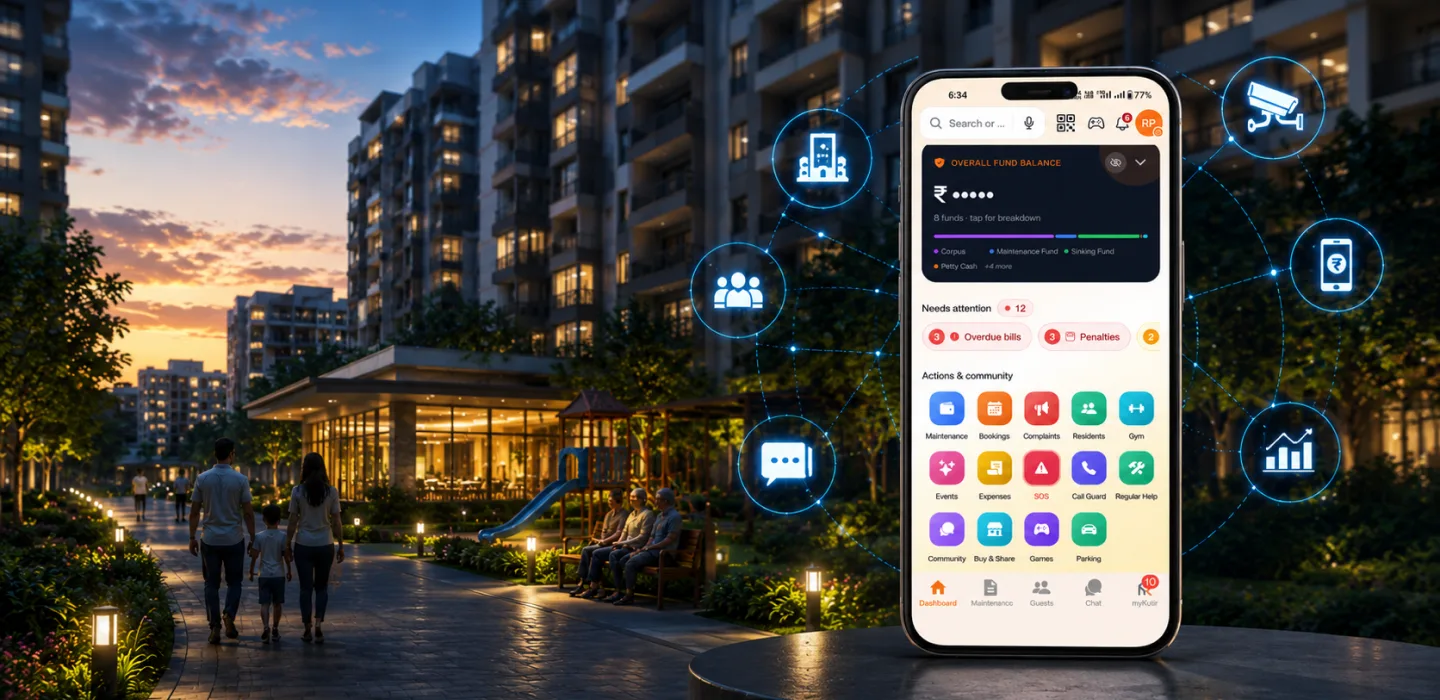
Housing societies in India are increasingly turning to technology to streamline operations and enhance community living. A community app is at the forefront of this digital transformation, becoming an indispensable tool for effective society management. A community app serves as a digital platform enabling seamless interaction and management among residents, management committees, and service providers. Its core purpose is to centralize communication and simplify administrative tasks, bringing the entire society's operations under one umbrella.
The rise of community apps is driven by several factors. Firstly, they facilitate better communication among residents and management, reducing misunderstandings and improving transparency. Unlike traditional notice boards or WhatsApp groups, a community app ensures that all relevant information is accessible to everyone in real-time. Moreover, these apps provide a structured approach to society management, digitizing key processes such as billing, complaints, and visitor management. This digitization minimizes the chances of errors and enhances efficiency, providing a more professional approach to society management.
Another significant advantage of community apps is their ability to foster engagement among residents. Features like polls, events, and forums encourage active participation from society members, creating a cohesive community environment. Residents can stay informed about what’s happening in their surroundings, contributing to a sense of belonging and shared responsibility. Importantly, these apps also offer security features like visitor management, ensuring the safety of all residents by providing a digital log of all visitors.
In essence, a community app transforms a housing society from a collection of homes into a vibrant, well-connected community. It leverages technology to resolve common administrative challenges, allowing societies to operate more smoothly and effectively. As digital solutions continue to evolve, community apps are set to become even more integral to housing society management, offering new features and capabilities to meet the ever-changing needs of residents and management alike.
Key Features of a Community App
A community app comes equipped with a host of features specifically designed to address the needs of housing societies. One of the most critical features is the billing system, which allows societies to automate and streamline the management of invoices and payments. This feature reduces the administrative burden on society committees and ensures timely collection of dues. Residents can access their billing information through the app, making the process more transparent and efficient.
Complaints management is another essential feature that allows residents to raise issues directly through the app. A dedicated channel for complaints ensures that issues are addressed promptly and systematically, without getting lost in the clutter of emails or unread messages. Management can track the status of each complaint, facilitating a structured approach to problem-solving.
Notices and announcements can be efficiently managed through the app. Rather than relying on physical notice boards or scattered group messages, a centralized notice feature ensures that all residents receive important information promptly. This not only improves communication but also ensures that everyone is on the same page regarding society rules, regulations, and upcoming events.
Visitor management is an essential security feature that enhances the safety of the society by maintaining a digital log of all visitors. Residents can pre-approve guests, ensuring a smooth entry process and providing the management with a clear overview of visitor data.
Moreover, with advancements in technology, AI-powered features are becoming an integral part of these apps. AI can assist in drafting common complaints or notices, saving time and ensuring consistency in communication. The RAG search functionality allows users to quickly and efficiently search through notices or complaints based on their status — Red for unresolved, Amber for in-progress, and Green for resolved, providing a clear overview at a glance.
For a deeper dive into these features, you can explore our dedicated sections on features and AI-platform. These features collectively create a comprehensive toolset for managing the diverse needs of housing societies, making community apps an indispensable part of modern society management.
Getting Started: Setting Up Your Community App
Setting up a community app for your housing society can seem like a daunting task, but with a structured approach, it can be a straightforward process. Here’s a step-by-step guide to help you get started:
- Identify Your Needs: Begin by understanding the specific needs of your society. This includes identifying key operational areas that would benefit from digitization, such as billing, complaints management, and visitor management.
- Choose the Right App: Select a community app that offers the features you need. Compare different options, paying close attention to user reviews, ease of use, and customer support.
- Initial Setup: Once you've chosen an app, set up the basic infrastructure. This involves registering your society on the platform and configuring the app settings according to your society’s requirements.
- Customization: Customize the app to align with your society’s branding and specific rules. This includes setting permissions, configuring notice templates, and integrating billing details.
- User Onboarding: Initiate a comprehensive onboarding process for all society members. Organize sessions or workshops to demonstrate the app's features and ensure everyone downloads and registers on the app.
- Regular Updates: Keep the app updated with the latest information and features. Encourage feedback from users to continuously improve the app's usability and functionality.
Proper planning and execution during the setup process can significantly impact the effectiveness of the community app in your society. Ensure that all stakeholders, including committee members and residents, are involved in the process to foster a sense of ownership and cooperation. As the app becomes integrated into daily operations, it will facilitate a smoother transition from traditional methods to digital management, enhancing the overall living experience in your society.
Using AI Features to Enhance Society Management
The integration of AI features in community apps is revolutionizing the way housing societies manage their daily operations. AI can significantly reduce the time and effort required for routine tasks, allowing management to focus on more strategic activities. Let's explore how AI features can enhance society management:
One of the primary AI functions is in complaint processing. Traditional methods of addressing complaints often involve manual logging and tracking, which can be time-consuming and prone to delays. AI, however, can automate the initial stages of complaint handling. It can assist residents by suggesting templates or drafts when filing complaints, ensuring consistency and clarity. This automation also extends to management, where AI can prioritize complaints based on urgency and past patterns, allowing for more effective resource allocation.
AI capabilities also extend to notice authoring. Drafting notices can be a repetitive and tedious task, especially in larger societies where multiple notices are required. AI can assist by automatically generating notice drafts based on set templates, reducing the time and effort required by committee members. This not only speeds up the process but also ensures that communication is clear and standardized.
The RAG (Red, Amber, Green) search functionality is another AI-driven feature that enhances notice and complaint management. This feature allows both residents and management to quickly search through records based on their status — unresolved (Red), in-progress (Amber), or resolved (Green). Such a visual representation makes it easier to track progress and prioritize actions.
Incorporating AI features can transform society management into a more streamlined and efficient process. By automating routine tasks, AI frees up valuable time for management committees to focus on strategic planning and community building. As AI technology continues to evolve, its potential applications in community apps are bound to expand, offering even more innovative solutions for society management challenges.
Common Mistakes to Avoid When Implementing a Community App
While community apps offer numerous benefits, improper implementation can lead to challenges and frustrations. Understanding common pitfalls can help societies avoid them and maximize the advantages of digital tools. Here are some mistakes to watch out for:
1. Inadequate Training: One of the most common mistakes is insufficient training for residents and management on how to use the app. Without proper guidance, users may struggle with the interface or fail to utilize the app's full capabilities. Arrange comprehensive training sessions and provide clear documentation to ensure all members are comfortable using the app.
2. Overlooking Customization: Each society has unique needs and preferences. Failing to customize the app to suit these specific requirements can lead to inefficiencies and dissatisfaction. Take the time to tailor the app’s features, such as notice templates and billing structures, to align with your society's practices.
3. Poor Communication: Transitioning from traditional methods to a digital app requires effective communication. Some residents may be resistant to change, so it’s important to communicate the benefits and provide ongoing support. Encourage feedback and address any concerns promptly to ensure smooth adoption.
4. Ignoring Security: With the shift to digital platforms, data security becomes a critical concern. Ensure the app complies with data protection standards and educate users on best practices for maintaining security, such as using strong passwords and keeping personal information private.
5. Underutilizing Features: Many societies fail to fully leverage all the features available in the app. Regularly review the app's functionalities and encourage residents to explore and use them. Features like visitor management, event scheduling, and polls can significantly enhance community living but are often underused.
By being aware of these common mistakes and actively working to avoid them, societies can ensure a successful transition to digital management. Leveraging the full potential of a community app not only enhances operational efficiency but also contributes to a more connected and engaged community.
Case Study: Successful Implementation of a Community App
Consider the illustrative scenario of GreenView Residency, a mid-sized housing society situated in a bustling urban area. With approximately 200 residents, the management committee at GreenView faced challenges typical of many societies: disorganized communication, delayed bill payments, and inefficient complaint handling. The decision to implement a community app transformed their management approach, leading to remarkable improvements.
Initially, GreenView's management conducted a thorough review of available community apps, selecting one that offered comprehensive billing, complaints management, and visitor tracking features. The implementation process began with setting up the app tailored to their specific needs, including customizing the user interface to reflect the society's branding and configuring billing systems to automate dues collection.
User onboarding was approached with meticulous planning. The management team organized workshops to familiarize residents with the app's functionalities, supported by comprehensive user guides. This proactive approach ensured that even those less tech-savvy were comfortable using the app, fostering widespread adoption.
Within months of implementation, GreenView observed notable changes. Billing processes became streamlined, with a marked increase in timely payments due to automated reminders and easy online payment options. Complaints were handled more efficiently, as the app allowed tracking from submission to resolution, significantly reducing resolution times.
The app also served as a central hub for all society announcements and notices, replacing the often overlooked physical notice boards. Residents reported feeling more informed and engaged, thanks to regular updates and the ability to interact with notices and participate in community polls via the app.
The success of GreenView Residency underscores the transformative impact a well-implemented community app can have. By digitizing key aspects of society management, they not only improved operational efficiency but also fostered a stronger sense of community among residents. This case illustrates how careful planning, effective training, and leveraging digital tools can lead to significant improvements in housing society management.
Comparison: Digital Tools Versus Traditional Management Methods
The shift from traditional management methods to digital tools in housing societies marks a significant advancement in operational efficiency and resident engagement. Below is a comparison table highlighting key differences between traditional methods and community apps:
| Criteria | Traditional Methods (Excel, WhatsApp) | Community Apps |
|---|---|---|
| Efficiency | Manual processes, prone to errors and delays. | Automated processes, minimizing errors and streamlining tasks. |
| Cost | Lower initial costs but higher in time and manual effort. | Initial investment in app subscription, but saves time and resources in the long run. |
| Engagement | Limited to physical meetings and scattered communications. | Centralized platform for interaction, feedback, and community building. |
| Security | Data scattered, potentially insecure. | Enhanced security with centralized, secured data storage. |
| Scalability | Challenging to scale, particularly for larger societies. | Easily scalable, accommodating growing societies and needs. |
This comparison clearly demonstrates the advantages that community apps offer over traditional methods. While initial setup may require investment, the long-term benefits in terms of time saved, efficiency gained, and improved community engagement make the switch a worthwhile consideration for any society.
Maximizing Resident Engagement Through a Community App
Boosting resident engagement is one of the key benefits of adopting a community app in housing societies. Here are several strategies to maximize engagement through these digital platforms:
1. Encourage Participation: Use the app's features such as polls, forums, and event calendars to encourage resident participation. By involving residents in decision-making processes through polls and feedback, societies can foster a sense of ownership and community.
2. Host Virtual Events: Organize virtual events and meetings through the app. These events can range from online yoga sessions to town hall meetings, providing a platform for residents to interact and engage without the constraints of physical gathering.
3. Create Interactive Content: Regularly update the app with engaging and interactive content. This could include newsletters, community challenges, or photo contests that encourage residents to participate and contribute.
4. Enhance Communication: Utilize the app's messaging and notification features to maintain regular communication with residents. Keeping everyone informed about society activities and issues increases transparency and trust.
5. Highlight Achievements: Use the app to celebrate individual and community achievements. Recognizing residents' contributions and successes fosters a positive community spirit.
Community apps provide myriad opportunities to enhance resident engagement, making the society a more vibrant and cohesive community. By leveraging the app's features creatively, societies can transform passive residents into active participants, strengthening community ties and improving the overall living experience.
Frequently Asked Questions About Community Apps
What is a community app for housing societies?
A community app for housing societies is a digital platform designed to streamline management and enhance communication within a housing society. It serves as a centralized hub where residents, management committees, and service providers can interact smoothly. Key functions include billing automation, complaints management, visitor tracking, and event scheduling, among others. By consolidating various operational tasks, a community app improves efficiency, enhances security, and fosters a more engaged community.
How do I set up a community app for my society?
Setting up a community app involves several steps. First, identify the specific needs and features required by your society. Once you select a suitable app, proceed to set it up by registering your society, configuring settings, and customizing it to align with your society’s preferences. The next step is onboarding residents, which involves educating them about the app’s features and ensuring they register. Regular updates and feedback loops are essential to maintaining engagement and improving the user experience over time.
What AI features are available in a community app?
AI features in a community app can significantly enhance management by automating routine tasks. Common AI capabilities include automated drafting of complaints and notices, which saves time and ensures consistency. AI can prioritize tasks based on urgency and past patterns, optimizing resource allocation. Additionally, the RAG search functionality allows easy tracking of notices and complaints by status, providing quick visual insights into their progression. These features contribute to a more efficient and effective management process.
How does a community app improve engagement?
A community app improves engagement by providing a centralized platform for interaction among residents and management. Features like polls, forums, and event calendars invite active participation, while regular updates and notifications keep residents informed and involved. Through virtual events and interactive content, community apps create opportunities for residents to interact, share opinions, and contribute to decision-making, fostering a stronger sense of community and connectivity.
What are the common mistakes when using a community app?
Common mistakes when implementing a community app include inadequate training, which can lead to confusion and underutilization; poor communication about the app’s benefits and usage; neglecting customization to fit specific society needs; and overlooking security measures. Additionally, failing to utilize the app’s full range of features can limit its effectiveness. By addressing these issues proactively, societies can ensure a smoother adoption process and maximize the benefits of their community app.
How does a community app compare to traditional methods?
Compared to traditional methods like Excel sheets and WhatsApp groups, community apps offer greater efficiency, transparency, and scalability. They automate routine tasks, reduce errors, and centralize communication, making management more streamlined. While traditional methods may have lower initial costs, they often require more manual effort and are less secure. Community apps typically involve an upfront investment but provide long-term savings in time and resources, as well as enhanced security and engagement opportunities.
Can a community app handle billing and notices?
Yes, a community app is equipped to handle billing and notices efficiently. The billing feature automates invoice generation, payment tracking, and reminders, ensuring timely collection of dues and reducing administrative workload. Notices can be created and distributed through the app, ensuring all residents receive updates promptly. This centralized approach not only improves operational efficiency but also enhances transparency and accountability within the society.
Key Takeaways
- Community apps are essential for modern housing society management, enhancing efficiency and resident engagement.
- Key features include automated billing, complaints management, visitor tracking, and AI-powered tools.
- Proper setup and user onboarding are critical for successful community app implementation.
- AI features streamline tasks, optimize resources, and improve management processes.
- Avoid common pitfalls such as inadequate training and underutilization of app features.
- Digital tools offer significant advantages over traditional methods in terms of efficiency, cost, and engagement.
- Community apps provide opportunities for boosting resident participation and building a cohesive society.