The Beginner's Guide to Digital Gate Pass Systems in Housing Societies
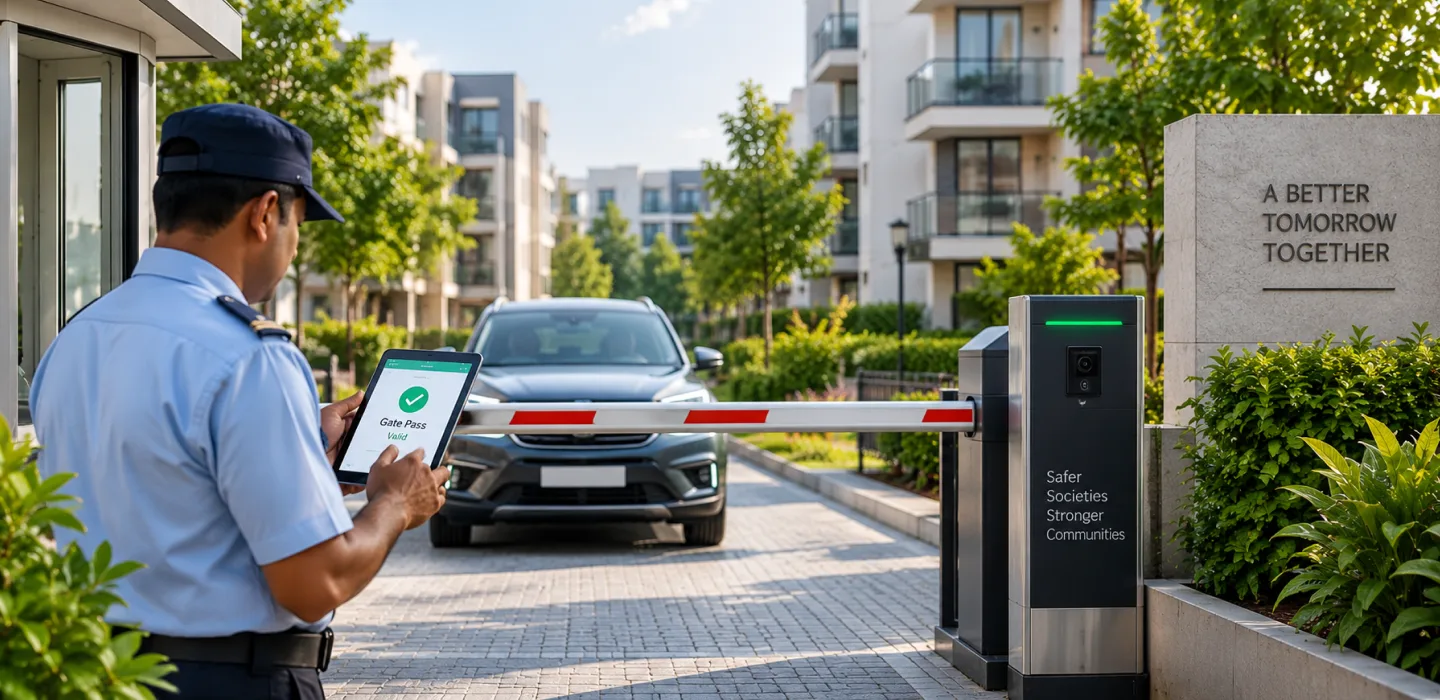
By MyKutir Editorial Team — 2026-08-14
Discover how digital gate pass systems streamline visitor management in housing societies, enhancing security and efficiency.
In a world where technology rapidly reshapes daily routines, housing societies are not left behind. The advent of digital gate pass systems is revolutionizing how societies manage visitor access, offering a modern solution that enhances both security and operational efficiency. These systems provide a digital method of logging and controlling the entry and exit of visitors, contractors, and delivery personnel. Unlike traditional methods that rely on paper logs or manual checks, digital systems use advanced technology to streamline the process, reducing errors and saving time.
The importance of digital gate pass systems is underscored by their ability to integrate seamlessly with comprehensive visitor management solutions. This integration allows housing societies to maintain a high level of security by keeping detailed records of who enters and exits the premises. These systems also boost operational efficiency, as they eliminate the need for manual record-keeping and reduce the workload of security personnel. In an era where data is crucial, the ability to access real-time visitor information is invaluable for managing housing societies effectively.
Understanding Digital Gate Pass Systems
Digital gate pass systems are designed to modernize the way housing societies manage visitors. At their core, these systems automate the entire process of visitor entry and exit, replacing cumbersome paper logs with efficient digital records. The primary purpose of these systems is to enhance security by ensuring that only authorized individuals are granted access to the premises. They achieve this by providing a streamlined way to document and monitor visitors in real time, significantly improving the oversight capabilities of security staff.
In addition to bolstering security, digital gate pass systems enhance operational efficiency by eliminating the need for manual processes. This reduces the administrative burden on society staff and minimizes the risk of human error. Moreover, because these systems integrate with broader visitor management solutions, they offer a holistic approach to managing the flow of people within and around housing societies. This integration ensures that all aspects of visitor management, from identification to entry and exit, are handled seamlessly and efficiently.
Digital gate pass systems are particularly valuable for housing societies looking to adopt more modern, data-driven approaches to security. By leveraging technology, these systems provide a level of control and oversight that is simply not possible with manual methods. This not only improves the safety and security of residents but also enhances the overall experience of visitors by reducing wait times and streamlining the entry process. With the ability to generate and analyze data, housing societies can continually refine their security protocols to ensure they are meeting the evolving needs of their residents.
Components of a Digital Gate Pass System
A digital gate pass system is composed of several critical components that work together to create a cohesive visitor management solution. One of the primary technologies involved is the use of QR codes. These unique digital identifiers are generated for each visitor, allowing them to be scanned quickly and efficiently at entry points. QR codes serve as a modern replacement for the traditional passbook or paper slip, facilitating a secure and traceable method of access.
Another key component is the visitor database. This centralized repository stores detailed information about each visitor, such as their name, contact information, and reason for visiting. The database allows security personnel to quickly verify the identity and purpose of each visitor, further enhancing the security measures in place. Integration with MyKutir's features, such as visitor and guard management, allows societies to manage this data effectively, ensuring that all records are accurate and up-to-date.
Mobile notifications are another integral part of digital gate pass systems. These notifications keep residents informed about visitors, allowing them to approve or deny access with a simple tap on their smartphone. This feature ensures residents are always aware of who is entering their premises, providing an additional layer of security and control. MyKutir’s solution offers a user-friendly interface for both residents and security staff, simplifying the process of managing visitor access.
The role of guard management cannot be understated. Guards are an essential part of the system, responsible for overseeing the entry and exit of visitors. Digital gate pass systems equip them with the tools needed to perform their duties efficiently, such as mobile devices to scan QR codes and access real-time visitor information. This integration ensures that guards can quickly verify the identity of each visitor, reducing the likelihood of unauthorized access and enhancing the overall security of the society.
How Digital Gate Pass Systems Work
Understanding the operational workflow of digital gate pass systems is essential for appreciating their impact on housing society management. The process begins with visitor registration, which can occur either through a resident's invitation or directly by the security personnel at the gate. Upon registration, a digital gate pass is generated, often in the form of a QR code, which is sent to the visitor's mobile device.
When the visitor arrives, they present their digital gate pass at the entry point. The security guard then scans the QR code using a handheld device or a stationary scanner. This action immediately retrieves the visitor's details from the central database, allowing the guard to verify their identity and reason for visiting. This verification is done in real time, ensuring that the information is current and accurate.
Once the visitor is authenticated, they are granted access to the premises. The system updates this entry in the visitor database, providing a real-time record of the visitor's presence on-site. This process is repeated when the visitor exits, with the QR code scanned again to log their departure. This exit scan ensures that the system maintains an up-to-date record of all visitor movements within the society.
The role of security personnel is critical in this process. While the system automates much of the administrative work, guards are responsible for the physical verification and ensure that any anomalies in the visitor's credentials are addressed promptly. The combination of digital efficiency and human oversight is what makes these systems robust and reliable. By providing real-time data and control, digital gate pass systems significantly enhance the security and management capabilities of housing societies.
Benefits of Implementing Digital Gate Pass Systems
Implementing digital gate pass systems offers numerous advantages over traditional manual methods. One of the most significant benefits is the reduction in paperwork. Manual systems often require extensive record-keeping, with paper logs that are both cumbersome and prone to human error. Digital systems eliminate the need for physical paperwork, providing an efficient, error-free way to manage visitor information.
Another key advantage is improved security. Digital gate pass systems provide real-time data that enhances the ability of security personnel to monitor and control access to the premises. This immediate access to information allows guards to quickly verify visitor credentials and make informed decisions about granting access. In contrast, manual systems can be slow and inefficient, often resulting in delays and potential security lapses.
The digital approach also offers real-time data accessibility. Society managers can access visitor logs and reports instantly, providing insights into visitor patterns and identifying any potential security concerns. This data-driven approach allows for better decision-making and more refined security protocols. Furthermore, digital systems streamline the visitor process, reducing wait times and improving the overall experience for both residents and visitors.
When comparing digital solutions with traditional paper passes or manual logs, the differences are clear. Manual systems are often time-consuming and rely heavily on the accuracy of handwritten notes, which can lead to mistakes and inefficiencies. In contrast, digital systems automate the entire process, ensuring that all information is recorded accurately and efficiently. This automated approach not only saves time but also enhances the overall security and management capabilities of housing societies.
Scenario: A Visitor's Journey Using a Digital Gate Pass
Imagine a visitor named Rajesh who has been invited to the Sagar Residency housing society by a resident for a meeting. Rajesh's journey begins when the resident sends him an invitation via the digital gate pass system. This invitation includes a QR code, which Rajesh receives on his smartphone. Excited for the meeting, he sets off for the society.
Upon arriving at the society's gate, Rajesh is greeted by a security guard equipped with a mobile device capable of scanning QR codes. Rajesh presents his smartphone, displaying the digital gate pass. The guard scans the QR code, which instantly retrieves Rajesh's information from the society's visitor database. This quick verification process confirms Rajesh's identity and the purpose of his visit, allowing the guard to grant him access seamlessly.
Once inside, Rajesh enjoys a smooth and hassle-free experience. The digital gate pass system has eliminated the need for lengthy registration at the gate, allowing him to focus on his meeting. Throughout his visit, the system maintains an up-to-date record of his presence, ensuring that the society's management has a clear picture of who is on the premises at any given time.
After the meeting concludes, Rajesh makes his way back to the gate to exit the premises. Once again, he presents his digital gate pass to the security guard, who scans the QR code to log his departure. This final step ensures that Rajesh's visit is accurately recorded in the system, providing a complete account of his journey.
This scenario illustrates the practical application and benefits of digital gate pass systems. The streamlined process not only enhances security and data accuracy but also significantly improves the visitor experience. By eliminating the need for manual processes, housing societies can provide a more efficient and welcoming environment for both residents and their guests.
Common Mistakes to Avoid
Adopting digital gate pass systems in housing societies can lead to significant improvements in security and efficiency, but it is crucial to implement these systems correctly to avoid common pitfalls. One of the most frequent mistakes is inadequate staff training. Without proper training, security personnel and administrative staff may struggle to use the system effectively, leading to errors and inefficiencies. To overcome this, housing societies should invest in comprehensive training programs that cover all aspects of the system, ensuring that all users are confident and capable.
Poor system integration is another common mistake. Digital gate pass systems should work seamlessly with existing security measures to provide a cohesive and efficient visitor management solution. Failure to integrate the systems properly can result in data silos and operational inefficiencies. Societies should collaborate with their technology partners to ensure that their digital gate pass system integrates smoothly with other security components, such as CCTV cameras and access control systems.
Another pitfall is neglecting to customize the system to meet the specific needs of the society. Each housing society is unique, with its own set of security requirements and operational challenges. A one-size-fits-all approach may not be suitable, and societies should work closely with their technology providers to tailor the system to their specific needs. This customization can include adjusting notification settings, defining access levels, and configuring data reporting features.
Finally, housing societies may underestimate the importance of regular maintenance and updates. Technology is constantly evolving, and digital gate pass systems need to be kept up-to-date to function optimally and securely. Societies should establish a regular maintenance schedule and work with their technology partners to ensure that their system is always running the latest software version, with all security patches applied promptly.
Comparison Table: Digital vs. Manual Gate Pass Systems
The choice between digital and manual gate pass systems can significantly impact the security and efficiency of housing societies. The following table highlights some of the key differences between these two approaches:
| Aspect | Digital Gate Pass System | Manual Gate Pass System |
|---|---|---|
| Security | Real-time data access, automatic record-keeping, enhanced oversight | Prone to human error, delayed information access, limited oversight |
| Efficiency | Automated processes, reduced workload, quick visitor verification | Manual data entry, time-consuming processes, potential for delays |
| Data Management | Centralized database, easily accessible reports, data-driven insights | Scattered logs, difficult reporting, limited analytical capability |
| Cost | Initial investment in technology, long-term savings on manpower and errors | Lower initial costs, ongoing expenses for manual labor and paper supplies |
| Visitor Experience | Streamlined process, reduced wait times, better communication | Longer waits, potential for miscommunication, tedious registration |
Step-by-Step Guide to Implementing a Digital Gate Pass System
Implementing a digital gate pass system in a housing society requires careful planning and execution. Here is a detailed guide to help you through the process:
- Assess Your Needs: Begin by evaluating the specific security and operational requirements of your society. Consider factors such as the volume of daily visitors, existing security measures, and any unique challenges your society faces. This assessment will help you determine the features you need in a digital gate pass system.
- Choose the Right Software: Once you understand your needs, research available digital gate pass solutions. MyKutir offers a comprehensive platform that integrates visitor and guard management features. Ensure that the software you choose is user-friendly and capable of meeting your society's requirements.
- Plan the Integration: Work with your technology partner to develop a detailed integration plan. This plan should outline how the digital gate pass system will work with your existing security measures, such as CCTV systems and access controls. Proper integration is crucial for a seamless transition.
- Train Your Staff: Comprehensive training is essential for the successful implementation of a digital gate pass system. Organize training sessions for all relevant staff members, including security personnel and administrative staff, to ensure they are comfortable using the new system.
- Implement the System: Roll out the digital gate pass system in phases, starting with a pilot program to identify and address any issues. Gather feedback from staff and residents to make necessary adjustments before a full-scale implementation.
- Monitor and Maintain: After implementation, regularly monitor the system's performance and address any issues promptly. Schedule routine maintenance and updates to keep the system running smoothly and securely.
- Review and Optimize: Periodically review the system's data and reports to identify areas for improvement. Use this information to refine your security protocols and enhance the overall effectiveness of the digital gate pass system.
Frequently Asked Questions
What is a digital gate pass system?
A digital gate pass system is a technology-driven solution designed to manage visitor entry and exit in housing societies. It replaces traditional paper-based logs with digital records, often utilizing QR codes for efficient entry verification. These systems automate the registration and tracking of visitors, enhancing security and operational efficiency by providing real-time data and reducing the potential for human error. By integrating with broader visitor management solutions, digital gate pass systems offer a modern, streamlined approach to managing visitors in residential areas.
How does a digital gate pass enhance security?
Digital gate pass systems enhance security by providing real-time access to visitor data, enabling security personnel to verify the identity and purpose of visitors quickly. The system's automated processes reduce the likelihood of errors that are common with manual entry methods. By maintaining an accurate and up-to-date visitor database, these systems ensure that only authorized individuals gain access to the premises. Additionally, features such as instant notifications to residents about visitor arrivals add an extra layer of security by keeping residents informed.
Can digital gate pass systems integrate with existing security measures?
Yes, digital gate pass systems can be integrated with existing security measures to create a comprehensive security solution. These systems are designed to work alongside other technologies, such as CCTV systems, access control systems, and alarm systems, ensuring a seamless flow of information and enhancing overall security. Integration allows for centralized monitoring and management, enabling security personnel to make data-driven decisions quickly and effectively. For housing societies looking to enhance their security infrastructure, integrating digital gate pass systems with existing measures is an excellent strategy.
What are the costs associated with digital gate pass systems?
The costs associated with digital gate pass systems can vary depending on the features and scale of the implementation. Typically, there is an initial investment in the technology and software required to set up the system. However, these systems can lead to long-term savings by reducing the need for manual labor and minimizing errors. While the upfront costs may be higher than traditional manual methods, the efficiency and security benefits often justify the investment. Societies should consider their specific needs and budget constraints when evaluating the cost of digital gate pass systems.
How secure is the data in a digital gate pass system?
Data security is a critical concern for digital gate pass systems, and reputable solutions are designed with robust security measures to protect sensitive information. These systems typically employ encryption and secure authentication protocols to safeguard data from unauthorized access. Regular software updates and maintenance are essential to maintaining data security, and housing societies should work closely with their technology providers to ensure that their systems are consistently updated with the latest security patches. By prioritizing security, digital gate pass systems can offer a highly secure way to manage visitor data.
How do visitors use digital gate passes?
Visitors use digital gate passes by receiving a unique QR code that serves as their entry ticket to the premises. This QR code is typically sent to their smartphone via email or a designated app. Upon arrival, the visitor presents the QR code to the security personnel at the gate, who scans it using a mobile device or scanner. This scan verifies the visitor's identity and purpose of visit, allowing them to gain access to the society. The exit process involves another scan to log the visitor's departure, ensuring a complete record of their visit is maintained.
What challenges might arise when implementing a digital gate pass system?
Implementing a digital gate pass system can present several challenges, including resistance to change from staff or residents accustomed to manual processes. Adequate training and clear communication about the benefits of the new system can help mitigate this resistance. Technical challenges such as integration with existing systems or ensuring robust data security can also arise. Societies should work closely with technology providers to address these challenges, ensuring that the digital gate pass system is tailored to their specific needs and operates smoothly. Additionally, regular maintenance and updates are crucial to overcoming potential technical obstacles and ensuring long-term system effectiveness.
Key Takeaways
- Digital gate pass systems enhance security and operational efficiency by automating visitor management processes.
- Key components include QR codes, visitor databases, and mobile notifications, all integrated with MyKutir's management features.
- These systems provide real-time data access and streamlined processes, offering significant advantages over manual systems.
- Proper implementation involves careful planning, staff training, and seamless integration with existing security measures.
- While initial costs can be higher, the long-term savings and improvements in security and efficiency justify the investment.