Harnessing AI for Efficient Housing Society Management
By MyKutir Editorial Team — 2026-08-11
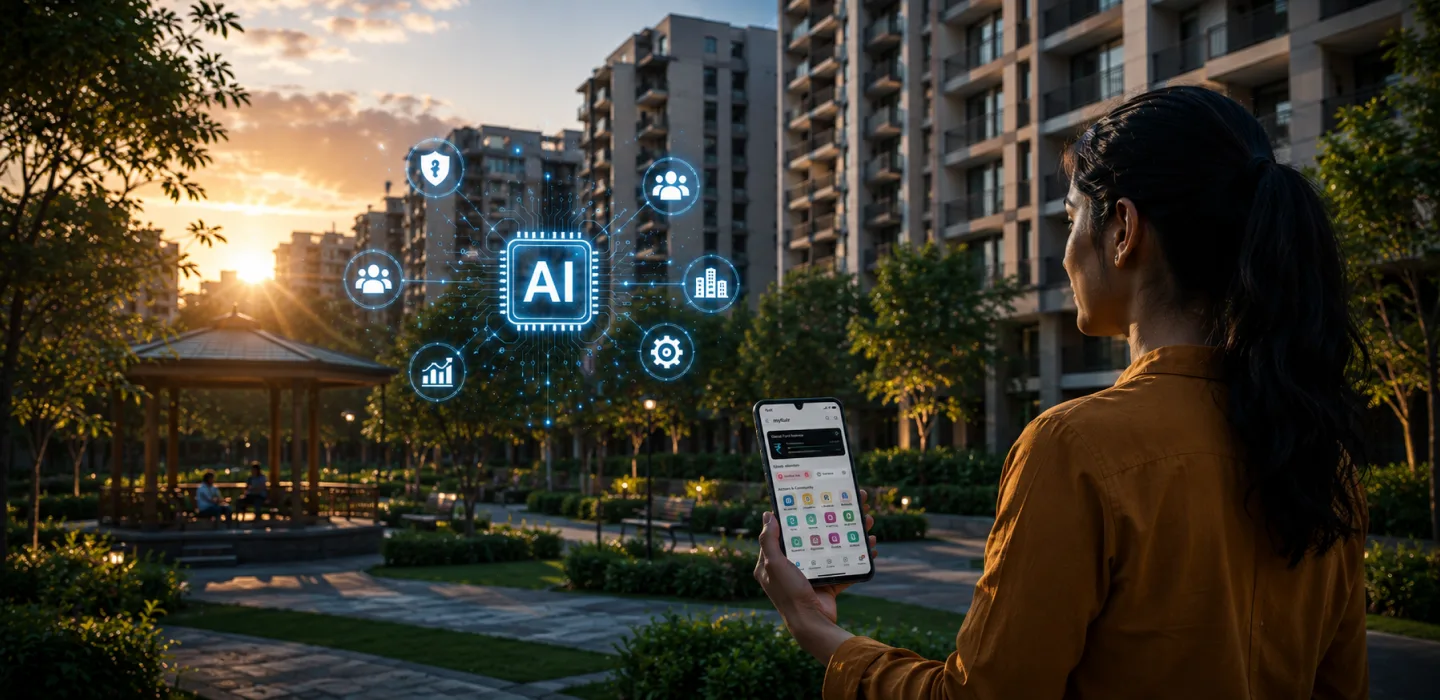
Discover how AI is transforming Indian housing society management with innovative features and automated processes.
Artificial Intelligence (AI) is revolutionizing various industries, and housing society management is no exception. As urban populations swell and housing societies grow in complexity, managing these communities efficiently becomes paramount. AI offers potent tools to streamline operations, improve communication, bolster security, and enhance overall resident satisfaction. Implementing AI in housing societies can lead to significant efficiency gains, cost savings, and a better quality of life for residents.
AI technologies such as machine learning and natural language processing are making it easier to tackle the complex tasks associated with managing housing societies. These tools can automate routine tasks like complaint handling, notice drafting, and visitor management, reducing the workload of the society's management team. AI can also provide actionable insights by analyzing data patterns, thereby aiding in decision-making processes.
Moreover, AI-driven solutions offer a level of precision and consistency that manual methods struggle to match. By minimizing human error and increasing operational efficiency, AI can set new standards for housing society management. However, the successful implementation of AI requires careful planning and execution. It is essential to balance technology's capabilities with the unique needs of each society. As we delve deeper into the specific features and applications of AI in housing societies, we will explore how these technologies can be harnessed to transform the management of residential communities.
Core Features of AI in Society Management
MyKutir offers a range of AI-driven features designed to enhance the management of housing societies. One of the key features is the complaint draft assist. This tool uses AI algorithms to automatically generate draft responses to resident complaints based on historical data and preset templates. By doing so, it significantly reduces the time and effort required by management teams to address complaints while ensuring consistency in communication.
Another standout feature is the notice authoring assist, which aids in the creation of official notices. By analyzing existing notices and understanding the context, this AI-driven tool can craft well-structured notices tailored to the specific needs and preferences of the society. This not only speeds up the notice creation process but also ensures that communications are clear and effective.
Additionally, MyKutir provides a RAG (Red-Amber-Green) search feature over notices, which categorizes notices based on urgency and importance. By leveraging AI to quickly sift through large volumes of data, the RAG search helps management teams prioritize tasks and communications more effectively. This feature is particularly useful in larger societies where information overload can be a challenge.
Collectively, these AI-driven features enhance efficiency by automating repetitive tasks, freeing up time for management teams to focus on more strategic activities. They also improve the user experience by ensuring timely and relevant communication, ultimately leading to higher resident satisfaction. By incorporating AI into their operations, housing societies can achieve a level of efficiency and responsiveness that was previously unattainable with manual methods.
Improving Communication with AI Tools
Effective communication within a housing society is critical for fostering a harmonious community environment. AI tools can significantly enhance communication by automating and streamlining processes that are typically time-consuming. One of the primary advantages of using AI in communication is the automated notice drafting feature provided by MyKutir.
Traditionally, drafting notices was a manual process requiring significant time and effort from society managers. AI tools can analyze existing data and use templates to draft accurate and tailored notices quickly. This not only reduces the workload for management teams but also ensures that notices are clear, consistent, and delivered in a timely manner.
AI also plays a pivotal role in complaint resolution. Using natural language processing, MyKutir's complaint management system can categorize and prioritize complaints based on urgency and historical data. This enables faster response times and more efficient resolution of issues, leading to improved resident satisfaction. Residents no longer need to deal with the frustration of delayed responses, as AI can facilitate quicker communication between residents and management.
Compared to traditional methods, where communication relied heavily on manual processes, AI offers a scalable and more efficient alternative. For example, manual methods may involve maintaining physical registers or using basic digital tools like email or WhatsApp groups, which can be prone to errors or missed messages. In contrast, AI-driven systems ensure that all communications are tracked, prioritized, and responded to effectively, reducing the chances of miscommunication.
Ultimately, the integration of AI tools in communication processes within housing societies can lead to more engaged communities and improved relationships between residents and management. By automating routine communication tasks, societies can ensure that important information reaches residents promptly and accurately, contributing to a more harmonious living environment.
AI-Driven Security and Visitor Management
In the realm of housing society management, security is a top priority. AI-driven solutions can significantly enhance security measures, making societies safer and more secure environments for residents. MyKutir offers advanced features such as face-recognition attendance and visitor management solutions that leverage AI technology to provide superior security compared to traditional methods.
Face-recognition attendance systems use AI algorithms to verify identities based on facial features. This technology can be integrated into entry and exit points of a society, ensuring that only authorized individuals gain access. Unlike manual methods, which rely on security personnel to manually verify identities, face-recognition systems provide a faster and more accurate alternative, reducing the risk of human error or unauthorized access.
Visitor management is another critical area where AI can make a significant impact. Traditional visitor management practices often involve maintaining physical registers, which can be cumbersome and error-prone. AI solutions streamline this process by automatically logging visitor details, generating visitor passes, and even notifying residents of a visitor's arrival. This not only enhances security but also provides a better experience for residents and their guests.
When comparing digital and manual security practices, AI-driven systems offer several advantages. For instance, they provide real-time monitoring and analytics, enabling management to identify and respond to security threats more quickly. In contrast, manual methods may involve time-consuming and less reliable record-keeping, leading to delayed responses in critical situations.
Moreover, AI-driven security solutions are scalable and can adapt to the specific needs of a housing society. Whether it's monitoring entry points, managing visitor access, or providing real-time alerts, AI systems offer a level of flexibility and reliability that manual methods cannot match. By implementing AI-driven security measures, housing societies can ensure a higher standard of safety and peace of mind for their residents.
Case Study: AI in Action in a Housing Society
Consider a hypothetical housing society, Green Acres, that has recently implemented MyKutir's AI-driven solutions to enhance its management processes. Before the integration, Green Acres faced numerous challenges in managing communication, security, and complaint resolution, which often led to resident dissatisfaction.
One of the primary issues was the delay in addressing resident complaints. The manual system required residents to fill out complaint forms, which were then processed by the management team in the order received. This often resulted in a backlog, with many residents waiting weeks for a resolution. By deploying MyKutir's complaint draft assist, Green Acres was able to automate the initial response process, significantly reducing response times and improving resident satisfaction.
Another challenge was ensuring effective communication between the management and residents. Previously, notices were manually drafted and distributed, leading to inconsistencies and delays. With MyKutir's notice authoring assist, Green Acres was able to automate the notice creation process, ensuring timely and consistent communication with residents.
In terms of security, Green Acres faced difficulties in managing visitor access, relying on manual registers and security personnel to verify identities. By implementing MyKutir's face-recognition attendance and visitor management system, the society improved its security measures, providing a safer environment for residents while reducing the workload of the security staff.
The implementation of AI-driven solutions at Green Acres demonstrates the transformative potential of AI in housing society management. By automating routine tasks, enhancing communication, and improving security, MyKutir helped the society overcome its challenges and achieve a higher standard of living for its residents. This case study illustrates how housing societies can leverage AI technology to optimize their management processes and provide a better experience for residents.
Common Mistakes in Implementing AI Solutions
While AI offers numerous benefits for housing society management, its implementation is not without challenges. Societies often make common mistakes that can hinder the successful integration of AI solutions. By identifying and addressing these pitfalls, societies can maximize the potential of AI technology.
One common mistake is underestimating the training needs required for effective AI implementation. AI-driven systems often require users to learn new processes and technologies. Without adequate training, management teams and residents may struggle to adapt, leading to inefficiencies and reduced satisfaction. It is crucial to provide comprehensive training and support to ensure a smooth transition to AI-driven management.
Another mistake is ignoring data privacy and security concerns. AI systems rely on large amounts of data to function effectively, and housing societies must ensure that this data is collected, stored, and processed securely. Failing to address data privacy issues can lead to regulatory non-compliance and erode trust among residents. It is essential to implement robust data protection measures in line with applicable laws and guidelines.
Additionally, societies may underestimate the importance of customization. Each housing society has unique needs and challenges, and a one-size-fits-all approach to AI implementation is unlikely to be effective. Customizing AI solutions to fit the specific requirements of a society can ensure that the technology delivers maximum value.
Finally, societies may overlook the need for continuous monitoring and improvement. AI systems must be regularly evaluated and updated to remain effective. By setting up mechanisms for feedback and continuous improvement, societies can ensure that their AI solutions continue to meet their evolving needs.
By being aware of these common mistakes and taking proactive steps to address them, housing societies can successfully implement AI solutions and reap the full benefits of this transformative technology.
Comparison: Manual vs. AI-Enhanced Management
The transition from manual to AI-enhanced management in housing societies offers significant advantages, but it's essential to understand the differences between these approaches. The following table compares key aspects of manual and AI-enhanced management processes:
| Aspect | Manual Management | AI-Enhanced Management |
|---|---|---|
| Efficiency | Time-consuming, prone to errors | Automated, faster, reduces errors |
| Accuracy | Dependent on human input, potential for miscommunication | Consistent, uses data analysis for accuracy |
| Cost-Effectiveness | Higher labor costs, less scalable | Reduces labor costs, scalable |
| Security | Manual checks, less reliable | Automated face-recognition, real-time monitoring |
| Communication | Manual notices, potential delays | Automated drafting, timely delivery |
AI-enhanced management offers clear advantages in terms of efficiency and accuracy. By automating routine tasks, societies can reduce the time and effort required for management while minimizing errors. This leads to significant cost savings, as AI systems can handle tasks that would otherwise require additional human resources.
In terms of security, AI technologies provide more reliable and scalable solutions. Automated face-recognition systems and real-time monitoring offer a level of security that manual methods struggle to match. Similarly, AI-driven communication tools ensure that notices are delivered promptly and accurately, reducing the potential for miscommunication.
While the initial investment in AI technologies may be higher than traditional methods, the long-term benefits in terms of efficiency, accuracy, and cost-effectiveness make AI-enhanced management a compelling choice for housing societies. By understanding the key differences between manual and AI-enhanced management, societies can make informed decisions about the best approach for their needs.
Step-by-Step Guide to Adopting AI in Housing Societies
For housing societies looking to adopt AI-driven management solutions, following a structured approach can facilitate a successful transition. This step-by-step guide outlines key considerations and actions to take when implementing AI technologies using MyKutir.
Step 1: Assess Needs and Objectives
Begin by identifying the specific needs and objectives of the society. This involves evaluating current management processes, identifying pain points, and defining the goals you want to achieve with AI. Understanding these factors will help inform the selection of appropriate AI features.
Step 2: Select AI Features
Based on the assessment, select the AI features that best align with your objectives. MyKutir offers a range of features, including complaint management, notice drafting, and visitor management. Consider which features will provide the most value and address your society's unique challenges.
Step 3: Plan the Implementation
Develop a detailed implementation plan that outlines the steps required to integrate AI solutions into existing processes. This plan should include timelines, resource allocation, and risk management strategies. Consider involving key stakeholders, such as management teams and residents, in the planning process to ensure buy-in and support.
Step 4: Provide Training
Training is critical for a successful transition to AI-driven management. Ensure that management teams and residents receive comprehensive training on how to use the new AI features. This will help address any concerns and ensure that users are comfortable with the new technology.
Step 5: Monitor and Evaluate
Once the AI solutions are implemented, establish mechanisms for monitoring their performance and gathering feedback from users. Regularly evaluate the effectiveness of the AI features and make adjustments as necessary to ensure they continue to meet the society's needs.
Step 6: Continuous Improvement
AI technologies are continually evolving, and it's important to stay informed about new developments and updates. Implement a process for continuous improvement, incorporating feedback and adapting AI solutions as needed to maximize their benefits.
By following these steps, housing societies can successfully adopt AI-driven management solutions and unlock the potential of this transformative technology. With careful planning and execution, AI can deliver significant improvements in efficiency, communication, and security, ultimately enhancing the quality of life for residents.
FAQs on AI in Housing Society Management
What is AI's role in housing society management?
AI plays a crucial role in housing society management by automating routine tasks, improving communication, and enhancing security. AI technologies like machine learning and natural language processing enable societies to manage complex processes more efficiently and accurately. By reducing the workload on management teams, AI allows them to focus on strategic activities, improving the overall effectiveness of society management.
How does MyKutir utilize AI for complaint management?
MyKutir utilizes AI for complaint management through its complaint draft assist feature. This tool leverages AI algorithms to automatically generate draft responses to resident complaints, based on historical data and preset templates. By automating the initial response process, MyKutir significantly reduces the time and effort required to address complaints, improving response times and resident satisfaction.
What security features does AI enable in housing societies?
AI enables several advanced security features in housing societies, including face-recognition attendance systems and automated visitor management. Face-recognition systems use AI algorithms to verify identities, ensuring that only authorized individuals gain access to the society. AI-driven visitor management solutions streamline the process of logging visitor details and notifying residents of arrivals, enhancing overall security and efficiency.
How can AI improve communication within a society?
AI can improve communication within a society by automating and streamlining processes such as notice drafting and complaint resolution. AI tools can quickly generate clear and accurate notices, ensuring timely delivery to residents. In complaint resolution, AI categorizes and prioritizes complaints for faster response times. By reducing the workload on management teams, AI ensures that important information reaches residents promptly and accurately.
What are the common challenges in implementing AI solutions?
Common challenges in implementing AI solutions include underestimating training needs, ignoring data privacy concerns, and overlooking the need for customization. Societies must provide adequate training for users to adapt to new processes, ensure robust data protection measures, and customize AI solutions to fit their unique requirements. Addressing these challenges is essential for successful AI implementation.
How does AI compare to traditional management methods?
AI offers several advantages over traditional management methods, including increased efficiency, accuracy, and cost-effectiveness. AI systems automate routine tasks, reducing the time and effort required for management, and minimizing human errors. Additionally, AI provides advanced security features and improves communication processes, offering a scalable and reliable alternative to manual methods.
What steps should societies take to adopt AI technologies?
To adopt AI technologies, societies should follow a structured approach that includes assessing needs, selecting AI features, planning the implementation, providing training, and monitoring performance. Continuous improvement is also essential to maximize the benefits of AI solutions. By taking these steps, societies can successfully integrate AI technologies and enhance their management processes.
Key Takeaways
- AI in housing societies can transform management processes, enhancing efficiency, communication, and security.
- MyKutir offers AI-driven features like complaint draft assist, notice authoring assist, and face-recognition security.
- AI improves communication by automating notice drafting and complaint resolution, leading to better resident satisfaction.
- AI-driven security solutions provide real-time monitoring and more reliable visitor management compared to manual methods.
- Successful AI implementation requires addressing common challenges such as training needs and data privacy concerns.
- AI offers clear advantages over traditional management, reducing costs and increasing accuracy and scalability.
- Following a structured approach to AI adoption can help societies unlock the full potential of this transformative technology.